Beloit Pest Control Resource Hub for Rock County WI
Understanding Beloit's Unique Pest Challenges
Beloit's location along the Rock River creates specific pest control challenges that homeowners throughout Rock County encounter year-round. The combination of older housing stock, diverse weather patterns, and proximity to agricultural areas means you'll face different pest pressures than communities elsewhere in Wisconsin. Your home's age, foundation type, and surrounding landscape all influence which pests find your property attractive.
The city's historic neighborhoods feature homes built between 1900 and 1950, creating ideal conditions for carpenter ants seeking moisture-damaged wood. These structures often have fieldstone foundations, crawl spaces, and wood framing that provides multiple entry points for rodents and insects. Meanwhile, newer developments on Beloit's expanding edges face different challenges from field mice and occasional agricultural pests moving in from surrounding farmland.
Rock County's continental climate brings freeze-thaw cycles that create foundation cracks and entry points. Spring flooding along the Rock River increases moisture levels in basements and crawl spaces, attracting everything from silverfish to house centipedes. Understanding these local factors helps you implement more effective prevention strategies throughout the year.
Seasonal Pest Activity Patterns in Rock County
Your pest control approach should shift with Wisconsin's distinct seasons. Spring brings carpenter ant swarms as colonies emerge from winter dormancy. These large black ants often indicate moisture issues in your home's structure, particularly common in Beloit's older properties where wood sills meet foundation stones.
Summer heat drives rodents indoors seeking cooler temperatures and water sources. House mice become particularly active in July and August, entering through gaps around utility lines and foundation cracks. Box elder bugs congregate on south-facing walls during warm afternoons, preparing for their eventual indoor migration.
Fall pest pressure intensifies dramatically as temperatures drop. September through November represents peak invasion season when mice, cluster flies, and Asian lady beetles seek overwintering sites. Your attic spaces, wall voids, and basement areas become prime real estate for these unwanted tenants.
Winter pest activity doesn't cease entirely. Indoor ant colonies remain active in heated spaces, and stored product pests like grain beetles can infest pantries year-round. Effective ant control and rodent exclusion require understanding these seasonal patterns to implement preventive measures at optimal times.
Common Pest Species in Beloit Area Homes
Carpenter ants represent the most structurally concerning pest in Rock County homes. These large ants don't eat wood but excavate galleries in moisture-softened lumber. Look for fine sawdust piles near baseboards, particularly in bathrooms, kitchens, and basements where plumbing leaks create ideal conditions.
House mice remain the most frequent mammalian pest, capable of squeezing through openings smaller than a dime. Their rapid reproduction means small problems become large infestations quickly. Fresh droppings near food sources, gnaw marks on packaging, and scratching sounds in walls indicate active populations.
Pavement ants build colonies under concrete slabs and sidewalks throughout Beloit's residential areas. These small brown ants enter homes seeking food and moisture, following invisible chemical trails that lead entire colonies to your kitchen counters.
Cluster flies overwinter in attic spaces and wall voids, emerging on warm winter days to cluster around windows. Unlike house flies, these larger flies don't breed indoors but use your home purely for shelter during cold months.
Box elder bugs congregate in large numbers on building exteriors during fall, eventually finding entry points into heated spaces. While primarily nuisance pests, their sheer numbers and staining potential make prevention crucial.
Prevention Strategies for Rock County Properties
Exterior exclusion forms your first defense line. Walk your property's perimeter monthly, sealing cracks in foundation walls with appropriate caulk or expandable foam. Pay special attention to areas where utilities enter your home, as these gaps provide highways for pest entry.
Moisture control proves essential in Beloit's humid climate. Repair leaking pipes immediately, improve basement ventilation, and ensure proper drainage around your foundation. Carpenter ants and many other pests require moisture to thrive, making dry conditions your ally.
Landscape management affects pest pressure significantly. Trim tree branches away from your roofline, eliminate brush piles near structures, and maintain a vegetation-free zone around your foundation perimeter. These simple modifications remove pest highways and harborage areas.
Indoor sanitation practices directly impact pest attraction levels. Store food in sealed containers, clean up crumbs promptly, and eliminate water sources like dripping faucets or pet water bowls left out overnight. Consistent cleanliness makes your home less appealing to invading pests.
Inspection Techniques for Early Detection
Regular self-inspections help identify pest issues before they become established infestations. Start in your basement, examining foundation walls for cracks, moisture stains, or signs of pest activity. Use a flashlight to check behind stored items and in corner areas where pests often hide.
Kitchen inspections should focus on areas around appliances, under sinks, and inside pantries. Look for droppings, gnaw marks, or live insects during evening hours when many pests are most active. Check expiration dates on stored foods and inspect packaging for pest damage.
Attic spaces require seasonal attention, particularly before winter when overwintering pests seek shelter. Look for entry points around roof penetrations, check insulation for pest tunnels, and watch for staining around potential access areas.
Exterior inspections should cover your home's entire perimeter, noting vegetation growth patterns, drainage issues, and structural changes that might create new pest entry opportunities. Document problem areas with photos to track changes over time.
Treatment Approaches for Beloit Homeowners
Integrated pest management combines multiple control strategies for maximum effectiveness. Rather than relying solely on pesticide applications, successful programs incorporate exclusion, sanitation, monitoring, and targeted treatments when necessary.
Bait stations provide effective rodent control while keeping toxic materials away from children and pets. Place stations along walls where mice travel, checking and refreshing baits regularly. Monitor consumption patterns to gauge treatment effectiveness.
Crack and crevice treatments target specific pest harborage areas without broadcast applications. Focus treatments on baseboards, around pipe penetrations, and other areas where pests hide during daylight hours.
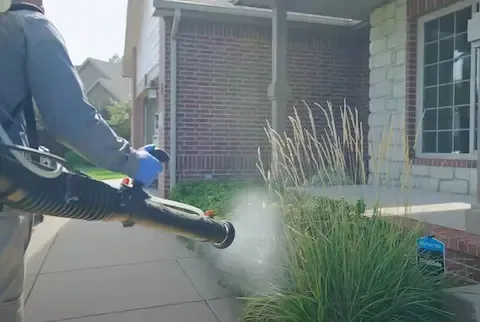
Perimeter treatments create protective barriers around your home's exterior. Apply residual insecticides to foundation walls, door frames, and window sills during spring and fall when pest pressure peaks. Always follow label directions for safe application practices.
When Professional Help Becomes Necessary
Some pest situations exceed do-it-yourself capabilities and require professional expertise. Carpenter ant infestations often indicate underlying moisture problems that need comprehensive evaluation and treatment. These structural pests can cause significant damage if not properly addressed.
Large rodent populations multiply faster than homeowner efforts can control them. Professional pest managers use specialized equipment, proven baiting strategies, and follow-up protocols that ensure complete population elimination.
Overwintering pest invasions can overwhelm individual treatment efforts. When hundreds of cluster flies or Asian lady beetles enter your home simultaneously, professional-grade equipment and products provide more effective solutions than retail options.
Health concerns make professional treatment advisable in certain situations. Homes with elderly residents, young children, or individuals with compromised immune systems benefit from expert knowledge about safe, effective treatment protocols.
For comprehensive information about identifying and managing various pest species, consult resources like common household pests in Beloit WI which provides detailed identification guides and treatment recommendations.
Building Long-Term Pest Resistance
Successful pest management requires consistent effort rather than reactive treatments. Develop monthly inspection routines, seasonal prevention activities, and annual maintenance schedules that address pest conducive conditions before problems develop.
Documentation helps identify patterns and evaluate program effectiveness. Keep records of pest sightings, treatment activities, and environmental changes that might affect pest pressure. This information proves valuable for adjusting strategies over time.
Community awareness benefits everyone in Rock County neighborhoods. Share information about pest activity patterns with neighbors, coordinate treatment timing for maximum effectiveness, and report unusual pest issues to local authorities when appropriate.
Property maintenance investments pay dividends in reduced pest pressure. Regular roof repairs, foundation sealing, and landscape management create less favorable conditions for pest establishment. These proactive measures cost less than reactive treatments and provide lasting benefits.
Education remains your most powerful tool for preventing pest problems. Understanding local pest biology, seasonal activity patterns, and effective prevention strategies enables you to maintain a comfortable, pest-free living environment throughout the year. Beloit's unique challenges require informed responses, but with proper knowledge and consistent effort, you can successfully protect your Rock County home from unwanted invaders.
For a closer look at what drives spring ant activity in local kitchens, read our guide to spring ants in Beloit homes.
