Rock River Moisture Pests in Beloit Riverside Homes
Properties along the Rock River in Beloit face unique moisture challenges that create ideal conditions for specific pest species. The river's proximity to residential areas, combined with Wisconsin's humidity patterns, establishes microclimates around homes that attract earwigs, silverfish, moisture ants, and other water-seeking insects. Understanding which pests emerge from these conditions and how to address moisture entry points helps homeowners maintain comfortable, pest-free living spaces year-round.
Rock River's Impact on Local Moisture Levels
The Rock River creates elevated humidity zones extending several blocks inland from its banks in Beloit. Morning fog, seasonal flooding patterns, and groundwater saturation contribute to consistently higher moisture levels in riverside neighborhoods. Homes in areas like Riverside Park, the historic downtown district near the river, and residential streets within a quarter-mile of the water experience these effects most intensely.
Basement foundations in these areas often show signs of moisture intrusion through small cracks, window wells, or areas where the foundation meets the soil. Even minimal water penetration creates the humid microclimates that moisture pests require for survival and reproduction. Professional pest control services recognize these river-specific moisture patterns when developing treatment and prevention strategies.
Primary Moisture Pest Species in Riverside Beloit Homes
Earwigs represent the most common moisture pest affecting Rock River area homes. These reddish-brown insects with distinctive pincers seek out damp basements, crawl spaces, and areas around water heaters or laundry facilities. They enter through foundation cracks, basement window gaps, or door thresholds where moisture has created entry opportunities.
Silverfish thrive in the humid conditions near the river, particularly in finished basements with carpeting or stored papers and fabrics. These wingless, silver-scaled insects move quickly when disturbed and feed on starches found in book bindings, wallpaper paste, and stored clothing. They require consistent humidity above 75% to survive, making riverside homes ideal habitat.
Moisture ants, including small black garden ants and pavement ants, establish colonies in areas where water has softened wood or created ideal nesting conditions. Unlike other ant species that primarily seek food sources, moisture ants are drawn specifically to areas with water damage or high humidity levels around foundations.
Since chronic moisture is the single biggest draw for wood-destroying insects, a termite inspection in Beloit is worth scheduling for any home near the river.
Seasonal Moisture Pest Patterns
Spring snowmelt and Rock River flooding create peak moisture conditions that drive pest activity in Beloit riverside homes. As temperatures warm in March and April, overwintering moisture pests become active while new populations establish themselves in areas where winter moisture has accumulated.
Summer humidity combines with river proximity to maintain ideal conditions for continued pest reproduction. Air conditioning systems that create condensation, combined with natural river moisture, can sustain pest populations throughout the warm months if moisture sources aren't addressed.
Fall preparation becomes critical as pests seek overwintering sites in basements and crawl spaces. The combination of cooling temperatures and maintained moisture levels from river proximity makes Beloit homes particularly attractive shelter during autumn months.
Common Moisture Entry Points and Pest Access
Foundation settling near the Rock River creates small cracks that allow both moisture infiltration and pest entry. The clay soils common in riverside Beloit shift with seasonal moisture changes, creating new gaps in basement walls or around utility penetrations that require regular inspection and sealing.
Basement window wells collect moisture from both precipitation and river humidity, creating perfect moisture pest habitat. Poorly fitted window wells or those lacking proper drainage become staging areas where earwigs, silverfish, and ants establish populations before moving into the home interior.
Crawl space vents designed for moisture control can become pest entry points when screens become damaged or when humidity levels exceed the system's capacity to maintain dry conditions. Properties built before modern moisture control standards face particular challenges in these areas.
Identifying Moisture-Related Pest Problems
Early detection of moisture pest issues helps prevent established infestations that become more difficult to resolve. Homeowners should monitor for earwig activity around basement stairs, laundry areas, and anywhere moisture accumulates. These pests are most active at night but leave behind small black droppings and damage to soft materials.
Silverfish leave behind yellow stains, scales, and small holes in papers, fabrics, or wallpaper. Finding these insects in bathrooms, basements, or storage areas indicates both their presence and underlying moisture conditions that support them. Their preference for dark, humid spaces means infestations can develop unnoticed until populations become substantial.
Moisture ant trails leading to water sources, small piles of sawdust-like material, or ants emerging from wall cracks indicate colonies that have established themselves in areas with consistent moisture access. Unlike typical ant problems that center around food sources, moisture ant activity focuses specifically on areas with water or high humidity.
Professional Assessment and Treatment Approaches
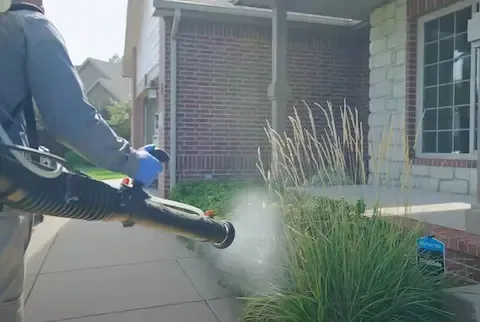
Effective moisture pest control in riverside Beloit homes requires addressing both the pest populations and underlying moisture conditions. Professional treatments target active infestations while identifying and recommending solutions for moisture sources that sustain these pest problems long-term.
Integrated moisture management combines pest treatments with recommendations for improved drainage, foundation sealing, and humidity control. This approach recognizes that Rock River proximity creates ongoing moisture challenges that require both immediate pest control and environmental modifications to prevent recurring issues.
Regular monitoring becomes essential for properties near the Rock River due to seasonal moisture variations and the ongoing potential for new pest establishment. Learning about our local pest control helps homeowners understand comprehensive approaches to managing these river-specific challenges.
Prevention Strategies for Riverside Properties
Moisture control forms the foundation of effective pest prevention in Rock River area homes. Ensuring proper drainage around foundations, maintaining functional guttering, and addressing any water intrusion points reduces the humid conditions that attract moisture pests. Regular basement and crawl space inspections help identify developing moisture issues before they create pest habitat.
Environmental modifications specific to riverside properties include improving ventilation in basements and crawl spaces, using dehumidifiers during high-humidity periods, and ensuring proper grading directs water away from foundations. These approaches address the unique moisture challenges created by Rock River proximity while making homes less attractive to moisture-seeking pests. Interested in learning more about the effects of agriculture pests on residential properties - read the article here.
