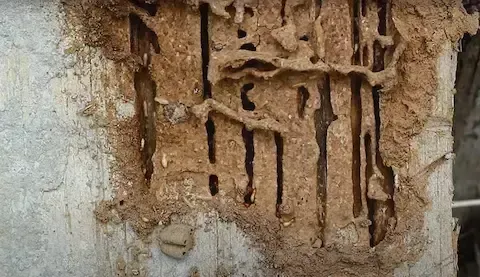
Spring Termite Swarms in Rock County and Beloit Homes
Understanding Spring Termite Swarms in Rock County
Spring termite swarms in Rock County and Beloit typically begin in late March and continue through early June, coinciding with warmer temperatures and increased moisture levels. These reproductive flights represent one of the most visible signs of established termite colonies beneath your property. When you spot winged termites emerging from cracks in your foundation, around window frames, or near wooden structures, you're witnessing a critical moment that demands immediate attention.
Subterranean termites, the primary species affecting homes in southern Wisconsin, require specific conditions to trigger their swarming behavior. Temperature readings consistently above 70 degrees Fahrenheit, combined with recent rainfall or high humidity, create the perfect storm for mass emergence events. Understanding these patterns helps you anticipate when your property might be most vulnerable to new infestations or when existing colonies are expanding their reach.
Identifying Termite Swarmers vs. Flying Ants
Distinguishing between termite swarmers and flying ants prevents unnecessary panic while ensuring you don't overlook a genuine threat. Termite swarmers possess straight, beaded antennae and four wings of equal length that extend well beyond their body. Their waist appears thick and uniform, lacking the pronounced constriction characteristic of ants. The wings often appear translucent with a slight milky quality, and swarmers typically measure between one-quarter and one-half inch in length.
Flying ants, by contrast, display elbowed antennae, front wings longer than rear wings, and a distinctly pinched waist. Their coloration tends toward darker browns or blacks, while termite swarmers often appear lighter, ranging from pale yellow to dark brown. When you discover discarded wings near windowsills, door frames, or basement areas, this indicates swarmers have successfully entered your home and shed their wings to begin establishing new colonies.
The timing of emergence also provides clues to species identification. Carpenter ant swarms typically occur later in spring and early summer, while termite swarms concentrate in the March through May timeframe in Rock County. If you're uncertain about the identification, collect several specimens in a sealed container for professional examination through termite inspection services. Because a spring swarm usually means an established colony, a prompt termite inspection in Beloit is the recommended follow-up.
Common Emergence Points Around Beloit Properties
Termite swarmers emerge from established colonies through specific access points that reveal the extent of existing infestations. Foundation cracks, particularly those near soil contact points, serve as primary exit routes for reproductive termites. These cracks may appear minimal on the surface but often connect to extensive tunnel systems running beneath your home's concrete slab or foundation walls.
Basement areas present multiple emergence opportunities, especially around utility penetrations, floor drains, and areas where wooden structural elements contact concrete surfaces. Swarmers frequently appear near furnaces, water heaters, and laundry areas where moisture levels remain elevated throughout winter months. Window wells, particularly those with wooden frames or inadequate drainage, create ideal conditions for both colony establishment and swarmer emergence.
Outdoor emergence points include areas around deck attachments, porch supports, and landscape features that maintain soil contact with wooden structures. Tree stumps, firewood piles, and decorative wooden elements positioned close to your home's foundation provide stepping stones for subterranean termites to access your property's structural components.
Seasonal Timing and Weather Conditions
Rock County's spring weather patterns directly influence termite swarming intensity and duration. Late winter snowmelt increases soil moisture levels, while March and April temperature fluctuations create the thermal triggers necessary for reproductive termite development. Swarms typically occur on warm, humid days following rain events, when barometric pressure changes signal optimal conditions for flight and mating.
Morning hours between 10 AM and 2 PM see the highest swarmer activity, as temperatures reach peak levels and humidity remains elevated from overnight moisture retention. Cloudy days with temperatures in the mid-70s often produce the largest swarm events, while bright, sunny conditions may suppress emergence activity. Wind conditions also play a role, with calm or light breeze days favoring successful mating flights.
Multiple smaller swarms throughout the spring season indicate well-established colonies with robust reproductive capacity. Single large emergence events may suggest newer colonies reaching maturity for the first time. Either scenario warrants immediate professional assessment to determine colony locations and structural vulnerability.
Immediate Response Steps for Homeowners
When you discover termite swarmers inside your Beloit home, resist the urge to immediately spray pesticides, which can scatter the insects and make accurate identification more difficult. Instead, capture several specimens using a vacuum cleaner or by gently sweeping them into a container for professional examination. Document the emergence location with photographs, noting the time of day, weather conditions, and approximate number of swarmers observed.
Eliminate moisture sources that may be attracting swarmers or supporting colony development. Check for leaking pipes, inadequate ventilation, or standing water in basement areas. Remove any wood-to-soil contact points around your property, including firewood stacks, lumber piles, or decorative wooden elements positioned against foundation walls.
Avoid disturbing areas where swarmers emerged, as this may interfere with professional inspection procedures. Mark emergence locations with tape or temporary markers to help pest control specialists focus their assessment efforts. For comprehensive evaluation of potential structural damage and treatment recommendations, consider the termite inspection guide for detailed information about professional assessment procedures.
Long-term Prevention and Monitoring
Successful termite prevention requires ongoing attention to moisture control and structural maintenance throughout Rock County's varying seasonal conditions. Install and maintain proper drainage systems around your foundation, ensuring gutters direct water away from structural elements. Address grading issues that allow water to pool near foundation walls, and repair cracks or gaps that provide termite access points.
Regular monitoring becomes particularly important following any swarmer emergence events on your property. Monthly inspections of vulnerable areas help detect early signs of renewed activity or colony expansion. Focus attention on areas where wood contacts soil, basement corners, and utility entry points where termites commonly establish footholds.
Professional monitoring systems installed by qualified pest control specialists provide year-round protection through strategically placed stations that detect termite activity before structural damage occurs. These systems prove especially valuable for properties with previous termite history or those located in Rock County areas with documented subterranean termite activity.
