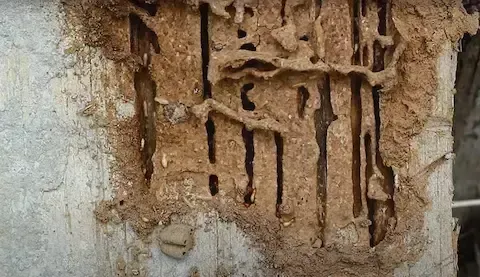
Termite Inspection in Beloit WI for Older Rock Homes
Older homes in Beloit carry unique charm and character, but they also present specific challenges when it comes to termite protection. If your Rock County home was built before 1970, understanding the vulnerabilities in your foundation, wooden structures, and crawl spaces becomes essential for maintaining your property's structural integrity. Stone foundations, wooden sill plates, and aging construction materials create conditions that require specialized inspection approaches tailored to the construction methods of earlier decades.
Understanding Termite Risks in Pre-1970 Beloit Construction
Homes constructed in Beloit before 1970 typically feature stone or concrete block foundations with wooden sill plates that rest directly on masonry surfaces. This construction method, while sturdy for its time, creates multiple entry points where moisture can accumulate and wood meets stone. Subterranean termites in Rock County exploit these junction points, accessing wooden framing through gaps in mortar, cracks in foundation walls, or spaces where utilities enter your basement.
The wooden structural elements in these older homes often lack modern pressure-treated materials and moisture barriers that newer construction includes. Original floor joists, subflooring, and wall plates used untreated lumber that becomes increasingly susceptible to termite damage as it ages. Additionally, many pre-1970 homes feature crawl spaces with dirt floors, providing ideal moisture conditions that attract termite colonies looking for nesting sites near their food sources.
Rock County's clay-heavy soil composition retains moisture longer than sandy soils, creating favorable conditions for subterranean termite populations throughout the spring and summer months. When combined with older home construction features like wooden basement stairs, untreated floor joists, and gaps around foundation penetrations, these environmental factors significantly increase termite pressure on your property.
Critical Inspection Points for Stone Foundation Homes
Professional termite inspections in older Beloit homes focus on specific vulnerable areas where termites typically establish access routes. Inspectors examine the junction between your stone foundation and wooden sill plates, looking for mud tubes that termites construct to travel between soil and wood. These pencil-thin tunnels often appear in corners, behind utilities, or along foundation walls where moisture levels remain consistently high.
Basement window wells require careful examination, particularly in homes with wooden window frames or sills. Termites access these areas through soil contact or gaps in window well drainage systems. Inspectors use moisture meters to identify areas where wood moisture content exceeds normal levels, indicating potential termite activity or conditions that attract colonies to specific locations.
Floor joist examinations involve probing wooden beams with specialized tools to detect hollow sounds or soft spots that indicate internal termite damage. Original construction often placed floor joists directly against foundation walls or used wooden supports that extend into basement areas, creating multiple termite access points that require systematic evaluation during professional inspections.
Utility penetrations through foundation walls create gaps where termites can enter undetected. Inspectors examine areas around electrical conduits, plumbing pipes, and heating system components that pass through basement walls. These penetrations often lack proper sealing in older homes, providing direct termite access routes that bypass typical soil-to-wood barriers.
Seasonal Timing and Detection Strategies
Spring represents the optimal time for termite inspections in Rock County, as warming soil temperatures trigger increased termite activity and swarming behavior. Professional inspectors schedule comprehensive evaluations between April and June when termite colonies expand their territory and establish new mud tube connections to wooden structures above ground.
Detection strategies for older homes incorporate both visual examinations and advanced technology designed to identify termite activity before visible damage occurs. Moisture detection equipment identifies areas where humidity levels exceed normal ranges, indicating potential termite attractants or existing colony locations. Thermal imaging cameras reveal temperature variations in walls and floors that suggest termite tunneling activity or moisture accumulation behind finished surfaces.
Inspectors document all findings with detailed reports that include photographs of problem areas, moisture readings, and recommendations for immediate treatment or ongoing monitoring. For homes with extensive crawl space access, inspections include soil examinations around foundation perimeters to identify termite colony locations and assess the scope of potential infestations affecting your property.
Regular monitoring programs for older Beloit homes involve quarterly inspections during peak termite seasons and annual comprehensive evaluations that document changes in wood condition, moisture levels, and termite pressure around your foundation. This systematic approach identifies developing problems before they require extensive structural repairs or major termite inspection interventions.
Common Vulnerabilities in Rock County Historic Properties
Many historic properties in Beloit feature unique construction elements that create specific termite vulnerabilities requiring specialized inspection approaches. Homes with stone foundations often have mortar joints that deteriorate over decades, creating gaps where termites can access wooden structural elements without detection. These properties frequently include root cellars, coal chutes, or other below-grade spaces that provide additional termite access points.
Original heating systems in older homes often include coal furnace foundations, abandoned chimney bases, or heating ducts that create voids in foundation areas. These spaces collect moisture and debris while providing protected pathways for termite colonies to access wooden framing components throughout your home's lower level.
Wooden basement stairs, support posts, and storage areas in pre-1970 homes typically lack pressure treatment and moisture protection found in modern construction. These elements often show the first signs of termite damage, serving as indicators of broader infestation problems that require comprehensive treatment strategies.
Foundation drainage issues common in older Beloit neighborhoods create moisture accumulation around basement walls and crawl space areas. Poor lot grading, damaged foundation waterproofing, or inadequate drainage systems increase soil moisture levels that attract termite colonies and accelerate wood deterioration in susceptible areas.
Professional Treatment Considerations for Older Homes
Treatment strategies for termite problems in pre-1970 Beloit homes require approaches that account for construction limitations and accessibility challenges unique to older properties. Liquid termiticide applications around stone foundations need specialized equipment to ensure adequate penetration through dense clay soils and proper coverage around irregular foundation shapes.
Interior treatment options for basement areas include localized soil injections around problem areas, wood treatment applications for damaged structural elements, and moisture control measures that reduce termite attractants throughout lower levels of your home. These targeted approaches minimize disruption while providing effective long-term protection for vulnerable wooden components.
Monitoring system installations in older homes utilize discreet placement strategies that work around existing mechanical systems, utilities, and foundation irregularities. Professional technicians establish monitoring stations in key locations where termite activity typically occurs while maintaining easy access for regular inspections and bait system maintenance.
Structural repair recommendations following termite treatment may include reinforcement of damaged floor joists, replacement of severely compromised wooden elements, and moisture control improvements that prevent future termite problems. These repairs often require coordination with local building codes and historic preservation guidelines that apply to older Beloit properties.
Prevention Strategies for Rock County Homeowners
Effective termite prevention for older Beloit homes combines environmental modifications with ongoing monitoring programs designed to detect problems before significant damage occurs. Moisture control measures include improving basement ventilation, addressing foundation drainage issues, and maintaining proper humidity levels in crawl spaces and basement areas.
Landscape management around your property involves maintaining proper soil grades that direct water away from foundation walls, removing wooden debris and mulch from foundation contact areas, and ensuring adequate clearance between wooden structures and soil surfaces. These environmental modifications reduce termite attractants while creating conditions that discourage colony establishment near your home.
Regular maintenance inspections allow homeowners to identify early warning signs of termite activity, including mud tubes along foundation walls, soft or hollow-sounding wood in basement areas, and moisture accumulation in crawl spaces or utility areas. Early detection significantly reduces treatment costs and prevents extensive structural damage.
Professional maintenance programs for older homes include annual comprehensive inspections, seasonal monitoring system checks, and immediate response services when termite activity is detected. These programs provide ongoing protection while addressing the unique challenges that older construction methods present for termite management in Rock County properties. The safest first move is to schedule professional termite inspection services to confirm activity and map the colony.
Working with Local Termite Control Professionals
Selecting termite control services for your older Beloit home requires professionals with specific experience treating pre-1970 construction challenges and understanding of local soil conditions, termite species, and environmental factors that affect treatment success. Qualified technicians assess your property's unique vulnerabilities while developing treatment strategies that account for construction limitations and accessibility issues.
Local expertise becomes particularly valuable when dealing with historic properties that may have preservation restrictions or require specialized approaches to maintain architectural integrity while providing effective termite protection. Experienced professionals understand Rock County building codes, permit requirements, and best practices for working around older construction materials and techniques.
Service agreements for older homes should include regular inspection schedules, monitoring system maintenance, and guaranteed response times when termite activity is detected. Comprehensive programs provide ongoing protection while building long-term relationships with professionals who understand your property's specific needs and maintenance requirements.
