Mosquito and Tick Control in Beloit WI Yards Year Round
Managing mosquitoes and ticks in your Beloit yard requires understanding how these pests thrive in Wisconsin's climate and landscape. The Rock River corridor, combined with the woodlots and wetlands throughout Rock County, creates ideal breeding conditions that can make outdoor activities miserable without proper control measures. Year-round protection involves strategic timing, targeted treatments, and ongoing maintenance that addresses both immediate populations and long-term breeding cycles.
Understanding Mosquito and Tick Habitats in Beloit
Mosquitoes in Beloit find abundant breeding opportunities in standing water sources throughout the area. The Rock River and its tributaries create numerous backwater areas, especially during spring flooding. Storm drains, retention ponds, and even small containers around your property can harbor developing mosquito larvae. Adult mosquitoes seek shelter in dense vegetation, tall grass, and shaded areas during the day, making yards with poor air circulation particularly problematic.
Ticks prefer different microhabitats but often overlap with mosquito territories. They thrive in areas where tall grass meets wooded edges, brush piles, and anywhere deer or small mammals travel regularly. The transition zones between your lawn and natural areas create perfect tick habitat. Understanding these preferences helps you target mosquito control and tick treatments more effectively.
Both pests become active at different times and under different weather conditions. Mosquitoes are most active during dawn and dusk when humidity is high and winds are calm. Ticks remain active throughout the day, especially in spring and fall when temperatures range between 50-80 degrees Fahrenheit. This activity pattern influences when and how you apply control measures.
Seasonal Control Strategies for Wisconsin Conditions
Spring control begins with eliminating overwintering sites and preventing early breeding. Remove leaf litter, clear clogged gutters, and eliminate standing water before temperatures consistently reach 50 degrees. Early season mosquito larvae develop in surprisingly small water sources, so inspect flower pot saucers, bird baths, and any containers that collect rainwater.
Pre-emergent tick control involves treating areas where they shelter during winter months. Focus on leaf litter, brush piles, and the edges of wooded areas. Spring treatments target both overwintering adults and newly hatched nymphs before they become fully active.
Summer maintenance requires consistent monitoring and treatment schedules. Mosquito populations peak during warm, humid periods, especially after heavy rains create new breeding sites. Weekly inspections of your property help identify new problem areas before populations explode. Tick activity remains high throughout summer, particularly in areas with consistent moisture and animal traffic.
Fall preparation focuses on breaking breeding cycles before pests enter winter dormancy. Late-season treatments target the final generation of mosquitoes and ticks that will overwinter and emerge the following spring. Proper fall cleanup removes shelter sites and reduces next year's starting population.
Effective Treatment Methods and Application Timing
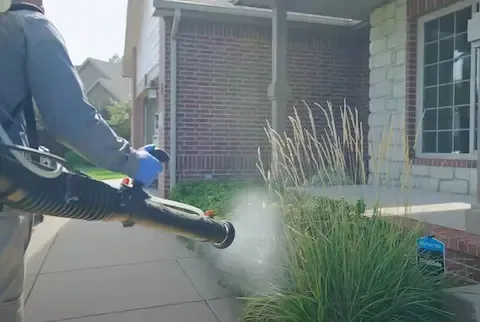
Barrier treatments create protective zones around your outdoor living spaces. These applications target the vegetation where mosquitoes and ticks rest during the day, creating a residual effect that lasts several weeks. Professional-grade products penetrate dense foliage more effectively than consumer alternatives, providing better coverage in areas where pests shelter.
Source reduction remains the most effective long-term mosquito control strategy. Eliminating breeding sites prevents population development rather than just killing existing adults. This includes managing drainage around your property, maintaining gutters, and addressing any areas where water pools after rain.
Granular tick treatments work well for larger lawn areas, especially along property borders and transition zones. These products create a protective barrier that remains active for extended periods, reducing tick populations as they move through treated areas. Application timing matters significantly, with early spring and late fall treatments providing the best long-term results.
Fogging treatments provide immediate knockdown of adult mosquitoes but require proper timing and weather conditions. Morning applications when dew is present help products adhere to vegetation. Avoid treatments during windy conditions or when beneficial insects like bees are active.
Property Modifications for Long-term Pest Reduction
Landscape modifications create environments less favorable to mosquitoes and ticks. Improving drainage eliminates standing water, while increasing air circulation makes areas less attractive to mosquitoes. Trim vegetation away from outdoor living areas and maintain clear sight lines that reduce tick habitat.
Creating buffer zones between natural areas and your lawn reduces pest migration into frequently used spaces. A three-foot gravel or mulch border along wooded edges creates a dry barrier that ticks avoid crossing. These modifications work year-round and reduce the need for chemical treatments.
Water feature management includes installing pumps or fountains that keep water moving, making it unsuitable for mosquito breeding. If you maintain decorative ponds or water gardens, stock them with mosquito-eating fish and ensure proper filtration prevents stagnation.
Vegetation selection influences pest populations significantly. Plants that repel mosquitoes naturally include marigolds, lavender, and citronella grass. Dense groundcovers that shade soil and retain moisture should be avoided in areas where tick control is a priority.
Common Treatment Mistakes and Misconceptions
Many property owners focus exclusively on adult pest control while ignoring breeding sites. Killing adult mosquitoes provides temporary relief, but new generations continue emerging from untreated breeding areas. Effective control requires addressing both adults and their developmental sites.
Timing mistakes reduce treatment effectiveness significantly. Applying products during midday heat when mosquitoes are inactive wastes materials and provides poor coverage. Similarly, treating for ticks during dry periods when they retreat to deeper cover fails to reach target populations.
Over-reliance on repellent plants creates false security. While certain plants may have mild repellent properties, they cannot provide meaningful protection for entire yard areas. These plants work best as supplements to comprehensive control programs rather than standalone solutions.
Inconsistent treatment schedules allow pest populations to recover between applications. Both mosquitoes and ticks have predictable development cycles that require regular disruption. Skipping treatments during peak breeding periods undoes previous control efforts.
Product Selection and Application Errors
Using indoor products outdoors often fails because they lack the residual properties needed for exterior applications. Outdoor formulations must withstand weather exposure while maintaining effectiveness over weeks rather than hours.
Inadequate coverage leaves untreated areas where pests continue breeding and sheltering. Both mosquitoes and ticks are excellent at finding small refuge areas, so thorough application becomes critical for effective control.
Mixing different product types can reduce effectiveness or create safety hazards. Each treatment method works best when used according to manufacturer specifications rather than in combination with other approaches.
Rock County Environmental Considerations
The Rock River watershed influences mosquito populations throughout the Beloit area. Spring flooding creates temporary breeding sites that can produce massive mosquito emergences weeks later. Understanding flood patterns helps predict when populations will peak and when intensive treatments become necessary.
Agricultural areas surrounding Beloit provide habitat for various tick species, including those that carry Lyme disease and Rocky Mountain spotted fever. Deer and small mammal movements between agricultural and residential areas transport ticks into suburban neighborhoods. Properties adjacent to farmland or natural areas face higher tick pressure and require more intensive control measures.
Local weather patterns affect treatment timing and effectiveness. Wisconsin's humidity levels during summer months extend the survival time of both mosquitoes and applied treatments. However, frequent thunderstorms can wash away residual products, requiring more frequent reapplication during wet periods.
Native wildlife considerations become important when selecting treatment products and timing applications. Many beneficial insects provide natural mosquito and tick control, so preserving these populations supports long-term pest management. Treatment timing should avoid periods when pollinators are most active.
Regulatory and Environmental Compliance
Wisconsin regulations govern the application of certain pest control products, especially near water sources. Properties near the Rock River or other waterways must use approved products that won't harm aquatic ecosystems. Professional applicators understand these restrictions and can recommend compliant treatment options.
Neighbor notification requirements may apply when using certain products or application methods. Fogging treatments, in particular, can drift onto adjacent properties and should be coordinated with neighboring property owners to avoid conflicts.
Integrated pest management principles emphasize using multiple control strategies rather than relying solely on chemical treatments. This approach reduces environmental impact while providing more sustainable long-term control.
Professional vs. DIY Treatment Considerations
Professional treatments offer access to products and equipment not available to homeowners. Commercial-grade formulations provide longer residual activity and better penetration into dense vegetation where pests shelter. Professional applicators also have the training to identify problem areas that property owners might miss.
Safety considerations become important when handling pest control products. Many effective treatments require protective equipment and specific application techniques to ensure both effectiveness and safety. Professional applicators carry insurance and have training in product handling that reduces liability risks.
Cost-effectiveness depends on property size, pest pressure, and treatment frequency requirements. Large properties or those with severe pest problems often benefit from professional treatment programs that provide consistent results throughout the season.
Timing coordination becomes easier with professional services that understand peak activity periods and weather requirements for effective applications. They can schedule treatments during optimal conditions and adjust timing based on seasonal pest development cycles.
For those interested in understanding pest control beyond mosquitoes and ticks, the roach treatment walkthrough provides insights into indoor pest management strategies that complement outdoor control efforts.
Monitoring and Adjusting Control Programs
Regular monitoring helps determine treatment effectiveness and identify areas needing additional attention. Weekly inspections during peak season allow you to spot new breeding sites or areas where pest activity increases despite treatments.
Weather tracking influences treatment schedules and product selection. Extended dry periods reduce mosquito breeding but can concentrate ticks in remaining moisture areas. Heavy rain periods create new breeding opportunities but may require treatment reapplication.
Activity logs help identify patterns in pest pressure and treatment effectiveness. Recording when and where you see the most pest activity helps refine future treatment timing and targeting. This information becomes valuable for adjusting seasonal programs year over year.
Resistance management requires rotating different product types and modes of action. Using the same products repeatedly can lead to reduced effectiveness as pest populations adapt. Professional programs typically incorporate rotation schedules that maintain treatment effectiveness over time.
Successful mosquito and tick control in Beloit requires understanding local conditions, implementing comprehensive treatment strategies, and maintaining consistent monitoring and adjustment schedules. The combination of Rock County's diverse habitats and Wisconsin's seasonal weather patterns creates unique challenges that benefit from professional expertise and year-round planning.
