
Mosquito & Tick Control in Beloit, WI
Seasonal Mosquito & Tick Control
Rock River proximity creates ideal mosquito breeding conditions throughout Beloit neighborhoods, while wooded areas and tall grass harbor blacklegged ticks carrying Lyme disease and other serious illnesses. Wisconsin's humid summers support massive mosquito populations from May through September, with evening outdoor activities becoming impossible without protection. Our mosquito and tick control programs use barrier spray treatments on lawn perimeters, landscape vegetation, and shaded areas where these pests harbor during daylight hours. Monthly applications from May through September provide continuous protection, while special event treatments deliver immediate relief for outdoor gatherings, graduations, and wedding receptions. We run the same barrier treatments across South Beloit and Rockton, covering the lawn edges and wooded lot lines where mosquitoes and ticks breed.
What mosquito and tick treatment costs depends on property size, vegetation density, and how much wooded or brushy edge requires tick-specific treatment. A manicured lawn with foundation plantings is a different scope than a large lot with dense landscaping, multiple fence lines, and wooded edges where tick transition zones extend across the property. Lots bordering the Rock River, Turtle Creek, Big Hill Park, or Hononegah Forest Preserve typically require more extensive treatment than properties without adjacent natural areas.
Monthly barrier treatment from May through September covers the entire mosquito season. Treatment frequency affects seasonal cost: full-season programs with monthly visits provide continuous protection, while one-time event treatments for graduations, weddings, or outdoor parties cover a specific date. Commercial properties with retention pond adjacency, wetland buffers, or dense vegetation require larger treatment areas.
South Beloit and Rockton properties along the Rock River and Turtle Creek face highest mosquito pressure in our service area due to permanent water features, floodplain vegetation, and bottomland habitat. These riverfront communities consistently generate more service requests than any other part of our territory. Flea control for yards addresses outdoor populations that reinfest pets and homes even after indoor treatment. Spider control around foundations reduces populations entering through cracks. Free retreatment is provided if rain within two hours of application compromises product adhesion. We measure the property, assess vegetation and edge habitat, and quote accordingly.
What's Included in our Mosquito & Tick Control service?
Monthly Mosquito Barrier Treatment
Barrier treatment applies residual product to the underside of foliage, throughout shrubs, across groundcovers, along fence lines, and on structures where mosquitoes rest during daylight hours waiting to become active at dawn and dusk. Treatment kills mosquitoes on contact when they land on treated surfaces and continues working between visits as new mosquitoes arrive from surrounding areas and attempt to rest in treated zones. We focus on shaded areas where mosquitoes shelter from heat and wind, dense vegetation around patios and outdoor living spaces, foundation plantings near entries, and any vegetation within flight range of where people spend time outdoors. Monthly service from May through September covers the entire mosquito season in Rock County, with applications timed three to four weeks apart for continuous protection. Free retreatment is provided if rain within two hours of application compromises product adhesion.
Tick Yard Treatment
Tick treatment targets the transition zones where ticks wait on vegetation for passing hosts: the edge between mowed lawn and woods, fence lines where tall grass meets maintained areas, leaf litter accumulation that holds moisture, and unmaintained vegetation along property borders. Ticks climb vegetation and wait with front legs extended to latch onto hosts who brush past. We apply residual products that kill ticks contacting treated surfaces throughout these transition zones. Properties with dogs that explore wooded edges, wooded lot boundaries, or children who play in unmaintained areas benefit most from tick treatment combined with mosquito barrier service. Rock County hosts deer ticks carrying Lyme disease and anaplasmosis that can cause serious illness, American dog ticks, and increasingly lone star ticks whose range is expanding northward.
Flea and Spider Control
Fleas establish outdoor breeding populations in shaded, moist areas where pets rest including under decks, porches, and dense shrubs, reinfesting pets and homes even after indoor treatment because the outdoor source population remains. Spiders harbor around foundations, in window wells, under eaves, and near exterior lighting that attracts the flying insects they prey upon, then enter structures through gaps and cracks. Our outdoor pest program addresses fleas, spiders, and other crawling pests around the entire foundation perimeter and in yard areas where pets spend time resting. Successful indoor flea control requires treating the pet with veterinary products, the indoor environment including carpets and upholstery, and outdoor harborage areas simultaneously to break the flea lifecycle at all stages. Spider reduction around foundations and entry points keeps populations from establishing inside structures where they become nuisance pests.
Serving Beloit and Surrounding Communities
Protecting Beloit Homes from Wisconsin Pests
Our pest control services extend throughout Rock County communities facing similar challenges from agricultural surroundings, seasonal Wisconsin pest pressures, and older housing stock requiring specialized treatment approaches.
Proudly serving Janesville, Clinton, South Beloit,
Rockton, Rockford, Loves Park, Rockford, Machesney Park and Afton for 20+ years.
Comprehensive Pest Control Services in Beloit
Tailored to Your Needs
Whether you're battling winter rodent invasions, discovering termite damage in your historic home, or dealing with seasonal mosquito swarms near Rock River, we deliver comprehensive pest solutions designed for Beloit's unique challenges and Wisconsin's extreme climate conditions.
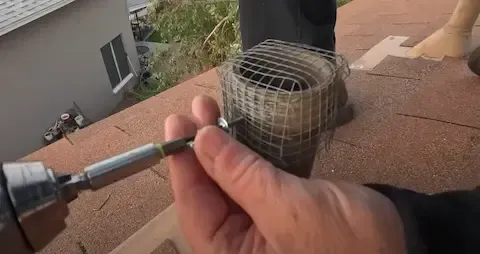
Protect your Beloit home from rodents with expert exclusion services that address Wisconsin's harsh winter intrusion patterns.
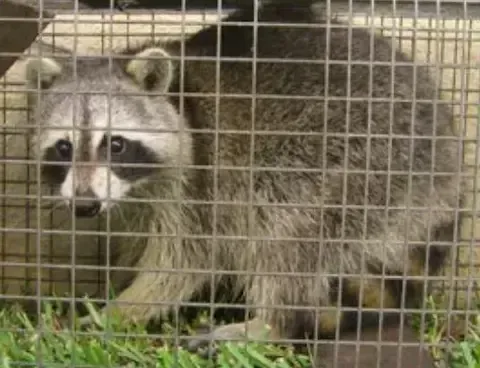
Safe wildlife removal for raccoons, squirrels, bats, and snakes throughout Beloit, including humane dead animal removal services.
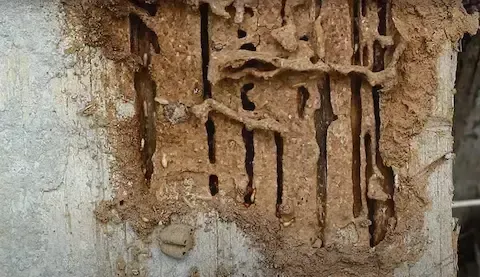
Comprehensive termite inspections and treatments designed for Wisconsin's subterranean termite challenges in Beloit's older homes.
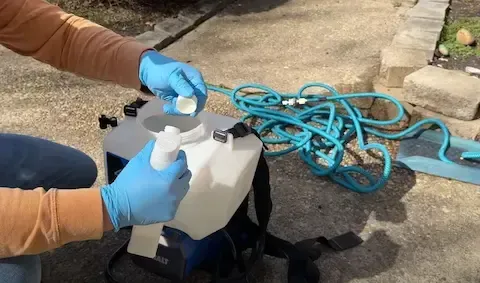
Fast, effective bed bug treatments using proven methods to eliminate infestations in Beloit homes and multi-family properties.

Targeted cockroach and German roach control addressing moisture-prone basements and commercial kitchens throughout Beloit.
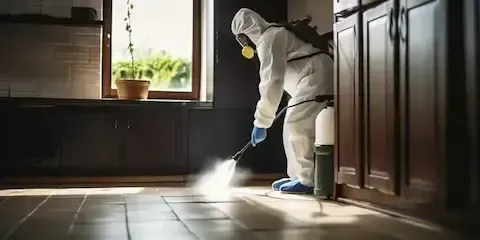
Expert ant and carpenter ant removal protecting Beloit's wood structures from damage caused by southern Wisconsin ant species.
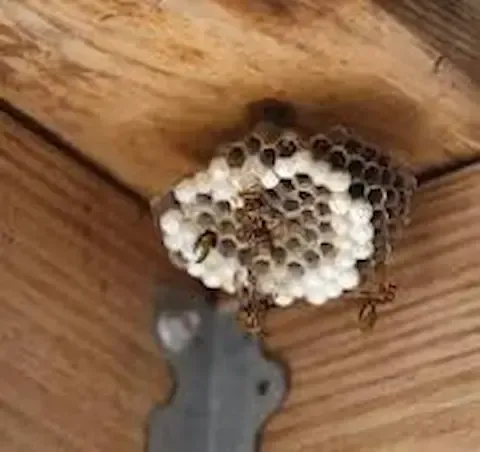
Professional wasp, hornet, and yellow jacket removal keeping Beloit families safe from aggressive stinging insects all season long.
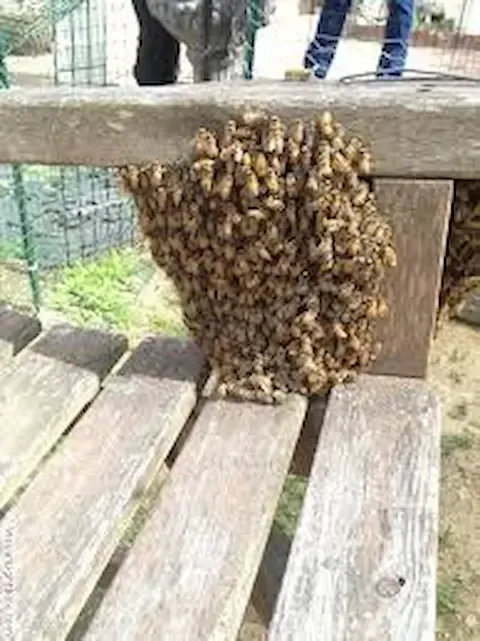
Humane bee removal and live relocation services preserving pollinators while protecting your Beloit property from unwanted colonies.
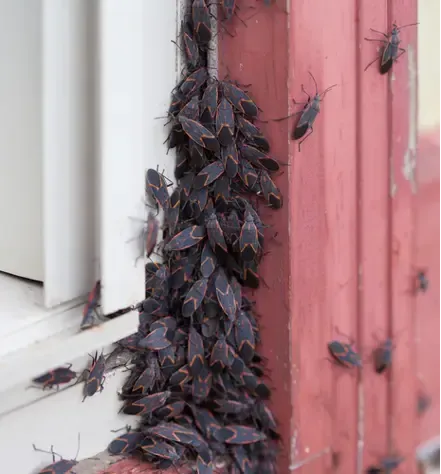
Specialized box elder bug and Asian beetle control preventing seasonal invasions common in Beloit's agricultural surroundings.
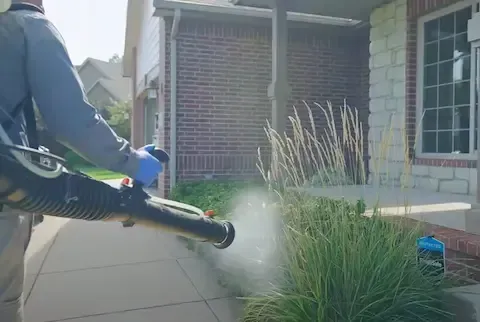
Seasonal mosquito and tick control programs protecting Beloit families from disease-carrying pests near Rock River wetland areas.
Frequently Asked Questions
Pest Control can be complex, and we’re here to provide answers to common questions. Here are some frequently asked questions from our clients.
Frequently Asked Questions about Pest Control
What are the most common pest problems in Beloit, Wisconsin?
Beloit homeowners face seasonal pest pressures driven by Wisconsin's climate extremes and Rock River proximity. Winter brings intense rodent invasions as mice and rats seek heated structures, while carpenter ants emerge each spring causing structural damage in older homes. Summer mosquito populations explode near the river, and fall triggers massive box elder bug and Asian beetle migrations from surrounding agricultural areas. Year-round issues include German roach infestations in multi-family properties, termite activity in moisture-prone foundations, and wildlife conflicts as raccoons and squirrels exploit attic access points in historic downtown homes.
When should I schedule preventive pest control in Beloit?
Optimal prevention timing in Beloit follows Wisconsin's seasonal pest patterns. Schedule rodent exclusion in October before winter drives mice indoors, mosquito and tick programs starting in May before populations peak, and box elder bug prevention in early September before fall invasions begin. Spring carpenter ant treatments in April target emerging colonies, while termite inspections work best in late April through May when swarmers appear. Year-round quarterly programs provide comprehensive protection addressing each season's unique challenges from winter rodents through fall overwintering pest invasions.
Are pest control treatments safe for pets and children?
Modern pest control products used by licensed professionals pose minimal risk when applied according to label directions and safety protocols. We use integrated pest management emphasizing non-chemical controls like exclusion and sanitation, then apply targeted treatments only where necessary. Interior applications typically require 2-4 hours before re-entry, while exterior barrier treatments dry within 30 minutes. We always explain safety precautions specific to your treatment, provide re-entry timing, and offer low-toxicity options for families with concerns about children, pets, or sensitive individuals.
How much does pest control cost in Beloit, WI?
Pest control costs vary based on property size, pest type, and infestation severity. General pest control treatments for average Beloit homes typically range $150-$300 per service, while specialized treatments like bed bug heat treatments ($1,500-$3,000), termite treatments ($1,200-$2,500), or wildlife exclusion ($400-$1,200) reflect the complexity and labor involved. Quarterly service programs offering year-round protection average $100-$150 per visit with seasonal adjustments. We provide free inspections with detailed estimates explaining recommended treatments, expected results, and warranty coverage before any work begins.
Do you offer same-day pest control service in Beloit?
Yes, we offer same-day service for pest emergencies throughout Beloit including active wasp nests threatening outdoor areas, bed bug discoveries requiring immediate attention, rodent infestations with visible activity, and wildlife entries posing safety concerns. Morning calls often receive same-day afternoon appointments based on technician availability and geographic routing. Non-emergency situations like preventive treatments, termite inspections, or seasonal programs typically schedule within 2-3 business days. Call early in the day for best same-day availability, or schedule emergency service for situations requiring immediate professional intervention.
What's included in a pest control inspection?
Comprehensive pest inspections examine all areas where pests commonly harbor or enter including basements, crawlspaces, attics, kitchens, bathrooms, and exterior perimeters. We identify current pest activity through evidence like droppings, damage patterns, or live sightings, locate entry points and conducive conditions supporting infestations, and assess structural vulnerabilities common in Beloit's older homes. Inspections include moisture evaluations for termites and roaches, exclusion assessments for rodents and wildlife, and vegetation reviews for mosquitoes and ticks. You receive detailed findings, treatment recommendations, cost estimates, and prevention advice specific to your property's unique challenges.
Frequently Asked Questions about Mosquito & Tick Control
When should I start mosquito control in Beloit?
Mosquito control should begin in early May before populations explode, continuing through September when frost ends mosquito activity. Wisconsin's humid climate combined with Rock River proximity creates ideal breeding conditions from late spring through early fall. First treatments in May target early-season mosquitoes before they establish large populations, while monthly applications throughout summer maintain protection during peak outdoor living months. June through August see highest mosquito pressure with warm temperatures and afternoon thunderstorms creating perfect breeding conditions. September treatments extend outdoor season enjoyment during beautiful fall weather. Starting programs late (June or July) means suffering through early season mosquito activity, while full-season protection from May through September provides maximum outdoor living benefits throughout Wisconsin's short but intense mosquito season.
How effective are mosquito treatments?
Professional barrier spray treatments reduce mosquito populations by 85-95% for 3-4 weeks when applied properly to vegetation, lawn perimeters, and shaded resting areas where mosquitoes harbor during daylight hours. Effectiveness depends on treating all harborage areas—under deck surfaces, dense shrubs, tall grass edges, and tree canopy understory where mosquitoes rest between blood meals. Treatments don't eliminate every mosquito as new adults constantly emerge from breeding sites and migrate from neighboring properties, but they dramatically reduce biting pressure making outdoor activities enjoyable. Rock River wetlands continuously produce new mosquitoes throughout summer requiring monthly retreatment maintaining protection. Combining treatments with breeding site reduction—eliminating standing water in gutters, birdbaths, and containers—enhances results. Most Beloit families report 90%+ reduction in mosquito encounters allowing evening outdoor use that's impossible without treatment during Wisconsin's humid summer months.
Are mosquito treatments safe for my family and pets?
Modern mosquito control products used by licensed professionals pose minimal risk when applied according to label directions and safety protocols. Treatments use synthetic pyrethroids mimicking natural chrysanthemum compounds that break down quickly in sunlight and don't persist in soil or water. We apply products in early morning or evening when bees and beneficial insects are less active, minimizing non-target effects. Products dry within 30-60 minutes after application allowing normal yard use. Children and pets should stay inside during application and until products dry, then can resume regular outdoor activities safely. We avoid treating flowering plants attracting pollinators, direct sprays away from vegetable gardens and water features, and use minimum effective rates. Many Beloit families with children, pets, and outdoor living priorities choose mosquito control for health benefits outweighing minimal chemical exposure from properly applied professional treatments.
What diseases do mosquitoes carry in Wisconsin?
Wisconsin mosquitoes can transmit West Nile virus, La Crosse encephalitis, and eastern equine encephalitis, though transmission rates remain relatively low compared to southern states. West Nile virus poses the greatest risk with cases reported annually across Wisconsin including Rock County where Beloit is located. Most infections cause no symptoms, but severe cases result in neurological illness especially in elderly or immunocompromised individuals. La Crosse encephalitis primarily affects children in wooded areas. Heartworm disease threatens dogs through mosquito transmission requiring preventive medication. Beyond disease transmission, mosquito bites cause itching, allergic reactions, and secondary infections from scratching. The nuisance factor alone justifies control—constant biting prevents outdoor activities, disrupts sleep, and significantly reduces quality of life during Wisconsin's short summer season. Public health departments monitor mosquito populations and disease prevalence, sometimes recommending enhanced protection during high-risk periods.
What ticks are common in southern Wisconsin?
Southern Wisconsin including Rock County hosts several tick species posing varying disease and nuisance risks. Deer ticks (black-legged ticks) carry Lyme disease, anaplasmosis, and other tick-borne illnesses throughout Wisconsin with established populations in wooded areas, brushy yards, and properties near agricultural land. American dog ticks—larger and more visible than deer ticks—transmit Rocky Mountain spotted fever and tularemia though disease rates remain relatively low in Wisconsin. Lone star ticks have expanded northward into southern Wisconsin recently, carrying alpha-gal syndrome causing red meat allergies in bite victims. Brown dog ticks primarily affect pets but occasionally bite humans during heavy infestations. Beloit properties near wooded areas, agricultural fields, parks, and Rock River wildlife corridors face highest tick pressure especially deer ticks. Peak tick activity occurs April through October with nymph deer ticks (most dangerous for Lyme transmission) active May-July when bites often go unnoticed due to tick size. Professional yard treatments target tick habitat reducing populations significantly, while personal protection through repellents, clothing, and post-outdoor checks complete protection strategies during active tick season.
Do I need tick treatment if I don't go in the woods?
Yes, suburban and urban Beloit properties harbor tick populations even without nearby forests since deer ticks adapt to varied habitats including manicured yards, ornamental landscaping, leaf litter under shrubs, and edge areas where mowed grass meets garden beds or fences. Deer carrying ticks travel widely through residential areas including suburban Beloit neighborhoods, dropping engorged ticks that lay eggs starting new local populations. White-footed mice and other rodents transport ticks throughout properties spreading tick populations into yards regardless of woodland proximity. Yards with bird feeders attract deer and small mammals carrying ticks. Properties bordering parks, golf courses, undeveloped lots, or even highway right-of-ways receive tick introductions from these adjacent areas. Children playing in yards, pets accessing outdoor spaces, and gardening activities all create tick exposure even on properties without woods. Professional yard treatment reduces tick populations 80-95% during treatment cycles, dramatically reducing exposure risk for families using their yards during summer months. Even properties never previously experiencing tick problems benefit from preventive treatment given recent range expansion bringing ticks into areas previously considered low-risk.
How do I get rid of standing water that breeds mosquitoes?
Eliminating mosquito breeding sites supplements professional treatment significantly improving overall control results around Beloit properties. Inspect properties weekly during summer eliminating standing water sources mosquitoes need for larval development—gutters clogged with leaves create perfect breeding conditions requiring cleaning and maintenance. Empty and refill birdbaths weekly preventing complete larval development cycles. Address landscape low spots collecting water through grading or drainage improvements. Cover or invert unused containers, buckets, pots, and recyclables stored outdoors. Manage pool covers preventing water accumulation, drill drainage holes in containers requiring outdoor storage, and stock ornamental ponds with mosquito-eating fish like minnows or gambusia. Address tree holes by filling with sand or expandable foam. Maintain swimming pools with proper chemistry preventing larvae establishment in protected pool water during low-use periods. Toy storage outdoors creates surprising breeding sites in upturned wading pools, sandbox covers, and abandoned outdoor toys collecting rain. Clean clogged drains in basement window wells preventing water pooling. Properties along Rock River face naturally produced mosquito populations from river floodplain areas requiring intensive treatment alongside personal mitigation efforts.
Can I get one-time mosquito treatment for an outdoor event?
Yes, special event treatments provide temporary mosquito relief for outdoor weddings, graduation parties, family reunions, barbecues, and other gatherings. Single applications cost $150-$300 for typical residential properties timed 1-2 days before events providing 2-3 weeks of significant mosquito reduction. We apply treatments to vegetation, lawn perimeters, and shaded areas where mosquitoes harbor during day, killing existing populations and creating residual protection during your event timeframe. Effectiveness depends on application timing—too early means mosquitoes return before event begins while too late means insufficient time for products to fully deploy. Most events benefit from treatment 1-2 days before scheduled gatherings allowing optimal residual protection. Weather affects results—heavy rain immediately after application reduces effectiveness while mild weather preserves residual action. We discuss specific event timing during scheduling determining optimal application window. Properties adjacent to wetlands, woods, or large water features receive less complete relief than urban yards since adjacent mosquito sources continuously produce new populations, but treatment significantly reduces biting pressure improving outdoor enjoyment regardless. One-time treatments don't require seasonal program commitments.
How long after mosquito treatment can my dog go outside?
Pets can return to treated yards 30-60 minutes after application once products have dried completely on vegetation and lawn surfaces, with no special precautions required beyond avoiding the wet treatment area during this brief drying period. Modern mosquito control products used by licensed professionals show very low mammalian toxicity and break down quickly in sunlight, leaving treated areas safe for pets within an hour of application. We schedule treatments around your pet's outdoor routines when possible, applying products during typical indoor periods (early morning or late evening) minimizing inconvenience. Dogs with skin sensitivities, very young puppies, immunocompromised pets, or animals on multiple medications affecting their detoxification systems may benefit from extended drying times—discuss specific pet concerns during scheduling so we can adjust timing or product selection appropriately. Avoid letting pets dig in flower beds or chew on plants immediately after treatment minimizing direct product contact. Cats may need extra time since their grooming behavior creates higher exposure than dogs—keep cats indoors 2-4 hours after application as additional precaution. The benefit-risk balance strongly favors treatment since untreated yards expose pets to mosquito bites carrying heartworm disease.
Schedule Mosquito Treatment Now
What Our Satisfied Clients Have to Say About Beloit Pest Control
We pride ourselves on delivering great results and experiences for each client. Hear directly from home and business owners who’ve trusted us with their Pest Control needs.

After discovering mice in our historic downtown home, the team responded same day, identified entry points we never knew existed, and sealed everything thoroughly. Haven't seen any rodent evidence since the exclusion work was completed.
Sarah M.
The mosquito control program completely changed our summer experience. We can actually enjoy our backyard near the river now without being eaten alive. Monthly treatments are worth every penny for the outdoor living we've gained.
Mike and Jennifer R.
Professional, knowledgeable service from start to finish. They explained the carpenter ant treatment process clearly, addressed all our questions, and followed up to ensure the problem was completely resolved. Highly recommend for any Beloit pest issues.
David L.
The Trusted Pest Control Expert Near You
Ready to hear more about expert services at Beloit Pest Control?
Contact us today to receive a detailed, no-obligation quote.
Having a pest control emergency? Read more about steps to take here.
Beloit, WI & the Surrounding Area
Mon-Sat 8-5pm
