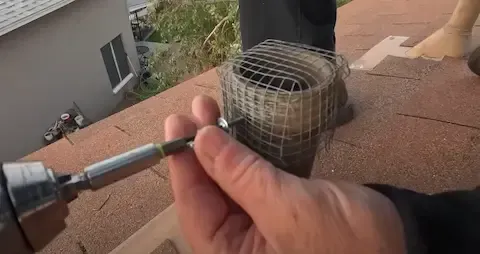
Mouse Control in Beloit WI Older Home Exclusion Plan
Older homes in Beloit, Wisconsin present unique challenges for mouse control, particularly as these structures settle and develop gaps that create perfect entry points for rodents. The combination of mature foundation materials, aging weather stripping, and seasonal temperature fluctuations common to Rock County creates an environment where mice can easily establish entry routes into your home. Understanding how to systematically identify and seal these access points before peak migration seasons is essential for maintaining a rodent-free living space throughout Wisconsin's harsh winters.
Foundation Assessment and Common Entry Points
The foundation of older Beloit homes typically shows signs of settling that create small gaps where mice can squeeze through openings as narrow as a quarter-inch. Start your exclusion assessment at ground level, examining the entire perimeter where your foundation meets the soil. Pay particular attention to areas where utility lines enter the structure, as these penetrations often develop gaps over time due to ground movement and temperature changes typical in southern Wisconsin.
Basement windows present another common vulnerability in older Rock County homes. The wooden frames around these windows shrink and expand with seasonal moisture changes, creating gaps along the sill plates. Mice often enter through deteriorated window wells or gaps where the window frame meets the foundation wall. Check for loose mortar joints in stone or brick foundations, as these materials commonly used in early Beloit construction can develop openings as the mortar ages and weathers.
Examine areas where different building materials meet, such as where brick transitions to siding or where additions connect to the original structure. These transition zones frequently develop gaps that provide direct access routes for mice seeking shelter. The freeze-thaw cycles common in Wisconsin accelerate the development of these openings, making regular inspection crucial for maintaining effective exclusion barriers.
Seasonal Migration Patterns and Timing
Mice in the Beloit area follow predictable seasonal movement patterns that directly impact your exclusion timeline. As temperatures begin dropping in late September and early October, field mice and house mice actively seek warm shelter for winter survival. This migration period represents your critical window for completing exclusion work before mice establish winter nesting sites inside your home.
During Rock County's harsh winter months, mice that successfully enter homes tend to remain active in wall voids, basements, and attic spaces where they can access insulation for nesting material. Once established, these populations multiply rapidly in the protected environment, making spring removal significantly more challenging than fall prevention. Understanding this timing allows you to focus exclusion efforts when they provide maximum effectiveness.
Spring emergence patterns also influence exclusion strategy, as mice that survived winter indoors often attempt to expand their territory or seek new food sources. This secondary migration period in March and April requires renewed attention to potential entry points that may have developed during winter freeze-thaw cycles. Professional mouse control services in Beloit typically schedule comprehensive exclusion inspections during these peak movement periods to ensure complete coverage.
Material Selection and Sealing Techniques
Effective mouse exclusion requires understanding which materials provide long-term barriers versus temporary solutions. Steel wool offers immediate gap filling but degrades over time when exposed to moisture common in Wisconsin basements and crawl spaces. Instead, use copper mesh or hardware cloth with quarter-inch or smaller openings for permanent exclusion that withstands seasonal moisture changes and temperature fluctuations.
Expanding foam sealants work well for larger gaps but must be covered with rigid materials to prevent mice from chewing through the foam. Apply foam behind metal screening or use it in combination with cement-based crack fillers for areas where structural integrity matters. Weather-resistant caulks designed for exterior use provide effective sealing for smaller gaps around window frames, door thresholds, and utility penetrations.
For foundation cracks and mortar joint repairs, hydraulic cement offers superior bonding and moisture resistance compared to standard patching compounds. This material expands as it cures, creating tight seals that accommodate minor structural movement without cracking. When sealing areas around pipes or cables, use flexible materials that maintain their seal as these utilities expand and contract with temperature changes.
Systematic Inspection Protocol
Begin your exclusion inspection during daylight hours when you can clearly identify potential entry points and assess the condition of existing barriers. Work systematically around your home's perimeter, starting at one corner and moving in a consistent direction to avoid missing sections. Document findings with photos and notes to track completed repairs and identify areas requiring professional attention.
Focus inspection efforts on the lowest 18 inches of your home's exterior, as this zone contains the majority of mouse entry points. Use a flashlight to examine shadowed areas under porches, steps, and overhanging structures where gaps may not be immediately visible. Pay special attention to areas where landscaping or storage items contact the foundation, as these create protected pathways that mice prefer for approaching entry points.
Interior inspection should include basement and crawl space areas where foundation penetrations occur. Look for signs of mouse activity such as droppings, gnaw marks, or grease stains along potential travel routes. These indicators help identify active entry points versus potential vulnerabilities, allowing you to prioritize sealing efforts for maximum impact. Consider seasonal factors when planning inspection schedules, as spring rain and snowmelt often reveal foundation issues not apparent during dry periods.
Professional Assessment Advantages
While homeowner inspection identifies obvious entry points, professional pest control technicians bring specialized knowledge of mouse behavior and building construction that reveals hidden vulnerabilities. Experienced technicians understand how mice navigate structural elements and can predict likely entry routes based on your home's specific construction methods and age-related deterioration patterns common in older Beloit properties.
Professional exclusion services include access to commercial-grade materials and application techniques that provide superior long-term performance compared to typical homeowner repairs. These specialists understand local building codes and can recommend exclusion methods that maintain your home's structural integrity while providing effective rodent barriers. Their experience with Wisconsin weather patterns ensures repairs withstand seasonal challenges specific to the Rock County area.
Many professional services offer warranty protection for exclusion work, providing peace of mind that repairs will perform as expected throughout the critical fall and winter seasons. This coverage often includes follow-up inspections and repair services if mice breach excluded areas, ensuring your investment in exclusion work provides lasting protection. Documentation provided by professional services also supports homeowner insurance claims if rodent damage occurs despite exclusion efforts.
Common Exclusion Mistakes
One frequent mistake involves focusing exclusively on obvious large openings while overlooking smaller gaps that provide adequate mouse access. Remember that mice can squeeze through openings as small as a dime, making thorough inspection of seemingly minor gaps essential for effective exclusion. Many homeowners underestimate mice's climbing abilities and fail to check entry points above ground level, particularly around roof lines and second-story penetrations.
Using inappropriate materials represents another common error that undermines exclusion effectiveness. Standard caulks and expanding foams may provide temporary barriers but often fail under Wisconsin's extreme temperature variations and moisture conditions. Selecting materials based on convenience rather than durability leads to exclusion failures during peak mouse migration periods when effective barriers matter most.
Timing mistakes also compromise exclusion success, with many homeowners attempting repairs after mice have already established indoor populations. Once mice settle into wall voids or attic spaces, exclusion work must be combined with active removal efforts to prevent trapped populations from causing ongoing problems. Understanding comprehensive pest exclusion helps ensure all structural vulnerabilities receive appropriate attention during assessment and repair processes.
Maintenance and Long-term Strategy
Effective mouse exclusion requires ongoing maintenance to address normal wear and new vulnerabilities that develop over time. Schedule annual inspections before fall migration periods to identify and repair any exclusion barriers that may have failed during the previous year. Pay particular attention to areas that experience heavy moisture exposure or temperature extremes, as these conditions accelerate material degradation.
Document your exclusion efforts with detailed records of materials used, repair locations, and completion dates. This information helps track the effectiveness of different approaches and identifies patterns in exclusion failures that may indicate underlying structural issues requiring professional attention. Regular maintenance based on documented findings prevents small problems from developing into major entry routes during critical migration periods. Once you have found the entry points, mouse and rodent control seals them and clears out the existing population.
Consider exclusion work as part of broader home maintenance rather than an isolated pest control measure. Coordinate mouse exclusion efforts with other exterior maintenance activities such as foundation repairs, window replacement, or siding work to maximize efficiency and ensure comprehensive protection. This integrated approach often reveals opportunities for improved exclusion that might not be apparent during focused pest control assessments. Read more about older home pest control here.
