
Rodent Control & Exclusion in Beloit, WI
What Beloit property owners should know about rodents
Wisconsin winters drive rodents indoors, and Beloit homeowners face unique challenges from Rock River proximity, agricultural surroundings, and historic downtown homes with structural vulnerabilities. Our rodent control specialists understand how field mice migrate from surrounding farmland seeking warmth, how older homes provide countless entry points, and how basement moisture from Rock River's water table creates ideal nesting conditions. We don't just bait traps—we identify every entry point, seal structural gaps using preservation-friendly materials for historic properties, and implement exclusion strategies designed for Wisconsin's freeze-thaw cycles that create new openings each spring.
What rodent work costs on a Beloit property comes down to three things you can see for yourself. First, how far the population has spread: droppings confined to one corner of a garage is a different job than activity in the basement, kitchen, and attic simultaneously. Second, how many entry points need permanent sealing, which depends largely on foundation type. A poured concrete foundation on a 1990s ranch might have four or five gaps, while a fieldstone foundation on a pre-1970 home near the Rock River can have dozens as mortar deteriorates between stones. Third, whether the structure is balloon-framed, because continuous wall cavities from sill plate to roofline mean sealing the basement alone leaves the upper floors open.
Fall field-mouse migration hits Rock County hardest from September through November as harvested fields push mice toward heated structures. This is the most critical treatment window for properties surrounded by agricultural land. Pre-1970 Beloit homes with balloon-frame construction present particular challenges because mice travel from basement to attic inside wall cavities without crossing living spaces. Homeowners may hear activity in walls or ceilings without seeing a single mouse until the population becomes severe.
The Rock River corridor and surrounding agricultural land define rodent pressure throughout our service area. Properties near grain storage, feed operations, or harvested fields face year-round pressure rather than seasonal spikes. Downtown Beloit commercial buildings, restaurants, and multi-unit housing require ongoing monitoring to maintain rodent-free conditions for health department compliance. We walk the property, identify every gap, and quote the actual scope before any work starts.
What's Included in our Rodent Control & Exclusion service?
Mice Control and Exclusion
House mice enter through gaps as small as a quarter inch, exploiting weep holes, pipe penetrations, deteriorated door sweeps, garage door seals, and dryer vent openings. A single gap can allow dozens of mice inside over a season. Our mice control program targets active populations with tamper-resistant bait stations and snap traps positioned along identified travel routes while simultaneously sealing the entry points that allow reinfestation. We identify active travel routes using UV tracking powder and droppings distribution and focus exclusion efforts on the specific gaps mice are using rather than guessing. Exclusion materials include copper mesh that mice cannot chew through, hardware cloth, hydraulic cement for masonry gaps, and metal kick plates for door bottoms. Beloit properties with attached garages, older foundations, or adjacent agricultural fields require comprehensive perimeter sealing to achieve lasting results rather than seasonal cycles of treatment.
Rat Control and Elimination
Norway rats and roof rats require different treatment approaches based on distinct behavior patterns. Norway rats are larger, burrow along foundations, and enter through floor-level gaps including damaged garage doors, broken basement windows, and utility penetrations. Roof rats are more agile climbers, accessing structures through rooflines, overhanging tree branches, and utility lines, and prefer elevated nesting in attics and upper walls. Our rat control service identifies which species is present through droppings size, gnaw marks, and entry point locations before designing treatment strategy. Treatment includes exterior bait stations positioned along travel routes, interior snap traps in secure locations away from children and pets, and professional exclusion of the specific entry points each species uses. Commercial properties, restaurants, and multi-unit buildings in downtown Beloit often require ongoing monitoring programs with documented service reports for health department compliance.
Commercial Rodent Programs
Restaurants, food service operations, and commercial properties in Beloit face Rock County Environmental Health inspections that document any evidence of rodent activity as critical violations requiring immediate corrective action. Our commercial rodent program provides the documentation needed for regulatory compliance, including dated service reports, tamper-resistant bait station maps showing placement, monitoring records, and corrective action documentation. We schedule all service during off-hours to avoid disrupting business operations and maintain tamper-resistant stations that meet regulatory requirements for food service environments. Multi-unit residential buildings require coordinated treatment across all affected units to prevent populations from simply relocating within the structure through shared walls, ceiling spaces, and utility chases. Property managers receive comprehensive reporting for lease compliance documentation.
Serving Beloit and Surrounding Communities
Protecting Beloit Homes from Wisconsin Pests
Our pest control services extend throughout Rock County communities facing similar challenges from agricultural surroundings, seasonal Wisconsin pest pressures, and older housing stock requiring specialized treatment approaches.
Proudly serving Janesville, Clinton, South Beloit,
Rockton, Rockford, Loves Park, Rockford, Machesney Park and Afton for 20+ years.
Comprehensive Pest Control Services in Beloit
Tailored to Your Needs
Whether you're battling winter rodent invasions, discovering termite damage in your historic home, or dealing with seasonal mosquito swarms near Rock River, we deliver comprehensive pest solutions designed for Beloit's unique challenges and Wisconsin's extreme climate conditions.
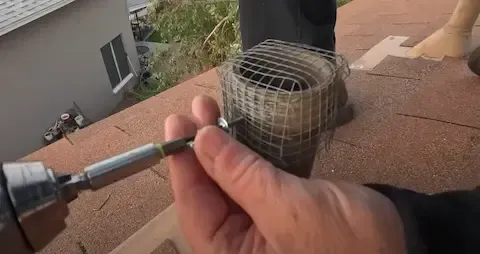
Protect your Beloit home from rodents with expert exclusion services that address Wisconsin's harsh winter intrusion patterns.
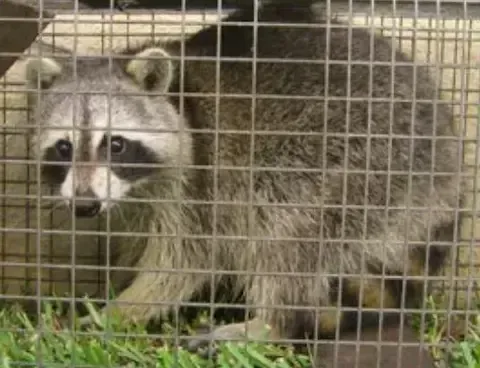
Safe wildlife removal for raccoons, squirrels, bats, and snakes throughout Beloit, including humane dead animal removal services.
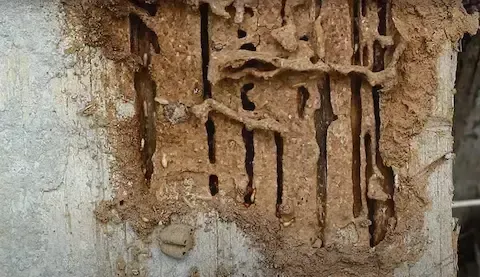
Comprehensive termite inspections and treatments designed for Wisconsin's subterranean termite challenges in Beloit's older homes.
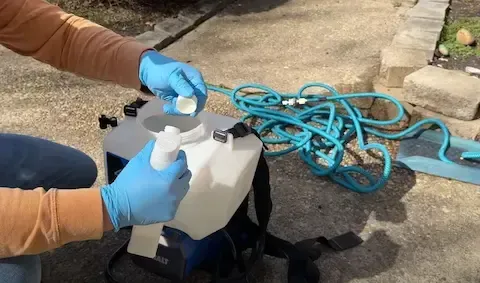
Fast, effective bed bug treatments using proven methods to eliminate infestations in Beloit homes and multi-family properties.

Targeted cockroach and German roach control addressing moisture-prone basements and commercial kitchens throughout Beloit.
Expert ant and carpenter ant removal protecting Beloit's wood structures from damage caused by southern Wisconsin ant species.
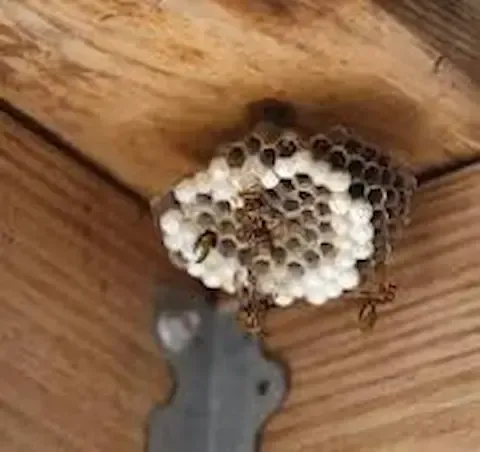
Professional wasp, hornet, and yellow jacket removal keeping Beloit families safe from aggressive stinging insects all season long.
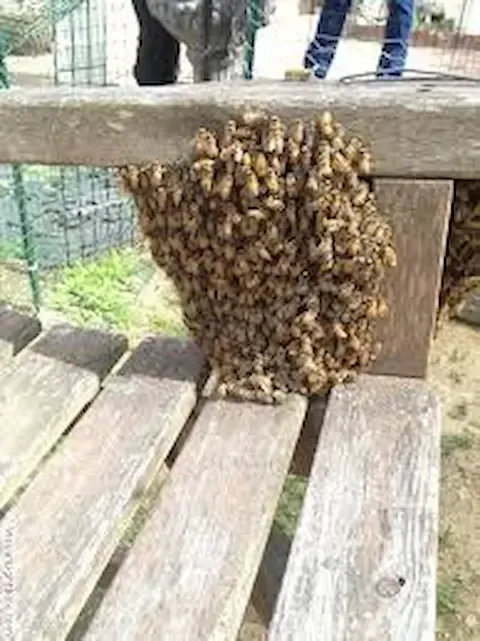
Humane bee removal and live relocation services preserving pollinators while protecting your Beloit property from unwanted colonies.
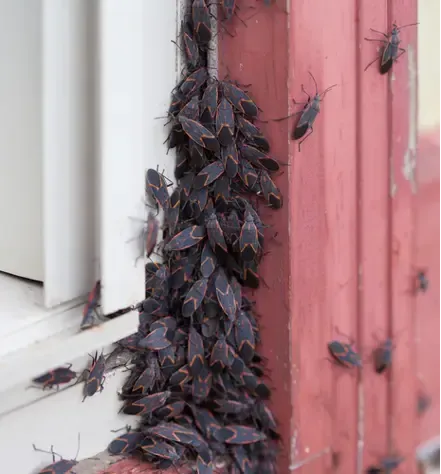
Specialized box elder bug and Asian beetle control preventing seasonal invasions common in Beloit's agricultural surroundings.
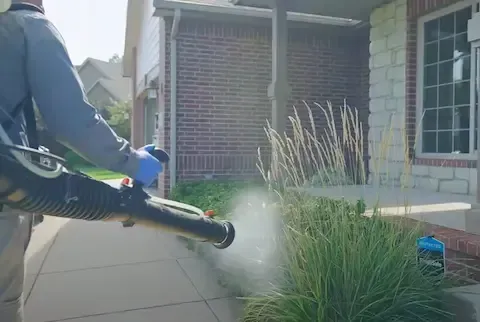
Seasonal mosquito and tick control programs protecting Beloit families from disease-carrying pests near Rock River wetland areas.
Frequently Asked Questions
Pest Control can be complex, and we’re here to provide answers to common questions. Here are some frequently asked questions from our clients.
Frequently Asked Questions about Pest Control
What are the most common pest problems in Beloit, Wisconsin?
Beloit homeowners face seasonal pest pressures driven by Wisconsin's climate extremes and Rock River proximity. Winter brings intense rodent invasions as mice and rats seek heated structures, while carpenter ants emerge each spring causing structural damage in older homes. Summer mosquito populations explode near the river, and fall triggers massive box elder bug and Asian beetle migrations from surrounding agricultural areas. Year-round issues include German roach infestations in multi-family properties, termite activity in moisture-prone foundations, and wildlife conflicts as raccoons and squirrels exploit attic access points in historic downtown homes.
When should I schedule preventive pest control in Beloit?
Optimal prevention timing in Beloit follows Wisconsin's seasonal pest patterns. Schedule rodent exclusion in October before winter drives mice indoors, mosquito and tick programs starting in May before populations peak, and box elder bug prevention in early September before fall invasions begin. Spring carpenter ant treatments in April target emerging colonies, while termite inspections work best in late April through May when swarmers appear. Year-round quarterly programs provide comprehensive protection addressing each season's unique challenges from winter rodents through fall overwintering pest invasions.
Are pest control treatments safe for pets and children?
Modern pest control products used by licensed professionals pose minimal risk when applied according to label directions and safety protocols. We use integrated pest management emphasizing non-chemical controls like exclusion and sanitation, then apply targeted treatments only where necessary. Interior applications typically require 2-4 hours before re-entry, while exterior barrier treatments dry within 30 minutes. We always explain safety precautions specific to your treatment, provide re-entry timing, and offer low-toxicity options for families with concerns about children, pets, or sensitive individuals.
How much does pest control cost in Beloit, WI?
Pest control costs vary based on property size, pest type, and infestation severity. General pest control treatments for average Beloit homes typically range $150-$300 per service, while specialized treatments like bed bug heat treatments ($1,500-$3,000), termite treatments ($1,200-$2,500), or wildlife exclusion ($400-$1,200) reflect the complexity and labor involved. Quarterly service programs offering year-round protection average $100-$150 per visit with seasonal adjustments. We provide free inspections with detailed estimates explaining recommended treatments, expected results, and warranty coverage before any work begins.
Do you offer same-day pest control service in Beloit?
Yes, we offer same-day service for pest emergencies throughout Beloit including active wasp nests threatening outdoor areas, bed bug discoveries requiring immediate attention, rodent infestations with visible activity, and wildlife entries posing safety concerns. Morning calls often receive same-day afternoon appointments based on technician availability and geographic routing. Non-emergency situations like preventive treatments, termite inspections, or seasonal programs typically schedule within 2-3 business days. Call early in the day for best same-day availability, or schedule emergency service for situations requiring immediate professional intervention.
What's included in a pest control inspection?
Comprehensive pest inspections examine all areas where pests commonly harbor or enter including basements, crawlspaces, attics, kitchens, bathrooms, and exterior perimeters. We identify current pest activity through evidence like droppings, damage patterns, or live sightings, locate entry points and conducive conditions supporting infestations, and assess structural vulnerabilities common in Beloit's older homes. Inspections include moisture evaluations for termites and roaches, exclusion assessments for rodents and wildlife, and vegetation reviews for mosquitoes and ticks. You receive detailed findings, treatment recommendations, cost estimates, and prevention advice specific to your property's unique challenges.
Frequently Asked Questions about Rodent Control & Exclusion
How do I know if I have mice or rats in my Beloit home?
Common rodent signs include droppings along baseboards and in cabinets (mouse droppings resemble rice grains, rat droppings are larger like raisins), gnaw marks on food packaging or structural wood, greasy rub marks along travel paths, scratching sounds in walls or ceilings especially at night, and nesting materials like shredded paper or insulation in hidden areas. Beloit homeowners often notice increased activity during fall when field mice migrate indoors, or discover evidence in basements near Rock River moisture sources. If you see droppings or hear scratching, call immediately for inspection before populations multiply—a single female mouse produces 5-10 litters annually.
What attracts rodents to homes in Beloit during winter?
Wisconsin's harsh winters drive rodents indoors seeking three essentials: warmth, food, and water. Beloit homes offer heated shelter from sub-zero temperatures, accessible food in kitchens and pantries, and water from condensation or leaks. Older homes downtown provide countless entry points through foundation cracks, gaps around utility penetrations, and deteriorated door sweeps. Agricultural surroundings create large field rodent populations that migrate toward structures as snow covers outdoor food sources. Rock River proximity increases basement moisture supporting water needs. Homes near farmland, with bird feeders, cluttered storage areas, or gaps larger than a dime face highest winter rodent pressure requiring proactive exclusion.
Can rodents cause damage to my Beloit home?
Yes, rodents cause serious structural and safety damage beyond contamination concerns. They gnaw constantly to control tooth growth, chewing through electrical wiring creating fire hazards, damaging insulation reducing energy efficiency, and destroying stored items in attics and basements. Mice and rats contaminate food with droppings and urine carrying diseases like hantavirus and salmonella, while their nesting materials attract secondary pests like mites and beetles. In Beloit's older homes, rodents accelerate deterioration by gnawing through historic trim, damaging vapor barriers, and creating new entry points through repetitive gnawing. Water pipes, HVAC ducts, and foundation insulation all suffer rodent damage requiring costly repairs beyond pest control treatments.
How long does rodent exclusion take in Beloit homes?
Comprehensive rodent exclusion typically requires 2-6 hours depending on home size, construction age, and vulnerability quantity. Older Beloit homes often need extensive sealing addressing foundation cracks, gaps around utility lines, deteriorated door sweeps, and soffit openings. We seal entry points using materials matched to your home's construction—copper mesh for larger gaps, expandable foam for irregular spaces, and metal flashing for foundation areas. Treatment effectiveness appears within 7-10 days as current populations deplete without new entries, though trapping interior rodents may continue 2-3 weeks. Most Beloit homes achieve rodent-free status within one month of exclusion completion, with annual inspections recommended to address new gaps from seasonal freeze-thaw damage.
How much does rodent control cost in Beloit?
Rodent control costs in Beloit typically range from $250-$500 for initial treatment combining inspection, exclusion sealing, and trap or bait station placement, depending on home size and infestation severity. Most residential properties fall in the $300-$400 range covering 2-4 hours of professional work plus materials. Recurring quarterly service maintaining protection costs $75-$125 per visit. Extensive exclusion projects on older Beloit homes with multiple entry points may reach $600-$900 when significant sealing and repair work is required. Commercial properties cost more based on square footage and complexity. Cost factors include home age (older downtown homes require more sealing), property type (rural agricultural properties face heavier pressure), and accessibility (crawlspaces and attics increase labor). Most situations resolve with one comprehensive visit plus a 2-week follow-up, making professional treatment more cost-effective than repeated DIY attempts that rarely solve underlying entry point problems.
What's the difference between mice and rat infestations in Beloit?
Mice and rats require different control approaches due to behavioral and biological differences. House mice (most common in Beloit) are small (2-3 inches body length), produce rice-sized droppings, travel only 10-30 feet from nesting sites, and reproduce rapidly with 5-10 litters annually. Norway rats are larger (7-10 inches body length), produce raisin-sized droppings, travel up to 300 feet from harborage, and prefer ground-level burrows and basements. Mice squeeze through dime-sized openings while rats need quarter-sized gaps, affecting exclusion approaches. Mice infestations typically involve larger numbers (20-30+ from a single source) while rat populations grow more slowly but cause more severe structural damage. Beloit sees primarily mice with occasional Norway rats near commercial areas, downtown alleyways, and properties bordering agricultural land. Treatment differs—mice respond well to snap traps and bait stations while rats often require larger traps and more cautious approaches overcoming their neophobic (new object fear) behavior.
Do you use poison or snap traps for rodent removal?
We tailor rodent removal methods to your situation, preferences, and family considerations. Snap traps work fastest for known interior infestations providing immediate kills without poisoned rodents dying in walls causing odor problems. Tamper-resistant exterior bait stations using anticoagulant baits work well for ongoing protection along home perimeters where pets and children can't access poison. Glue boards serve specialized situations like garages or commercial spaces requiring monitoring. For homes with pets, children, or anti-poison preferences, we use exclusively mechanical traps. For severe infestations, we combine methods—interior traps for current rodents plus exterior bait stations preventing future entries. We never recommend interior poison placement which risks rodents dying inaccessibly in wall voids creating weeks of odor and secondary pest issues. Treatment selection happens during your initial inspection based on what we find and your household needs, with full transparency about products used and locations treated throughout the process.
How often should I schedule rodent treatments in Beloit?
Most Beloit homes benefit from quarterly rodent prevention service maintaining bait stations, monitoring trap activity, and inspecting for new entry points caused by seasonal freeze-thaw damage. Spring service addresses overwintered populations and seals winter damage, summer monitoring catches early activity before fall migrations, fall service is critical as field rodents move toward heated structures before first frost, and winter inspections verify interior protection during peak pressure season. One-time treatments work for isolated incidents but rarely prevent reinfestation given Beloit's agricultural surroundings constantly producing new rodent populations seeking shelter. Homes near farms, with bird feeders, gardens, or storage areas particularly benefit from year-round prevention programs. Older homes downtown with countless gaps require ongoing attention. Annual contracts cost less than emergency response calls and prevent damage and contamination that develops between treatments. Many Beloit families schedule fall service specifically before winter migration when most rodent introductions occur.
Will rodents come back after treatment?
Without proper exclusion and ongoing prevention, rodents return regularly given Beloit's constant outdoor pressure from agricultural surroundings and Rock River habitats. Initial treatment kills current populations but external rodents continually attempt entry seeking warmth, food, and water. Reentry timing depends on exclusion thoroughness—complete sealing of all openings larger than a dime prevents most reinfestation, while incomplete sealing allows new rodents to find existing gaps within weeks. Older Beloit homes develop new vulnerabilities annually as freeze-thaw cycles crack foundations, weather damages door sweeps, and settling creates gaps. Maintenance service catching these developments preserves protection. Properties with bird feeders, gardens, or compost piles attract rodents continuously requiring habitat modification beyond exclusion alone. We back exclusion work with guarantees, returning at no charge if rodents breach completed exclusion areas within warranty periods. Quarterly maintenance is the most reliable approach preventing small reintroductions that develop into infestations between annual treatments.
Call for Rodent Exclusion Today
What Our Satisfied Clients Have to Say About Beloit Pest Control
We pride ourselves on delivering great results and experiences for each client. Hear directly from home and business owners who’ve trusted us with their Pest Control needs.

After discovering mice in our historic downtown home, the team responded same day, identified entry points we never knew existed, and sealed everything thoroughly. Haven't seen any rodent evidence since the exclusion work was completed.
Sarah M.
The mosquito control program completely changed our summer experience. We can actually enjoy our backyard near the river now without being eaten alive. Monthly treatments are worth every penny for the outdoor living we've gained.
Mike and Jennifer R.
Professional, knowledgeable service from start to finish. They explained the carpenter ant treatment process clearly, addressed all our questions, and followed up to ensure the problem was completely resolved. Highly recommend for any Beloit pest issues.
David L.
The Trusted Pest Control Expert Near You
Ready to hear more about expert services at Beloit Pest Control?
Contact us today to receive a detailed, no-obligation quote.
Having a pest control emergency? Read more about steps to take here.
Beloit, WI & the Surrounding Area
Mon-Sat 8-5pm
