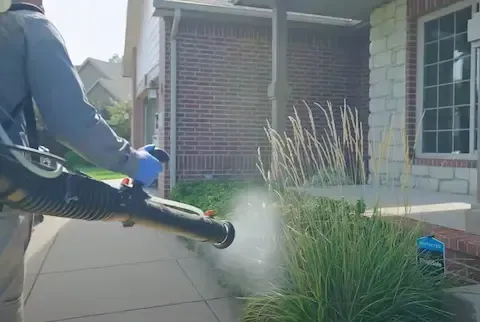
Pest Help in Beloit Neighborhoods East Side to Riverside
Beloit spans more terrain than most people realize when they think about pest pressure. From the older bungalows clustered near the Rock River on the East Side to the newer construction pushing west toward the county line, the age of a home, the surrounding landscape, and even the soil composition under the foundation all shape what pests show up and when. A single spray approach does not work the same way across every block in this city. What a technician finds under a Riverside porch in April looks very different from what turns up in a Westside garage crawl space by September.
What the East Side of Beloit Deals With Most
The East Side carries the character of a mid-century neighborhood — mature trees, older sewer lines, homes with original foundations, and lots of history packed into relatively small lots. That combination creates specific pest patterns that repeat season after season. Carpenter ants are a consistent problem here because mature trees hold moisture in their root systems and large limbs overhang rooflines. When branches contact a fascia board or soffit, ants treat that as a bridge directly into the structure.
Basement moisture is another recurring factor. Older homes with block foundations often see moisture intrusion that encourages silverfish, earwigs, and occasional centipedes. These are not dangerous insects, but their presence signals a moisture condition worth addressing alongside any treatment. Mice are also active on the East Side from late October through February, using gaps around aging utility penetrations and deteriorated weatherstripping to get inside before temperatures drop hard.
Riverside Properties and What Water Proximity Brings
Homes near the Rock River face a different kind of pressure. Standing water and saturated soil after rain events create ideal conditions for mosquitoes. The window between mid-May and late July is when populations spike most sharply along the Riverside corridor. If your yard backs up to any kind of drainage easement or holds low spots that pool after rain, that is where breeding happens fastest.
Beyond mosquitoes, river-adjacent properties in Beloit also see higher activity from ground-nesting yellow jackets in summer and nuisance wildlife looking for high ground during wet stretches. Groundhogs are more common here than residents often expect, and they can undermine landscaping and fence lines if a burrow goes unaddressed. The spring shoulder season — roughly March through early May — is when catching a new burrow early saves the most damage.
Westside Beloit and Newer Construction Gaps
It is tempting to assume that newer homes on the Westside are insulated from pest issues. In practice, new construction creates its own vulnerabilities. Builder-grade weatherstripping compresses faster. Utility penetrations are punched through quickly and sometimes left with oversized gaps around conduit and pipe. Landscaping installed at time of sale often includes mulch beds pushed directly against the foundation — a situation that is essentially an invitation for ants, pill bugs, and clover mites to establish a foothold.
Stink bugs have become more noticeable on the Westside over the past few years. They aggregate on south-facing walls in late September and work their way inside through any gap they can find around window frames and exterior trim. The smell they release when disturbed is not harmful, but a large aggregation inside a wall void is unpleasant throughout winter. Timing treatment before they cluster makes removal significantly easier.
Seasonal Timing That Applies Across All Beloit Neighborhoods
Rock County has a compressed active pest season compared to states further south, which means timing matters more here. The period from early April through mid-October covers most of the significant pest activity in Beloit. Within that window, there are reliable peaks worth planning around.
- April through May: Ants emerge and begin foraging, overwintering mice push activity as warmth drives movement, and stinging insect queens begin nesting.
- June through August: Mosquito season peaks, yellow jacket colonies reach their most aggressive size, and spider populations increase in and around foundations.
- September through October: Stink bugs and boxelder bugs aggregate and attempt entry. Mice begin their fall push indoors as overnight temperatures drop.
- November through March: Primarily mouse and rat activity indoors. Some overwintering insects in attic spaces. Minimal exterior pest pressure.
Understanding this rhythm helps you schedule service at the right time rather than reacting after a problem has already established. A preventative treatment in late March addresses ant colonies before they reach foraging size. A perimeter application in early September targets overwintering insects before they breach the exterior.
What Local Technicians Pay Attention To
When a technician works through a Beloit property, the inspection is as important as the treatment itself. The specific details of a property — slope, soil type, proximity to trees or water, foundation construction, exterior gap locations — determine what products are appropriate and where they need to be applied. A cookie-cutter program does not account for the difference between a Riverside home on a slab with river-facing exposure and an East Side two-story with a full basement and mature oak canopy overhead.
If you want a broader overview of what pest pressure looks like across Rock County and how extension resources inform local treatment decisions, the our local pest control overview covers that context in detail.
The most useful thing you can communicate to a technician before service is what you have already noticed — where you see activity, when it started, and what parts of the home feel most affected. That detail shapes a more precise response than a standard perimeter spray without site context.
Getting the Right Coverage for Your Street
Pest pressure in Beloit is real and consistent, but it is also manageable when you understand what your specific neighborhood faces and when to act. Whether you are dealing with a mouse problem in an older East Side home, mosquito pressure along the Riverside corridor, or stink bugs clustering around a Westside window frame every fall, the response needs to fit the situation.
When you are ready to address what you are seeing, connecting with a local crew that knows Beloit's neighborhoods makes a difference. For pest control that accounts for Rock County conditions and your specific property layout, working with someone who services this area regularly is worth the call.
