
Wildlife Removal & Animal Control in Beloit, WI
Humane Wildlife Removal Services
Beloit's mix of urban development, Rock River corridor, and surrounding agricultural land creates perfect habitat for wildlife conflicts. Raccoons tear through soffit vents seeking attic den sites, squirrels chew through historic home trim to access crawlspaces, bats colonize older structures downtown, and snakes seek basement foundations near the river. Our wildlife removal specialists operate under Wisconsin DNR regulations ensuring humane handling, understand bat maternity colony restrictions from May through August, and recognize the structural vulnerabilities in Beloit's older housing stock that wildlife exploit. We provide complete exclusion work after removal, preventing re-entry through the same access points.
What wildlife removal costs depends on four factors specific to your situation. First, which species and whether young are present: a single raccoon denning under a deck is straightforward, but a nursing female with kits in the attic during spring requires timing the work around Wisconsin DNR restrictions. Second, whether contamination cleanup is needed. Raccoon latrines accumulate feces carrying Baylisascaris roundworm eggs, and bat colonies deposit guano that creates histoplasmosis risk. Insulation replacement after contamination is a separate scope from the removal itself. Third, access difficulty: a ground-level skunk den is simpler than a bat colony entry point three stories up at a gable peak. Fourth, whether the entry is a single gap or a colony has established multiple access points requiring comprehensive sealing.
Free wildlife removal is generally not a real offer despite what some searches suggest. Professional handling, species-appropriate exclusion devices, contamination assessment, and permanent entry point repair all carry real costs. We are upfront about scope and quote before work begins.
Wisconsin DNR bat regulations prohibit exclusion from May 15 through August 15 during maternity season when flightless pups are present. Illinois has similar restrictions. Attempting exclusion during this window traps young inside, creating die-off and secondary pest problems that cost more to resolve than waiting for legal timing. We schedule bat work for spring before May 15 or fall after August 15. The Rock River corridor and mature tree canopy throughout Beloit create roofline bridges that give squirrels and raccoons easy access to structures with overhanging branches.
What's Included in our Wildlife Removal service?
Raccoon and Squirrel Removal
Raccoons and squirrels cause the most structural damage of any wildlife species in Rock County, and both use overhanging tree branches as roofline bridges to access structures. Raccoons tear through soffits, roof edges, and gable vents to access attics, establishing latrines in the same locations repeatedly that accumulate contaminated insulation. Raccoon feces carries Baylisascaris roundworm eggs that remain viable in soil and attic insulation for years, creating serious health hazard that requires professional cleanup with respirator protection. Squirrels gnaw constantly, damaging fascia boards, roof decking, wiring that creates fire hazard, and stored items in attics. Our removal service includes live trapping with appropriate Wisconsin DNR and Illinois DNR permits, one-way exclusion devices where appropriate, professional entry point repair using materials animals cannot penetrate, and contamination assessment with cleanup recommendations. We identify and recommend trimming roofline bridges where overhanging branches provide direct access.
Bat Exclusion
Big brown bats and little brown bats colonize Beloit attics through gaps as small as three-eighths inch at roof edges, ridge vents, gable vents, soffit gaps, and chimney flashing. Colonies grow over years as bats return to the same roost annually, accumulating guano that creates histoplasmosis spore risk when disturbed and permeates insulation with persistent ammonia odor. Our bat exclusion installs one-way devices at primary exit points allowing bats to leave normally while preventing return, then seals all secondary entry points permanently. Work must occur outside the May 15 to August 15 maternity season when flightless pups are present, or exclusion traps young inside to die.
Dead Animal Removal
Dead animals in walls, crawlspaces, attics, chimneys, and under decks create intense odor that permeates living spaces and attract secondary pests including blow flies, carpet beetles, dermestid beetles, and other scavengers. Odor intensity typically peaks within a few days and persists for weeks depending on animal size and environmental conditions. Locating carcasses inside wall cavities often requires thermal imaging, borescope inspection, or following fly activity patterns through trial openings. Our dead animal removal service extracts the carcass through the least invasive access method possible. We identify how the animal entered and died there to prevent the same situation from recurring with other wildlife, since open entry points will attract new animals.
Serving Beloit and Surrounding Communities
Protecting Beloit Homes from Wisconsin Pests
Our pest control services extend throughout Rock County communities facing similar challenges from agricultural surroundings, seasonal Wisconsin pest pressures, and older housing stock requiring specialized treatment approaches.
Proudly serving Janesville, Clinton, South Beloit,
Rockton, Rockford, Loves Park, Rockford, Machesney Park and Afton for 20+ years.
Comprehensive Pest Control Services in Beloit
Tailored to Your Needs
Whether you're battling winter rodent invasions, discovering termite damage in your historic home, or dealing with seasonal mosquito swarms near Rock River, we deliver comprehensive pest solutions designed for Beloit's unique challenges and Wisconsin's extreme climate conditions.
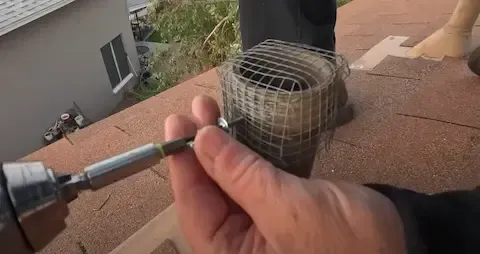
Protect your Beloit home from rodents with expert exclusion services that address Wisconsin's harsh winter intrusion patterns.
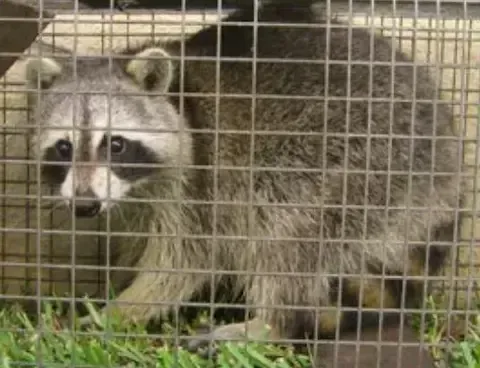
Safe wildlife removal for raccoons, squirrels, bats, and snakes throughout Beloit, including humane dead animal removal services.
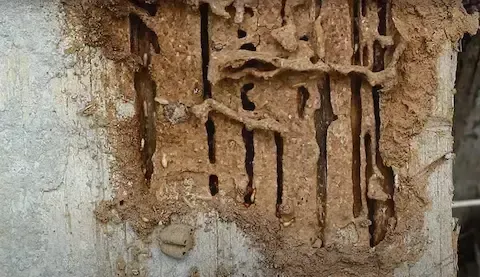
Comprehensive termite inspections and treatments designed for Wisconsin's subterranean termite challenges in Beloit's older homes.
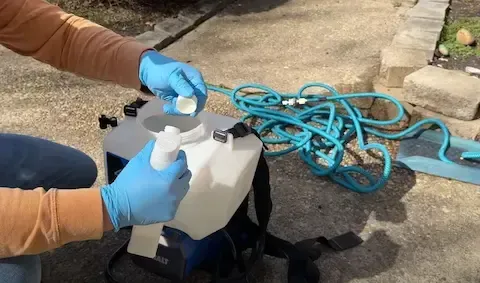
Fast, effective bed bug treatments using proven methods to eliminate infestations in Beloit homes and multi-family properties.
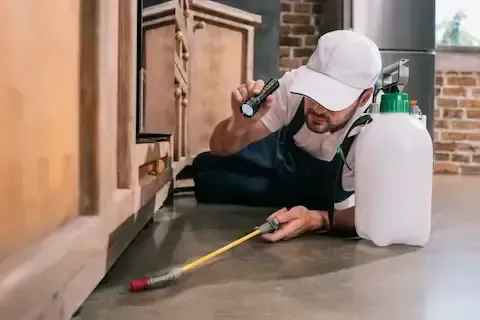
Targeted cockroach and German roach control addressing moisture-prone basements and commercial kitchens throughout Beloit.
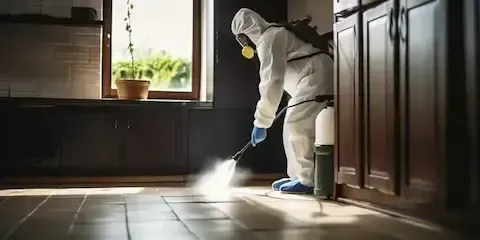
Expert ant and carpenter ant removal protecting Beloit's wood structures from damage caused by southern Wisconsin ant species.
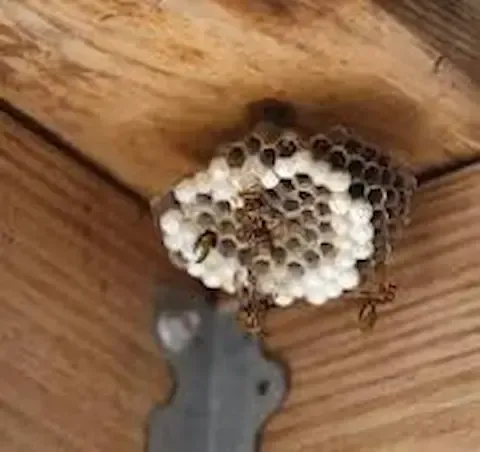
Professional wasp, hornet, and yellow jacket removal keeping Beloit families safe from aggressive stinging insects all season long.
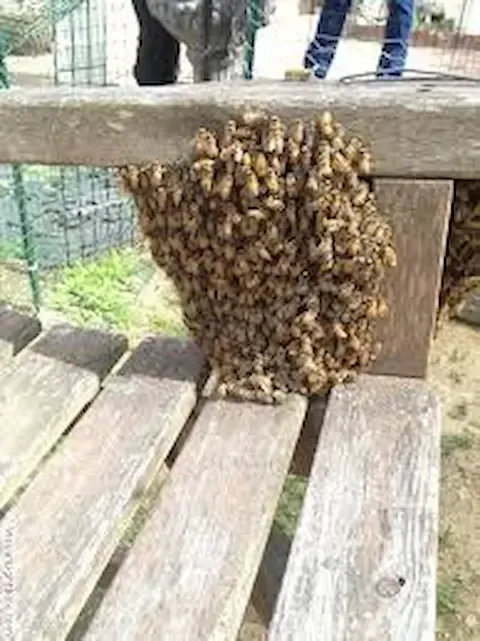
Humane bee removal and live relocation services preserving pollinators while protecting your Beloit property from unwanted colonies.
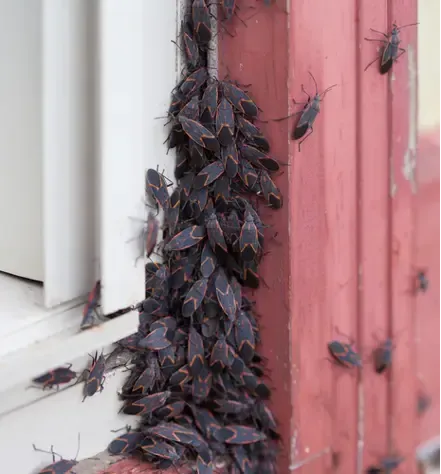
Specialized box elder bug and Asian beetle control preventing seasonal invasions common in Beloit's agricultural surroundings.
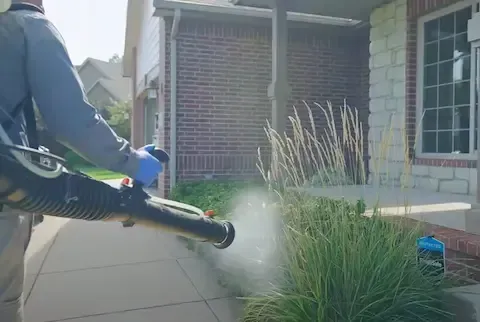
Seasonal mosquito and tick control programs protecting Beloit families from disease-carrying pests near Rock River wetland areas.
Frequently Asked Questions
Pest Control can be complex, and we’re here to provide answers to common questions. Here are some frequently asked questions from our clients.
Frequently Asked Questions about Pest Control
What are the most common pest problems in Beloit, Wisconsin?
Beloit homeowners face seasonal pest pressures driven by Wisconsin's climate extremes and Rock River proximity. Winter brings intense rodent invasions as mice and rats seek heated structures, while carpenter ants emerge each spring causing structural damage in older homes. Summer mosquito populations explode near the river, and fall triggers massive box elder bug and Asian beetle migrations from surrounding agricultural areas. Year-round issues include German roach infestations in multi-family properties, termite activity in moisture-prone foundations, and wildlife conflicts as raccoons and squirrels exploit attic access points in historic downtown homes.
When should I schedule preventive pest control in Beloit?
Optimal prevention timing in Beloit follows Wisconsin's seasonal pest patterns. Schedule rodent exclusion in October before winter drives mice indoors, mosquito and tick programs starting in May before populations peak, and box elder bug prevention in early September before fall invasions begin. Spring carpenter ant treatments in April target emerging colonies, while termite inspections work best in late April through May when swarmers appear. Year-round quarterly programs provide comprehensive protection addressing each season's unique challenges from winter rodents through fall overwintering pest invasions.
Are pest control treatments safe for pets and children?
Modern pest control products used by licensed professionals pose minimal risk when applied according to label directions and safety protocols. We use integrated pest management emphasizing non-chemical controls like exclusion and sanitation, then apply targeted treatments only where necessary. Interior applications typically require 2-4 hours before re-entry, while exterior barrier treatments dry within 30 minutes. We always explain safety precautions specific to your treatment, provide re-entry timing, and offer low-toxicity options for families with concerns about children, pets, or sensitive individuals.
How much does pest control cost in Beloit, WI?
Pest control costs vary based on property size, pest type, and infestation severity. General pest control treatments for average Beloit homes typically range $150-$300 per service, while specialized treatments like bed bug heat treatments ($1,500-$3,000), termite treatments ($1,200-$2,500), or wildlife exclusion ($400-$1,200) reflect the complexity and labor involved. Quarterly service programs offering year-round protection average $100-$150 per visit with seasonal adjustments. We provide free inspections with detailed estimates explaining recommended treatments, expected results, and warranty coverage before any work begins.
Do you offer same-day pest control service in Beloit?
Yes, we offer same-day service for pest emergencies throughout Beloit including active wasp nests threatening outdoor areas, bed bug discoveries requiring immediate attention, rodent infestations with visible activity, and wildlife entries posing safety concerns. Morning calls often receive same-day afternoon appointments based on technician availability and geographic routing. Non-emergency situations like preventive treatments, termite inspections, or seasonal programs typically schedule within 2-3 business days. Call early in the day for best same-day availability, or schedule emergency service for situations requiring immediate professional intervention.
What's included in a pest control inspection?
Comprehensive pest inspections examine all areas where pests commonly harbor or enter including basements, crawlspaces, attics, kitchens, bathrooms, and exterior perimeters. We identify current pest activity through evidence like droppings, damage patterns, or live sightings, locate entry points and conducive conditions supporting infestations, and assess structural vulnerabilities common in Beloit's older homes. Inspections include moisture evaluations for termites and roaches, exclusion assessments for rodents and wildlife, and vegetation reviews for mosquitoes and ticks. You receive detailed findings, treatment recommendations, cost estimates, and prevention advice specific to your property's unique challenges.
Frequently Asked Questions about Wildlife Removal
What wildlife commonly enters Beloit homes and buildings?
Beloit's urban-rural interface creates conflicts with raccoons, squirrels, bats, and occasionally snakes seeking shelter or denning sites. Raccoons tear through soffit vents and roof edges accessing attics for winter denning and spring birthing, often causing insulation damage and contamination. Gray and fox squirrels chew trim boards and fascia entering attics and wall voids, with peak activity during spring and fall nesting periods. Little brown bats and big brown bats colonize older structures downtown forming maternity colonies from May through August. Garter snakes and northern water snakes occasionally enter basements near Rock River seeking rodent prey or overwintering sites. All require species-specific removal approaches following Wisconsin DNR regulations.
Is wildlife removal humane and legal in Wisconsin?
Wisconsin DNR regulations require humane handling and specific timing restrictions for wildlife removal. Bats cannot be excluded during maternity season (May 15-August 15) when flightless pups would be trapped and die, requiring careful timing of exclusion work. Raccoons with dependent young require live trapping the family unit together or delayed removal until pups are mobile. Squirrels, while not protected, benefit from humane one-way door exclusion allowing exit without re-entry rather than potentially separating mothers from young. Our removal methods prioritize animal welfare using live traps, exclusion devices, and timing considerations meeting both legal requirements and ethical standards while permanently solving your wildlife conflict.
How do you remove dead animals from walls or crawlspaces?
Dead animal removal requires locating the carcass using odor tracking, moisture detection, and knowledge of common death locations within structures. We often find deceased animals in wall cavities near entry points, crawlspace corners, or insulation where they became trapped or poisoned. Removal involves accessing the area through existing openings when possible, or cutting minimal access holes in drywall or foundation that we repair after removal. We extract remains using protective equipment, then sanitize affected areas with antimicrobial treatments eliminating bacteria and odor-causing compounds. Disposal follows Wisconsin regulations for wildlife remains, and we identify how the animal entered to prevent recurrence. Complete odor elimination typically requires 1-2 weeks after removal and sanitization.
What damage can raccoons cause in Beloit attics?
Raccoons cause extensive attic damage through their size, strength, and denning behavior. They tear apart insulation creating nesting areas, flatten and compress insulation reducing R-value significantly, and establish latrine sites contaminating areas with feces and urine carrying raccoon roundworm and other pathogens. Raccoons rip through soffit vents, fascia boards, and roof edges enlarging entry points from initial damage, often destroying architectural details on historic Beloit homes. Their weight damages ceiling joists and drywall, sometimes creating visible sag or actual breaches into living spaces. Females birthing young create more extensive nesting damage, while males marking territory spread urine throughout attic spaces requiring complete insulation replacement in affected areas beyond simple cleanup.
How much does wildlife removal cost in Beloit?
Wildlife removal costs in Beloit typically range from $300-$800 depending on species, location, and exclusion requirements. Single raccoon removal from an attic averages $400-$600 including trapping, removal, sanitation, and entry point sealing. Bat colony exclusion costs $500-$1,500 based on colony size and number of access points requiring one-way doors and permanent sealing. Squirrel removal runs $300-$550 typically requiring one-way exclusion devices and entry repairs. Dead animal removal from walls or crawlspaces costs $200-$400 depending on access difficulty and decomposition stage requiring sanitation. Extensive damage repair adds costs beyond basic removal—severe attic contamination requiring insulation replacement and disinfection can reach $2,000-$5,000 for complete restoration. Insurance sometimes covers damage repair after wildlife removal documentation, though policies vary. We provide detailed estimates after initial inspection identifying species, access points, damage extent, and complete remediation requirements. Most situations resolve in one to three visits including initial work, monitoring, and final exclusion verification.
How do you remove bats from a Beloit attic?
Bat removal requires specialized techniques meeting Wisconsin DNR regulations and avoiding the May 15-August 15 maternity season when flightless pups would be trapped and die. We start with thorough inspection identifying primary entry points and assessing colony size through guano accumulation, staining around exits, and evening emergence observations. One-way exclusion devices installed over primary entries allow bats to exit normally but prevent reentry, naturally evacuating the colony over 5-14 days. After confirming complete evacuation, we permanently seal all openings using bat-grade materials preventing future colonization. Guano cleanup follows requiring HEPA vacuum systems, antimicrobial treatments addressing histoplasmosis risk from bat droppings, and damaged insulation replacement. Multiple Beloit older homes harbor little brown bats and big brown bats requiring this systematic approach. Killing bats is prohibited in Wisconsin and counterproductive—proper exclusion permanently solves the problem while protecting these beneficial insectivores that consume thousands of mosquitoes nightly during summer.
Can squirrels chew through my roof?
Yes, squirrels readily chew through roof materials gaining attic access especially in older Beloit homes with weathered wood, deteriorated soffits, and aging fascia. Gray and fox squirrels gnaw constantly to control tooth growth, easily penetrating cedar shake roofs, damaged shingles around vents, weathered fascia boards, and rotted soffit panels. Roof edge areas where shingles meet siding create common entry points after wind or weather damage. Once inside, squirrels expand entries with continued gnawing, damage insulation creating nesting areas, and chew electrical wiring creating fire hazards. Spring and fall mating seasons bring peak roof damage as squirrels seek nesting sites. Prevention requires maintaining roof integrity, trimming tree branches at least 8-10 feet from rooflines preventing direct access, sealing soffit vents with metal mesh, and addressing rotted wood before squirrels exploit weaknesses. Already-present squirrels require exclusion using one-way doors after confirming no nesting young, followed by permanent entry sealing with heavy gauge metal flashing squirrels can't gnaw through.
Do you repair damage caused by wildlife in Beloit?
We provide complete entry point repair and exclusion as part of wildlife removal service, including sealing soffit damage, repairing fascia boards, installing chimney caps, sealing foundation openings, and reinforcing vents with appropriate materials. Standard repairs covering entry damage are typically included in removal pricing. Extensive interior restoration—insulation replacement after raccoon contamination, drywall repair after dead animal extraction, or major structural repair after extended infestations—requires specialized contractors we can recommend or coordinate with. Insurance often covers significant damage repair after wildlife removal, particularly when policies include animal damage provisions, though coverage varies significantly between providers. We provide detailed damage documentation supporting insurance claims including photographs, professional assessment, and removal verification. Working with Beloit-area contractors familiar with historic home preservation matters for downtown properties where repairs must match original construction. Most wildlife-related repairs combine our exclusion work with possible contractor involvement for significant structural restoration, with insurance coverage offsetting costs in many situations.
When is the best time of year for wildlife removal in Beloit?
Wildlife removal timing depends on species and life cycle considerations rather than simple seasonal preferences. Bat exclusion must avoid May 15-August 15 maternity season when flightless pups would die from separation from mothers exiting through one-way doors. Raccoon removal during March-June birthing season requires careful assessment ensuring mother-baby families are removed together rather than separating dependent young. Squirrel removal works year-round but spring (March-May) and fall (August-October) breeding seasons create more complex situations requiring assessment for nesting young. Generally, late summer (August-September after bat maternity ends) and fall (September-November before winter denning intensifies) provide ideal exclusion timing when populations are at peak adult ratios with minimal dependent young. Winter creates urgency as wildlife actively seeks heated shelter, but excluding denning families from harsh conditions raises welfare considerations. Emergency situations regardless of season require immediate response, but planned exclusion work benefits from species-appropriate timing. We assess each situation determining ideal approach considering wildlife welfare, regulatory requirements, and effectiveness.
Call for Wildlife Removal Now
What Our Satisfied Clients Have to Say About Beloit Pest Control
We pride ourselves on delivering great results and experiences for each client. Hear directly from home and business owners who’ve trusted us with their Pest Control needs.

After discovering mice in our historic downtown home, the team responded same day, identified entry points we never knew existed, and sealed everything thoroughly. Haven't seen any rodent evidence since the exclusion work was completed.
Sarah M.
The mosquito control program completely changed our summer experience. We can actually enjoy our backyard near the river now without being eaten alive. Monthly treatments are worth every penny for the outdoor living we've gained.
Mike and Jennifer R.
Professional, knowledgeable service from start to finish. They explained the carpenter ant treatment process clearly, addressed all our questions, and followed up to ensure the problem was completely resolved. Highly recommend for any Beloit pest issues.
David L.
The Trusted Pest Control Expert Near You
Ready to hear more about expert services at Beloit Pest Control?
Contact us today to receive a detailed, no-obligation quote.
Having a pest control emergency? Read more about steps to take here.
Beloit, WI & the Surrounding Area
Mon-Sat 8-5pm
