Rodent Emergency in Beloit Homes: Immediate Control & Damage Prevention
When you hear scratching behind the walls at 2 a.m. or discover chewed wiring in your basement, you are dealing with more than a minor inconvenience. A rodent emergency in Beloit demands immediate attention because mice and rats reproduce rapidly, contaminate food sources, and cause structural damage that can threaten the safety of your home. Southern Wisconsin homeowners face elevated rodent pressure during fall and winter months when dropping temperatures along the Rock River corridor drive mice and rats indoors seeking warmth, food, and shelter.
Beloit's older housing stock, particularly in the historic downtown neighborhoods and areas near the Beloit Iron Works district, presents unique vulnerabilities. Pre-1950s construction methods often leave gaps around foundations, utility penetrations, and rooflines that rodents exploit with ease. A mouse can squeeze through an opening the size of a dime, while rats need only a quarter-sized gap to gain entry. Understanding the urgency of rodent infestations and knowing how to respond can mean the difference between a contained problem and a full-scale invasion that costs thousands in repairs. If you are hearing scratching in the walls right now, rodent control can stop the damage before it spreads.
Why Rodent Emergencies in Beloit Require Immediate Action
Rodents are not pests that you can afford to ignore or address at your leisure. Every day that mice or rats remain in your Beloit home, the problem compounds. A single pair of house mice can produce up to 60 offspring per year under favorable conditions, and those offspring reach reproductive maturity within six to eight weeks. What starts as two mice behind your kitchen cabinets can escalate into dozens within a few months.
The health risks associated with rodent infestations are significant. Mice and rats in Rock County carry pathogens responsible for hantavirus, salmonellosis, and leptospirosis. Their droppings contaminate pantry items, countertops, and food preparation surfaces. Dried rodent urine and feces become airborne particulates that family members inhale, which is particularly dangerous for children, elderly residents, and anyone with respiratory conditions.
Beyond health concerns, rodents cause extensive property damage. Rats and mice gnaw continuously to wear down their ever-growing incisors, and they do not discriminate between materials. Electrical wiring, PEX plumbing, insulation, drywall, and even concrete are all targets. The National Fire Protection Association estimates that rodent-damaged wiring is responsible for roughly 20 percent of undetermined house fires in the United States. In Beloit's aging homes, where original knob-and-tube wiring may still be present in attics and walls, this risk is amplified considerably.
Identifying a Rodent Emergency vs. a Minor Problem
Not every mouse sighting constitutes an emergency, but certain signs indicate that you need professional mouse control intervention immediately. Understanding the difference helps Beloit homeowners prioritize their response appropriately.
Signs of an Active Emergency Infestation
Visible rodent droppings in multiple rooms signal an established population rather than a single scout. Mouse droppings are small, dark, and rod-shaped, roughly the size of a grain of rice. Rat droppings are significantly larger, about half an inch long, with blunt or pointed ends depending on the species. Finding fresh droppings that are dark and moist indicates current activity, while gray and crumbly droppings suggest older contamination.
Gnaw marks on food packaging, structural materials, or wiring represent another escalation indicator. Fresh gnaw marks appear lighter in color and become darker over time. If you discover chewed electrical wiring anywhere in your home, treat the situation as an immediate fire hazard and contact both an electrician and a pest control professional.
Audible sounds within walls, ceilings, and floors during nighttime hours confirm active movement. Scratching, squeaking, and scurrying noises that you hear from multiple locations suggest a population that has established runways throughout your home. Rodents are creatures of habit that follow the same pathways repeatedly, leaving grease marks along baseboards and walls where their oily fur contacts surfaces.
Nesting materials scattered in hidden areas confirm breeding activity. Rodents shred paper, fabric, insulation, and plant matter to construct nests in wall voids, attic spaces, basement corners, and behind appliances. Discovery of a nest with pink, hairless pups means the population is actively growing and professional intervention is essential.
Common Rodent Species in Beloit Homes
Southern Wisconsin hosts several rodent species that invade residential structures, and each requires slightly different control strategies. The house mouse is by far the most common indoor invader in Beloit. These small, gray-brown mice weigh roughly half an ounce and prefer to nest within wall voids close to food sources. They are curious by nature and will investigate new objects placed in their environment, which makes snap traps and bait stations effective when positioned correctly.
The white-footed mouse and deer mouse are more common in Beloit's suburban and rural fringe areas, particularly along Turtle Creek and near the wooded properties bordering Big Hill Park. These species carry heightened hantavirus risk and tend to nest in less-disturbed areas like attics, sheds, and garages. Their droppings require careful cleanup protocols to avoid inhaling contaminated particulates.
Norway rats represent the most destructive rodent species in Beloit. These large, brown rats weigh up to a pound and prefer ground-level habitation in basements, crawlspaces, and burrows along foundations. They are neophobic, meaning they avoid unfamiliar objects in their environment, which makes trapping more challenging and often requires a professional approach. Norway rats are strong swimmers and commonly travel through Beloit's storm drain system, particularly in neighborhoods adjacent to the Rock River and Turtle Creek.
Immediate Steps When You Discover a Rodent Emergency
Taking the right initial actions can slow the spread of an infestation and reduce health risks while you wait for professional rodent control service in Beloit.
Secure Your Food Supply
Transfer all pantry items into glass, metal, or heavy-duty plastic containers with tight-fitting lids. Rodents can chew through cardboard, thin plastic bags, and even some food-grade plastic containers. Pay particular attention to pet food, birdseed, and bulk grains, which are primary attractants. Remove fruit bowls from countertops and ensure garbage cans have secure lids. In Beloit homes with attached garages, check stored pet food and garden seed as these are common initial attractants that draw rodents closer to living spaces.
Identify and Document Entry Points
Conduct a careful exterior inspection of your foundation, looking for gaps around utility pipes, dryer vents, cable penetrations, and where the siding meets the foundation wall. Check garage door seals, basement window wells, and any area where different building materials meet. Mark or photograph each potential entry point. This documentation helps your pest control technician develop a comprehensive exclusion plan. In Beloit's older homes, common entry points include deteriorated mortar joints in brick foundations, gaps around original cast iron plumbing stacks, and openings where additions were joined to the original structure.
Set Up Initial Control Measures
While waiting for professional service, snap traps placed perpendicular to walls along observed runways can begin reducing the population. Position the trigger end of the trap against the wall, as rodents travel along edges rather than through open spaces. Use peanut butter, chocolate, or nesting material like cotton balls as bait. Avoid using poison bait products purchased from retail stores, as improper placement can endanger children, pets, and non-target wildlife. Additionally, poisoned rodents frequently die within wall voids, creating severe odor problems that persist for weeks in Beloit's humid summer conditions.
Professional Rodent Control Methods for Beloit Homes
Effective rodent elimination in Beloit requires an integrated pest management approach that addresses the current population, removes attractants, and seals the structure against future entry. A qualified pest control professional will implement a multi-phase strategy tailored to your specific situation.
Comprehensive Inspection and Assessment
Professional rodent control begins with a thorough inspection that goes far beyond what most homeowners can accomplish independently. Technicians examine attic spaces, crawlspaces, wall voids accessible through utility chases, and the entire building exterior. They identify active runways using ultraviolet light to detect urine trails, assess population density based on droppings volume and distribution, and determine which species are present. This assessment drives every subsequent treatment decision.
Strategic Trapping and Baiting Programs
Professional trapping programs utilize commercial-grade devices positioned according to established rodent behavior patterns. For mice, this typically involves placing multiple snap traps and tamper-resistant bait stations at intervals along confirmed runways, near nesting sites, and adjacent to food sources. For rats, larger devices and carefully secured bait stations are necessary. Tamper-resistant bait stations are critical in homes with children and pets because they prevent access to the rodenticide while remaining accessible to target rodents.
The number and placement of devices matters enormously. Professional programs for a typical Beloit home might deploy 20 to 40 devices for a moderate mouse infestation, repositioning them based on activity patterns observed during follow-up inspections. This density of coverage far exceeds what most homeowners attempt with a handful of store-bought traps.
Exclusion and Structural Sealing
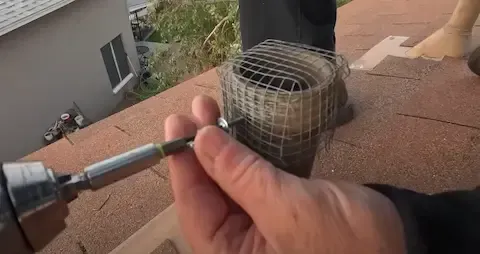
Trapping and baiting without exclusion is a temporary measure at best. Professional exclusion work seals every gap, crack, and opening that rodents use to enter your home. Materials vary by location and species. Steel wool combined with expanding foam seals small gaps around pipes and wiring. Hardware cloth or sheet metal covers larger openings like foundation vents and gaps at roofline intersections. Copper mesh stuffed into weep holes prevents entry while maintaining necessary ventilation.
Beloit homes present specific exclusion challenges. Properties along Bluff Street and the East Side neighborhoods often have limestone foundations with deteriorated mortar joints requiring specialized repointing. Homes in the Hackett Street area and near Horace White Park may have root cellars or coal chute openings that need custom fabricated covers. Professional exclusion addresses these structural realities rather than relying on generic solutions.
Sanitation and Contamination Cleanup
After the active infestation is controlled, contaminated areas require proper cleanup to eliminate health hazards and remove scent trails that attract new rodents. Professional cleanup protocols include HEPA vacuuming of droppings and nesting material, application of enzymatic cleaners to neutralize urine residue, and removal of heavily contaminated insulation. In attic spaces where rodents have nested extensively, complete insulation replacement may be recommended.
Preventing Future Rodent Emergencies in Your Beloit Home
Long-term rodent prevention requires ongoing attention to the conditions that attract and harbor these pests. Beloit's seasonal patterns create predictable pressure points that homeowners can prepare for proactively.
Seasonal Prevention Calendar for Southern Wisconsin
September through November represents the highest-risk period for rodent entry in Beloit as temperatures drop and natural food sources diminish. Schedule a professional inspection and exclusion service in early September before migration pressure begins. Check and replace weather stripping on all exterior doors, ensure garage door seals contact the floor completely, and verify that foundation vent screens are intact.
During winter months, monitor for signs of indoor activity even in homes that have received exclusion treatment. Heavy snow loads can shift foundations slightly, opening new gaps. Wisconsin freeze-thaw cycles crack mortar and concrete, creating seasonal entry points that did not exist during fall inspections.
Spring cleanup should include removing debris that accumulated against the foundation during winter, trimming vegetation that contacts the structure, and inspecting areas where snow melt revealed soil erosion near the foundation. Summer maintenance focuses on managing exterior attractants, keeping grass trimmed near the foundation, and ensuring compost bins and gardens do not create harborage adjacent to the home.
Landscape and Exterior Management
The condition of your property's exterior directly influences rodent pressure on your home. Maintain a vegetation-free zone extending at least 18 inches from the foundation. Stack firewood at least 20 feet from the house and elevate it off the ground. Remove fallen fruit from ornamental trees promptly. Secure garbage cans with tight-fitting lids and clean them periodically to remove food residue. Bird feeders positioned near the home create a constant food source for rodents and should be relocated at least 30 feet from the structure or eliminated entirely during peak rodent season.
In Beloit neighborhoods along Turtle Creek and the Rock River, managing moisture around the foundation is particularly important. Norway rats are attracted to moist soil for burrowing, and properties with poor drainage, leaking hose bibs, or over-watered landscaping create ideal conditions adjacent to the home.
When to Call for Emergency Rodent Control in Beloit
Certain situations demand immediate professional response rather than a scheduled appointment. Contact us immediately if you discover chewed electrical wiring anywhere in your home, as this presents an active fire hazard. Rodent activity in areas where food is prepared or stored, particularly in commercial kitchens or restaurants in Beloit's downtown dining district, requires same-day treatment to maintain health code compliance.
Homes with immunocompromised residents, infants, or elderly family members should treat any confirmed rodent activity as an emergency due to elevated health risks from contaminated surfaces and airborne particulates. Similarly, discovery of rodent activity in HVAC ductwork or near water heaters and furnaces demands urgent attention because contaminated air circulates throughout the home and fire hazards increase near heat-producing appliances.
If you are experiencing a rodent emergency in your Beloit home, do not wait for the problem to resolve itself. Rodent populations only grow larger with time, damage accumulates daily, and health risks increase with every passing week. Professional rodent control delivers rapid population reduction, identifies and seals entry points specific to your home's construction, and establishes monitoring systems that catch new activity before it becomes another emergency.
