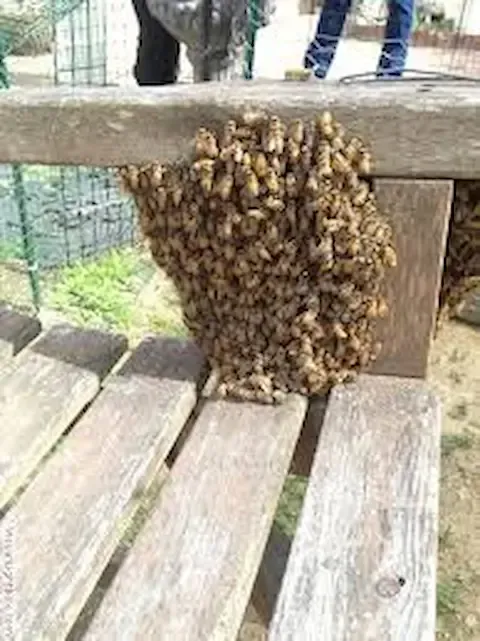
Live Honey Bee Swarm Removal in Beloit WI Trees and Walls
When a honey bee swarm appears on your property in Beloit, your immediate reaction might be to reach for insecticide or call the first pest control number you find. However, honey bees require a completely different approach than wasps or hornets. These beneficial pollinators can often be safely relocated rather than destroyed, and understanding the difference between removal and extermination could save you money while protecting Rock County's local ecosystem.
Understanding Honey Bee Swarms in Beloit
Honey bee swarms typically occur during spring and early summer when established colonies outgrow their current location. A swarm consists of thousands of worker bees along with their queen, clustering together while scout bees search for a new nesting site. In Beloit, these swarms commonly appear on tree branches, building siding, mailboxes, and occasionally inside wall cavities of homes and businesses.
Unlike aggressive wasps, swarming honey bees are generally docile because they have no established hive to defend. The bees gorge themselves with honey before leaving their original nest, making them less likely to sting unless directly threatened. This temporary state makes swarm removal much safer than dealing with an established hive.
Rock County's diverse landscape of urban areas mixed with agricultural land creates ideal conditions for bee populations. The abundance of flowering plants in Beloit's parks, gardens, and surrounding farmland supports healthy bee colonies, which occasionally results in swarms seeking new territories.
When Professional Removal Becomes Necessary
Not every bee situation requires immediate intervention. Swarms resting on tree branches often move on within 24 to 72 hours once scouts locate a permanent nesting site. However, several circumstances warrant professional Bee Removal services in Beloit.
If bees establish themselves inside wall cavities, prompt action prevents structural damage and eliminates the risk of honey and wax attracting other pests. Wall infestations require specialized equipment to access the colony without causing unnecessary property damage. Professional removal also prevents the honey from fermenting inside your walls, which creates persistent odors and potential moisture problems.
High-traffic areas present safety concerns, especially around businesses, schools, or homes with allergic residents. Even docile honey bees can become defensive if repeatedly disturbed by foot traffic or lawn maintenance equipment. Professional removal eliminates this risk while preserving the colony.
Large swarms that linger for more than three days likely indicate scouts have found a nearby nesting site. Acting quickly prevents the establishment of a permanent colony in an undesirable location.
Live Removal Versus Chemical Treatment
Traditional pest control methods focus on elimination, but honey bees benefit from live removal techniques. Chemical treatments kill entire colonies, including thousands of beneficial pollinators that contribute to Rock County's agricultural productivity. Dead bees inside wall cavities also create cleanup challenges and potential health hazards.
Live removal involves safely capturing the queen and worker bees, then relocating them to prepared hives managed by local beekeepers. This approach preserves the colony while solving your immediate problem. Many Beloit area beekeepers welcome relocated swarms, as they represent genetic diversity and help expand local bee populations.
The removal process typically involves using specialized equipment to vacuum bees into temporary containers or carefully cutting out comb sections containing the queen. Professional technicians understand bee behavior patterns and can locate the queen efficiently, ensuring the entire colony follows during relocation.
Common Mistakes During Bee Situations
Many property owners make costly mistakes when confronting bee swarms. Attempting DIY removal without proper equipment often results in incomplete elimination, leaving behind queen pheromones that attract future swarms to the same location. Partial removal also agitates remaining bees, increasing sting risk for anyone nearby.
Using household insecticides on honey bees creates multiple problems. These products rarely eliminate entire colonies, instead killing worker bees while leaving the queen and developing brood inside wall cavities. Dead bees decompose, creating odors and attracting scavenger insects like carpet beetles and dermestids.
Sealing entry points while bees remain inside walls traps the colony, leading to frantic behavior as bees search for alternative exits. Trapped colonies often chew through drywall or find unexpected openings into living spaces, escalating the situation significantly.
Waiting too long to address wall infestations allows colonies to establish extensive comb structures. Large colonies require more invasive removal procedures and increase the likelihood of structural repairs. For insights into professional removal techniques, consider the wasp removal walkthrough which demonstrates systematic approaches to flying insect management.
Beloit-Specific Removal Considerations
Beloit's housing stock includes many older homes with wood siding, decorative trim, and other architectural features that create potential bee nesting sites. Victorian-era homes in the downtown area often have complex roof lines and soffit systems where bees can establish colonies. Professional removal services understand these local construction patterns and can predict likely nesting locations.
The Rock River corridor through Beloit provides abundant water sources that attract bee colonies seeking new territories. Properties near Riverside Park or along the riverbank experience higher swarm activity during peak season. Understanding these geographical patterns helps property owners prepare for seasonal bee management.
Rock County's agricultural calendar influences bee behavior, with swarm activity peaking during apple blossom season and again during late summer when field crops flower. Timing removal efforts with natural bee cycles improves success rates and reduces stress on relocated colonies.
Local ordinances in Beloit may restrict certain removal methods or require permits for extensive structural work. Professional removal services understand municipal requirements and can navigate regulatory considerations while addressing your bee situation effectively.
Working with Professional Services
Qualified bee removal specialists distinguish between honey bees, bumble bees, and aggressive wasps, applying appropriate techniques for each species. This expertise prevents unnecessary colony destruction and ensures effective long-term solutions. Professional assessment also identifies structural vulnerabilities that could attract future infestations.
Established removal services maintain relationships with local beekeepers, ensuring relocated colonies receive proper care rather than being destroyed. This network approach benefits the broader Rock County ecosystem while solving individual property problems.
Professional removal includes follow-up services to remove pheromone traces and seal entry points. This comprehensive approach prevents repeat infestations and provides long-term value beyond immediate colony removal.
Documentation and warranty provisions protect property owners from recurring problems. Professional services typically guarantee their work and provide guidance on preventing future bee attractions around your Beloit property.
Long-Term Prevention and Property Management
Preventing bee infestations involves understanding what attracts colonies to specific properties. Hollow spaces in walls, gaps around utility penetrations, and deteriorated caulking around windows create potential nesting sites. Regular maintenance addressing these vulnerabilities reduces bee attraction significantly.
Landscape management influences bee activity around your property. While completely eliminating flowers isn't practical or desirable, understanding peak blooming periods helps predict swarm activity. Strategic placement of bee-attractive plants away from structures can redirect swarm attention to less problematic areas.
Seasonal inspections during early spring identify potential nesting sites before swarm season begins. Addressing minor gaps and openings during off-peak periods prevents major infestations during active months.
Understanding the relationship between honey bees and Rock County's agricultural community helps property owners make informed decisions about removal versus coexistence. Many situations benefit from tolerance and minor modifications rather than complete removal, especially when bees establish themselves away from high-traffic areas.
