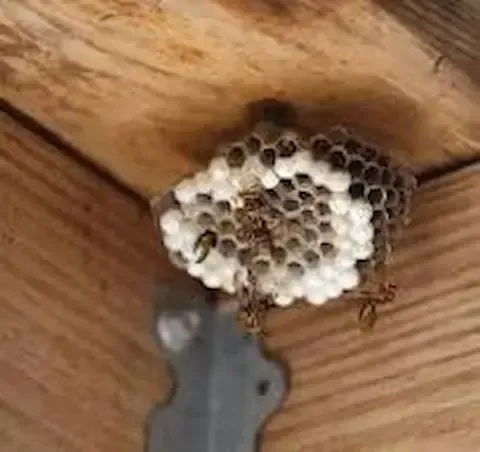
Wasp and Hornet Removal in Beloit WI Yards and Eaves
When wasps and hornets establish colonies around your Beloit, Wisconsin property, they create serious safety risks for your family and guests. These aggressive insects build nests in eaves, under decks, and in yard structures throughout Rock County, with peak activity occurring during late summer months when colonies reach maximum size.
Understanding Wasp and Hornet Species in Beloit
Rock County hosts several wasp and hornet species that commonly nest around residential properties. Paper wasps construct open, umbrella-shaped nests under eaves and overhangs, while yellow jackets prefer enclosed spaces like wall voids and ground cavities. Bald-faced hornets build large, enclosed nests in trees and shrubs, sometimes reaching basketball size by late summer.
Each species exhibits different aggression levels and nesting behaviors. Paper wasps are generally less aggressive unless their nest is directly threatened, while yellow jackets become increasingly defensive as their colonies grow larger. Hornets are particularly aggressive when defending their nests and can deliver multiple stings with more potent venom than typical wasps.
Professional identification is crucial because treatment methods vary significantly between species. What works effectively for paper wasp removal may prove inadequate for established yellow jacket colonies, and improper treatment attempts often result in aggressive defensive responses from the entire colony. Not every stinging insect on your property is a wasp, either. If those turn out to be honey bees clustered on a branch or tucked into a wall, the job shifts to live honey bee swarm removal and relocation rather than extermination.
Common Nesting Locations Around Beloit Properties
Wasps and hornets select nesting sites that provide protection from weather while offering easy access to food sources. Eaves and soffits rank among the most popular locations because they offer overhead protection and proximity to outdoor dining areas where food scraps attract these insects.
Deck railings, pergolas, and gazebos also attract nesting wasps due to their sheltered nature. Yellow jackets frequently establish ground nests in landscaped areas, particularly near irrigation systems or areas with loose soil. Wall voids accessed through small openings in siding or foundation provide ideal enclosed spaces for yellow jacket colonies.
Shed eaves, garage overhangs, and outbuilding corners create perfect conditions for paper wasp nests. These locations offer protection while remaining close to gardens and outdoor activity areas where wasps hunt for insects and seek sugary substances. Wasp removal professionals understand these preferred nesting patterns and can identify potential problem areas before colonies become established.
Tree branches overhanging patios and outdoor living spaces also host hornet nests, particularly bald-faced hornets that prefer elevated locations. These aerial nests can drop debris and create safety hazards for anyone using outdoor spaces below.
Seasonal Activity Patterns and Treatment Timing
Wasp and hornet activity in Beloit follows predictable seasonal patterns that influence treatment strategies. Spring marks the beginning of nest establishment when overwintered queens emerge to select nesting sites and begin colony development. Early detection during this phase allows for easier nest removal before worker populations expand.
Summer months see rapid colony growth with peak populations occurring in late July and August throughout Rock County. During this period, nests contain hundreds or thousands of workers, making removal significantly more challenging and dangerous. Professional treatment becomes essential as colonies reach maturity because worker wasps become increasingly aggressive in defending their nests.
Late summer and early fall present unique challenges as food sources become scarcer. Wasps become more aggressive in seeking sugary foods and are more likely to sting when encountered. This period also sees the production of new queens who will establish next year's colonies, making complete nest elimination crucial for preventing future infestations.
Treatment timing affects success rates significantly. Early season treatments when colonies are small require less aggressive methods and pose reduced safety risks. Late season treatments must account for peak colony populations and heightened defensive behaviors.
Professional vs. DIY Removal Considerations
Many homeowners consider attempting wasp nest removal independently, but several factors determine when professional intervention becomes necessary. Nest size and location play crucial roles in this decision. Ground-level nests smaller than a golf ball may be manageable with proper protective equipment and commercial wasp sprays.
However, nests located in eaves, high on structures, or within wall voids require professional expertise and specialized equipment. Ladder work while wearing protective gear and handling treatment chemicals creates significant safety hazards for untrained individuals. Additionally, incomplete treatment often results in surviving wasps establishing new nests in nearby locations.
Yellow jacket ground nests present particular challenges because colonies can extend several feet underground with multiple entrance points. DIY treatments often fail to reach the entire colony, resulting in continued wasp activity and potential aggressive responses to repeated treatment attempts.
Professional pest control technicians possess specialized protective equipment, commercial-grade insecticides, and experience in safely accessing difficult nest locations. They can also identify multiple nests that homeowners might overlook and provide guidance on preventing future infestations.
Health and Safety Risks
Wasp and hornet stings pose serious health risks beyond temporary pain and swelling. Individuals with allergies to wasp venom can experience anaphylactic reactions requiring immediate medical attention. Even non-allergic individuals can suffer dangerous reactions from multiple stings that may occur during aggressive defensive responses.
Unlike bees, wasps and hornets can sting multiple times without dying, and they release pheromones that signal other colony members to join defensive attacks. This creates situations where single nest disturbances can result in dozens of stings from multiple insects.
Children and elderly individuals face elevated risks due to their potentially stronger reactions to venom and reduced ability to quickly escape from aggressive wasps. Pets also suffer from wasp stings and may not understand the need to avoid certain areas around active nests.
Nests located near high-traffic areas like doorways, patios, and play areas create ongoing safety hazards throughout the active season. how mosquito work begins in spring parallels wasp activity patterns, with both requiring early season attention to prevent summer problems.
Treatment Methods and Equipment
Professional wasp removal employs various treatment methods depending on nest location, species, and colony size. Contact sprays provide immediate knockdown for accessible nests, while dust formulations work effectively in wall voids and enclosed spaces where liquid treatments cannot reach.
Foam applications expand to fill cavity spaces and provide longer-lasting residual control. This method works particularly well for yellow jacket nests in wall voids or underground colonies where complete coverage is essential for successful elimination.
Professional-grade protective equipment includes full-body suits, specialized helmets with bee veils, and reinforced gloves that prevent sting penetration. This equipment allows technicians to work safely even when treating highly defensive colonies during peak activity periods.
Extension poles and specialized applicators enable treatment of elevated nests without ladder use, reducing fall risks while maintaining effective treatment distance. Night treatments often prove more effective because most colony members are present in the nest and activity levels are reduced.
Prevention Strategies for Beloit Properties
Preventing wasp and hornet nesting around your Beloit property requires understanding their attraction factors and implementing targeted prevention measures. Regular inspection of potential nesting sites during early spring allows for early detection and intervention before colonies establish.
Sealing gaps in siding, soffits, and foundation areas eliminates access to wall voids preferred by yellow jackets. Caulking small openings and installing screens over vents prevent nest establishment in enclosed spaces.
Removing food attractants includes securing garbage containers, cleaning outdoor dining areas promptly, and addressing sweet liquid spills around outdoor entertainment spaces. Overripe fruit from trees and gardens should be removed regularly as these attract wasps seeking sugar sources.
Structural modifications such as installing smooth materials under eaves and removing unnecessary outdoor decorations reduce available nesting attachment points. Regular maintenance of outdoor structures ensures early detection of nesting activity before colonies become established.
Water source management also influences wasp attraction. Eliminating standing water and ensuring proper drainage around structures reduces the appeal of your property to nest-seeking queens.
Post-Treatment Considerations
Following successful wasp nest removal, several important considerations ensure complete resolution and prevent recurrence. Dead nest removal prevents attracting other insects and eliminates potential reuse by future wasp generations. Some species will attempt to rebuild in the same location if nest remnants remain.
Residual treatments around former nest sites provide ongoing protection against new colony establishment. These treatments remain effective for several weeks, covering the period when surviving wasps might attempt to rebuild or when new queens might select the same location.
Property monitoring continues throughout the active season because multiple colonies may exist around larger properties. New nests can develop even after successful treatment of initial colonies, particularly if conducive conditions remain unchanged.
Follow-up inspections help identify any surviving wasps or new nesting activity. Professional services often include warranty periods covering retreatment if nesting activity resumes in treated areas within specified timeframes.
Documentation of treatment locations and methods assists in future prevention planning and helps identify patterns in wasp activity around your property. This information proves valuable for developing long-term management strategies specific to your Beloit property's conditions.
