
Bee Removal & Live Relocation in Beloit, WI
Live Bee Relocation Experts
Honey bee swarms and established hives in Beloit structures require specialized removal protecting both property owners and these essential pollinators. Unlike wasps and hornets, honey bees deserve preservation efforts—our bee removal process focuses on live colony relocation working with licensed beekeepers who provide new homes for removed swarms and hives. We handle spring swarms hanging from tree branches or fence posts, established colonies built inside wall voids or attic spaces, and emergency situations where bees pose immediate risks to occupants. Our approach prioritizes humane removal using vacuum systems and careful comb extraction preserving colony integrity.
What bee removal costs depends entirely on whether you have an accessible swarm or an established structural colony. Swarm collection from accessible locations is typically free during April through June because healthy swarms have value to beekeepers and can be transferred directly into hive equipment. A swarm clustered on a branch or fence post is a fundamentally different situation than a colony that entered a wall void months or years ago and built permanent comb.
Established hive removal from wall voids requires cutting access into the structure, extracting all comb and bees, treating the cavity to eliminate residual odor that attracts future swarms, and repairing the opening. Comb volume and honey weight affect removal time: a colony established for one season has far less comb than one that has overwintered multiple years. Leaving comb behind causes honey to ferment and leak, attracts wax moths, draws robber bees, and creates moisture damage costing more to repair than proper removal.
Carpenter bee treatment scope depends on how many gallery holes require treatment and sealing. Individual galleries cause minor damage, but accumulated tunnels over years as new generations expand existing systems eventually compromise fascia boards, deck posts, and porch railings. Female offspring often drill additional tunnels from existing galleries, expanding damage without visible new entry holes. We assess whether you have a swarm, a structural colony, or carpenter bee damage, and quote accordingly.
What's Included in our Bee Removal & Live Relocation service?
Swarm Collection and Relocation
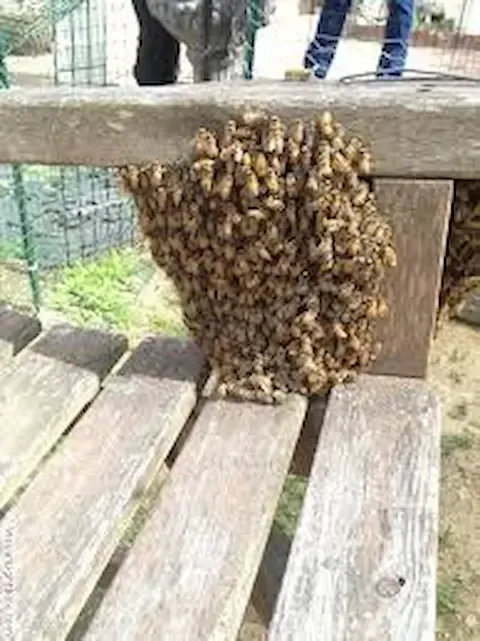
Honey bee swarms clustered on branches, fences, playground equipment, vehicle mirrors, or other accessible locations can typically be collected free during spring swarm season from April through June because healthy swarms have value to beekeepers. Swarms rest temporarily in exposed locations while scout bees search for permanent nesting sites, creating a 24 to 72 hour window for collection before the swarm moves into a structural void or tree cavity where removal becomes expensive. We transfer collected swarms to local beekeepers throughout Rock County and Winnebago County who provide permanent hive homes and proper management. Priority scheduling is available for swarms in high-traffic areas, near doors and entries, on playground equipment, or in child-accessible locations where sting risk creates urgency even though swarms are generally docile.
Structural Hive Removal
Honey bees that enter wall voids, soffits, porch ceilings, or other structural cavities through gaps establish permanent colonies with wax comb, developing brood, and stored honey that can reach 50 pounds or more in established hives. Physical removal requires cutting access into the structure to extract the entire colony including all comb and bees. Leaving comb behind causes honey to ferment and leak through ceilings and walls, attracts wax moths that destroy the remaining comb, draws robber bees from other colonies, and creates moisture damage that costs far more to repair than proper removal. Our structural removal process opens the minimum access needed to reach the colony, extracts bees into transport equipment for relocation, removes all comb and debris from the cavity, treats the void to eliminate residual odor that attracts new swarms, and repairs the opening.
Carpenter Bee Treatment
Carpenter bees drill distinctive half-inch diameter perfectly round entry holes in unpainted softwood including fascia boards, soffits, deck posts, porch railings, wooden patio furniture, and cedar shake siding. Individual galleries cause minor cosmetic damage, but accumulated galleries over years as new generations expand the tunnel system eventually compromise structural integrity of wood members. Female offspring often excavate additional tunnels branching from existing galleries, expanding damage substantially without creating new visible entry holes on the surface. Our treatment applies professional residual dust into gallery tunnels using specialized applicators, eliminates larvae developing inside the wood, and seals entries with wood plugs, caulk, or steel wool. Painting or sealing exposed wood surfaces with primer and paint prevents new carpenter bee gallery drilling since they only attack untreated wood.
Live Bee Relocation Experts
Honey bee swarms and established hives in Beloit structures require specialized removal protecting both property owners and these essential pollinators. Unlike wasps and hornets, honey bees deserve preservation efforts—our bee removal process focuses on live colony relocation working with licensed beekeepers who provide new homes for removed swarms and hives. We handle spring swarms hanging from tree branches or fence posts, established colonies built inside wall voids or attic spaces, and emergency situations where bees pose immediate risks to occupants. Our approach prioritizes humane removal using vacuum systems and careful comb extraction preserving colony integrity.
What bee removal costs depends entirely on whether you have an accessible swarm or an established structural colony. Swarm collection from accessible locations is typically free during April through June because healthy swarms have value to beekeepers and can be transferred directly into hive equipment. A swarm clustered on a branch or fence post is a fundamentally different situation than a colony that entered a wall void months or years ago and built permanent comb.
What's Included in our Bee Removal & Live Relocation service?
Swarm Collection and Relocation
Honey bee swarms clustered on branches, fences, playground equipment, vehicle mirrors, or other accessible locations can typically be collected free during spring swarm season from April through June because healthy swarms have value to beekeepers. Swarms rest temporarily in exposed locations while scout bees search for permanent nesting sites, creating a 24 to 72 hour window for collection before the swarm moves into a structural void or tree cavity where removal becomes expensive. We transfer collected swarms to local beekeepers throughout Rock County and Winnebago County who provide permanent hive homes and proper management. Priority scheduling is available for swarms in high-traffic areas, near doors and entries, on playground equipment, or in child-accessible locations where sting risk creates urgency even though swarms are generally docile.
Structural Hive Removal
Honey bees that enter wall voids, soffits, porch ceilings, or other structural cavities through gaps establish permanent colonies with wax comb, developing brood, and stored honey that can reach 50 pounds or more in established hives. Physical removal requires cutting access into the structure to extract the entire colony including all comb and bees. Leaving comb behind causes honey to ferment and leak through ceilings and walls, attracts wax moths that destroy the remaining comb, draws robber bees from other colonies, and creates moisture damage that costs far more to repair than proper removal. Our structural removal process opens the minimum access needed to reach the colony, extracts bees into transport equipment for relocation, removes all comb and debris from the cavity, treats the void to eliminate residual odor that attracts new swarms, and repairs the opening.
Carpenter Bee Treatment
Carpenter bees drill distinctive half-inch diameter perfectly round entry holes in unpainted softwood including fascia boards, soffits, deck posts, porch railings, wooden patio furniture, and cedar shake siding. Individual galleries cause minor cosmetic damage, but accumulated galleries over years as new generations expand the tunnel system eventually compromise structural integrity of wood members. Female offspring often excavate additional tunnels branching from existing galleries, expanding damage substantially without creating new visible entry holes on the surface. Our treatment applies professional residual dust into gallery tunnels using specialized applicators, eliminates larvae developing inside the wood, and seals entries with wood plugs, caulk, or steel wool. Painting or sealing exposed wood surfaces with primer and paint prevents new carpenter bee gallery drilling since they only attack untreated wood.
Serving Beloit and Surrounding Communities
Protecting Beloit Homes from Wisconsin Pests
Our pest control services extend throughout Rock County communities facing similar challenges from agricultural surroundings, seasonal Wisconsin pest pressures, and older housing stock requiring specialized treatment approaches.
Proudly serving Janesville, Clinton, South Beloit,
Rockton, Rockford, Loves Park, Rockford, Machesney Park and Afton for 20+ years.
Comprehensive Pest Control Services in Beloit
Tailored to Your Needs
Whether you're battling winter rodent invasions, discovering termite damage in your historic home, or dealing with seasonal mosquito swarms near Rock River, we deliver comprehensive pest solutions designed for Beloit's unique challenges and Wisconsin's extreme climate conditions.
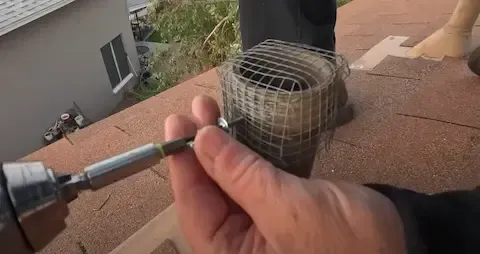
Protect your Beloit home from rodents with expert exclusion services that address Wisconsin's harsh winter intrusion patterns.
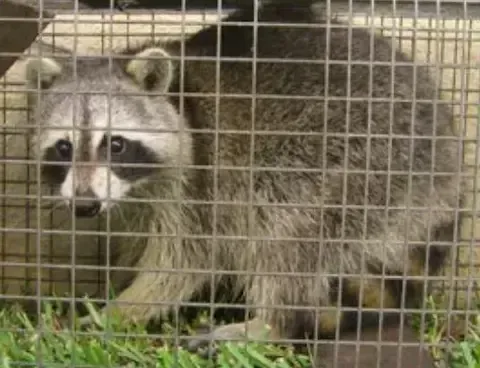
Safe wildlife removal for raccoons, squirrels, bats, and snakes throughout Beloit, including humane dead animal removal services.
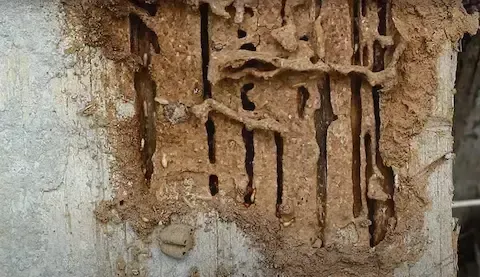
Comprehensive termite inspections and treatments designed for Wisconsin's subterranean termite challenges in Beloit's older homes.
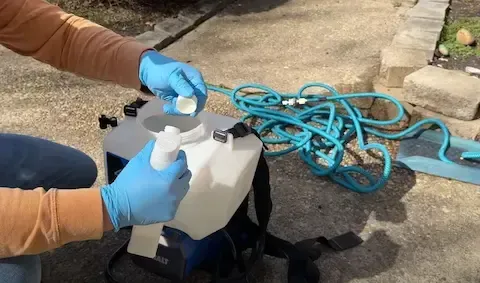
Fast, effective bed bug treatments using proven methods to eliminate infestations in Beloit homes and multi-family properties.

Targeted cockroach and German roach control addressing moisture-prone basements and commercial kitchens throughout Beloit.
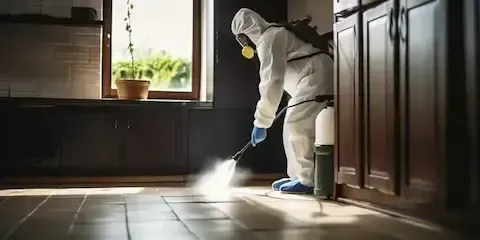
Expert ant and carpenter ant removal protecting Beloit's wood structures from damage caused by southern Wisconsin ant species.
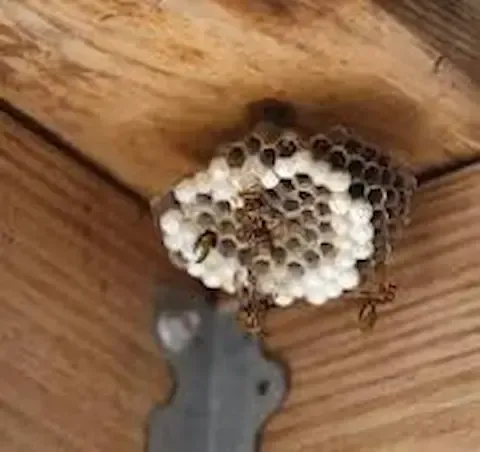
Professional wasp, hornet, and yellow jacket removal keeping Beloit families safe from aggressive stinging insects all season long.
Humane bee removal and live relocation services preserving pollinators while protecting your Beloit property from unwanted colonies.
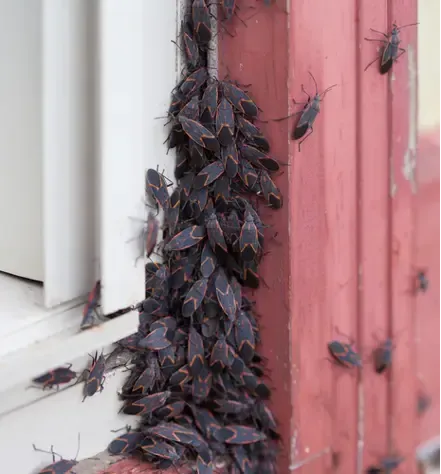
Specialized box elder bug and Asian beetle control preventing seasonal invasions common in Beloit's agricultural surroundings.
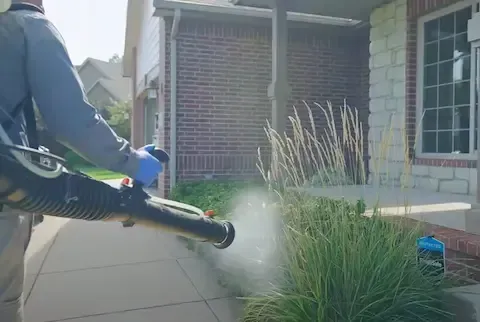
Seasonal mosquito and tick control programs protecting Beloit families from disease-carrying pests near Rock River wetland areas.
Frequently Asked Questions
Pest Control can be complex, and we’re here to provide answers to common questions. Here are some frequently asked questions from our clients.
Frequently Asked Questions about Pest Control
What are the most common pest problems in Beloit, Wisconsin?
Beloit homeowners face seasonal pest pressures driven by Wisconsin's climate extremes and Rock River proximity. Winter brings intense rodent invasions as mice and rats seek heated structures, while carpenter ants emerge each spring causing structural damage in older homes. Summer mosquito populations explode near the river, and fall triggers massive box elder bug and Asian beetle migrations from surrounding agricultural areas. Year-round issues include German roach infestations in multi-family properties, termite activity in moisture-prone foundations, and wildlife conflicts as raccoons and squirrels exploit attic access points in historic downtown homes.
When should I schedule preventive pest control in Beloit?
Optimal prevention timing in Beloit follows Wisconsin's seasonal pest patterns. Schedule rodent exclusion in October before winter drives mice indoors, mosquito and tick programs starting in May before populations peak, and box elder bug prevention in early September before fall invasions begin. Spring carpenter ant treatments in April target emerging colonies, while termite inspections work best in late April through May when swarmers appear. Year-round quarterly programs provide comprehensive protection addressing each season's unique challenges from winter rodents through fall overwintering pest invasions.
Are pest control treatments safe for pets and children?
Modern pest control products used by licensed professionals pose minimal risk when applied according to label directions and safety protocols. We use integrated pest management emphasizing non-chemical controls like exclusion and sanitation, then apply targeted treatments only where necessary. Interior applications typically require 2-4 hours before re-entry, while exterior barrier treatments dry within 30 minutes. We always explain safety precautions specific to your treatment, provide re-entry timing, and offer low-toxicity options for families with concerns about children, pets, or sensitive individuals.
How much does pest control cost in Beloit, WI?
Pest control costs vary based on property size, pest type, and infestation severity. General pest control treatments for average Beloit homes typically range $150-$300 per service, while specialized treatments like bed bug heat treatments ($1,500-$3,000), termite treatments ($1,200-$2,500), or wildlife exclusion ($400-$1,200) reflect the complexity and labor involved. Quarterly service programs offering year-round protection average $100-$150 per visit with seasonal adjustments. We provide free inspections with detailed estimates explaining recommended treatments, expected results, and warranty coverage before any work begins.
Do you offer same-day pest control service in Beloit?
Yes, we offer same-day service for pest emergencies throughout Beloit including active wasp nests threatening outdoor areas, bed bug discoveries requiring immediate attention, rodent infestations with visible activity, and wildlife entries posing safety concerns. Morning calls often receive same-day afternoon appointments based on technician availability and geographic routing. Non-emergency situations like preventive treatments, termite inspections, or seasonal programs typically schedule within 2-3 business days. Call early in the day for best same-day availability, or schedule emergency service for situations requiring immediate professional intervention.
What's included in a pest control inspection?
Comprehensive pest inspections examine all areas where pests commonly harbor or enter including basements, crawlspaces, attics, kitchens, bathrooms, and exterior perimeters. We identify current pest activity through evidence like droppings, damage patterns, or live sightings, locate entry points and conducive conditions supporting infestations, and assess structural vulnerabilities common in Beloit's older homes. Inspections include moisture evaluations for termites and roaches, exclusion assessments for rodents and wildlife, and vegetation reviews for mosquitoes and ticks. You receive detailed findings, treatment recommendations, cost estimates, and prevention advice specific to your property's unique challenges.
Frequently Asked Questions about Bee Removal & Live Relocation
Will you kill the bees or relocate them?
We prioritize live bee relocation whenever possible, working with licensed beekeepers who provide permanent homes for removed colonies preserving these essential pollinators. Accessible swarms hanging from tree branches or fence posts collect easily using vacuum systems that gently capture bees without harm for immediate beekeeper transfer. Established hives in wall voids or attics require more extensive removal including accessing cavities, extracting honeycomb, and vacuuming bees, but we still pursue relocation when colony health permits. Only in situations where colony health is severely compromised, hive location makes safe extraction impossible, or Africanized genetics create safety concerns do we consider extermination. Most Beloit bee situations allow successful live relocation protecting pollinator populations while solving your unwanted colony problem. Our beekeeping partners ensure relocated bees continue their valuable ecological role.
How long does bee removal take?
Swarm collection takes 30-60 minutes for accessible clusters as we vacuum bees into transport containers for immediate beekeeper delivery. Structural hive removal requires 3-6 hours depending on wall cavity depth, comb quantity, and access difficulty. We must cut access holes in siding or drywall, carefully extract all honeycomb (remaining comb attracts pests and melts causing structural damage), vacuum bees, then repair entry points and access holes we created. Roof or soffit hives may require additional time for safe elevated work. Timing matters—we schedule removals for daylight hours when most foragers are away from hives reducing bee numbers handled. Complete site cleanup removing all wax and honey attractants prevents future colonization attempts. Most Beloit residential hive removals complete in a single day including repairs, though extensive colonies in hard-to-access locations may require two-day projects.
What happens to the honeycomb after bee removal?
Complete honeycomb removal is critical preventing secondary pest problems and structural damage. Honey and wax left in wall voids attract ants, roaches, mice, and other bees seeking the resources. Summer heat melts honeycomb causing honey to leak through walls and ceilings creating staining and attracting more pests. We extract all comb during structural removals, disposing of damaged wax and honey properly while offering intact comb to beekeepers who can harvest usable honey and reuse wax for their hives. Cavity spaces get treated with bee repellent and sealed preventing future colonization. Some wax may stain wood interiors permanently, but we clean affected areas as thoroughly as possible. The honey and wax removed from established hives can be substantial—10-50 pounds isn't unusual from mature colonies in Beloit's older homes where hives established for multiple years.
Are the bees in my wall honey bees or something else?
Positive identification requires seeing the insects, but certain clues suggest species. Honey bees are fuzzy, brownish-gold, and smaller than bumble bees with continuous activity from a single entry point as workers come and go throughout the day. Bumble bees are larger, very fuzzy, and nest in much smaller numbers (50-400) compared to honey bee colonies (10,000-60,000). Carpenter bees are shiny black, about bumble bee size, and excavate individual nest tunnels rather than forming colonies. If you see numerous bees using one entry point with consistent traffic patterns and pollen-carrying workers, you likely have honey bees requiring hive removal rather than individual carpenter bee nest treatment. Honey bees defend hives aggressively if disturbed, while bumble bees are generally docile. Professional inspection identifies species accurately determining whether live relocation, structural removal, or simple carpenter bee treatment is appropriate.
When are honey bee swarms most common in Beloit?
Honey bee swarms typically occur April through June in Beloit when established colonies split and half the workers leave with the old queen seeking new nest sites. Swarms appear as basketball-sized clusters of bees hanging from tree branches, fence posts, or eaves, and are temporary — usually moving on within 24-72 hours if scout bees find a suitable cavity. Call promptly so we can collect the swarm before it establishes in a wall, chimney, or attic where removal becomes structural rather than simple collection.
Can you remove bumble bees or carpenter bees too?
Yes, we handle bumble bee colonies (often nesting in ground cavities, under sheds, or in wall voids) and carpenter bees (large solitary bees boring into deck rails, eaves, and exposed cedar) using species-appropriate methods. Bumble bees are pollinator-protected and relocated live when possible, while carpenter bees require treatment of existing galleries and exterior wood sealing or repainting to prevent re-infestation. Both species become more obvious in Beloit during May through July as colonies establish and individuals forage in residential gardens.
Do you relocate ground bees or miner bees?
Yes, we handle ground-nesting bees including bumble bees in abandoned rodent burrows and solitary miner bees in sandy soil patches. Miner bees are generally beneficial pollinators that don't defend nests aggressively and typically only require relocation when nest density creates a quality-of-life issue in lawns or play areas. We assess the species first — sometimes the right answer is to leave a small native bee population in place and let it complete the brief spring active season rather than disturb a beneficial pollinator.
How much does bee removal cost in Beloit?
Accessible honey bee swarm collection is often free or minimal cost ($50-$150) as our beekeeping partners value the colonies collected. Structural hive removal — bees established in walls, chimneys, or attics — typically runs $400-$1,200 because it requires carpentry to open the cavity, remove all comb and honey to prevent secondary pest attraction, and restore the structure. Bumble bee removal, ground nest treatment, and carpenter bee work runs $150-$400 depending on accessibility and treatment scope.
Can I just seal the hole to keep bees out?
No, never seal entry holes with bees still inside the cavity. Trapped bees seek alternative exits, often chewing through interior drywall or ceilings into living spaces, and a sealed colony will starve and rot inside the wall causing severe odor and attracting secondary pests. The honey left behind also melts in summer heat and can stain walls or drip through ceilings. Always have the colony professionally removed first, then seal the entry point as the final step of remediation.
Why should I relocate bees instead of killing them?
Honey bees are essential pollinators supporting Wisconsin agriculture and wild plant reproduction, and they face significant population threats from habitat loss, pesticides, and colony collapse disorder. Killing a healthy colony when relocation is feasible eliminates 30,000-50,000 active pollinators that would contribute to local food production and ecosystem health. Our beekeeping partners across southern Wisconsin actively want collected colonies and provide proper homes where the bees continue productive lives.
Schedule Bee Removal Service
What Our Satisfied Clients Have to Say About Beloit Pest Control
We pride ourselves on delivering great results and experiences for each client. Hear directly from home and business owners who’ve trusted us with their Pest Control needs.

After discovering mice in our historic downtown home, the team responded same day, identified entry points we never knew existed, and sealed everything thoroughly. Haven't seen any rodent evidence since the exclusion work was completed.
Sarah M.
The mosquito control program completely changed our summer experience. We can actually enjoy our backyard near the river now without being eaten alive. Monthly treatments are worth every penny for the outdoor living we've gained.
Mike and Jennifer R.
Professional, knowledgeable service from start to finish. They explained the carpenter ant treatment process clearly, addressed all our questions, and followed up to ensure the problem was completely resolved. Highly recommend for any Beloit pest issues.
David L.
The Trusted Pest Control Expert Near You
Ready to hear more about expert services at Beloit Pest Control?
Contact us today to receive a detailed, no-obligation quote.
Having a pest control emergency? Read more about steps to take here.
Beloit, WI & the Surrounding Area
Mon-Sat 8-5pm
