Safely Removing a Tick After a Beloit WI Yard Outing
After a Beloit, WI yard outing, remove a tick by using fine-tipped tweezers to grasp it as close to the skin as possible, then pull upward with steady, even pressure. Do not twist or jerk. Once removed, clean the area with rubbing alcohol or soap and water, then dispose of the tick by placing it in alcohol or a sealed bag. Never crush it with your fingers. Monitor the bite site for 30 days for any rash or fever. If symptoms appear, contact a Rock County healthcare provider promptly.
What Tools Do You Need Before Starting?
Before you attempt removal, gather the right supplies. You need fine-tipped tweezers, not blunt household ones. You also need rubbing alcohol, a small sealed bag or container, and a marker to date when the tick was found. A magnifying glass helps if the tick is small. Keep these items in a dedicated first aid kit near your back door if your family spends time in Beloit parks, wooded yards along the Rock River corridor, or any grassy outdoor spaces in Rock County. Having everything ready before you start prevents rushed, improper removal.
How Do You Grasp the Tick Correctly?
Position the tweezers as close to the skin surface as you can get. You want to grip the tick's head and mouthparts, not its engorged body. Gripping the body risks squeezing fluids back into the bite site, which increases the chance of pathogen transfer. If you cannot get close enough to the skin with standard tweezers, a tick removal tool designed for this purpose works well. Avoid using your fingers, petroleum jelly, nail polish, or heat sources like matches. These folk remedies do not work and can cause the tick to release fluids into the wound.
What Is the Correct Pulling Technique?
Once you have a firm grip near the skin, pull upward with slow, steady, even pressure. Do not twist, rotate, or jerk the tick. Jerking can cause the mouthparts to break off and remain in the skin. If mouthparts do break off, remove them separately with the tweezers if you can do so easily. If not, leave the area alone and let the skin heal naturally. Infection risk from retained mouthparts is low as long as the body of the tick is fully removed. Steady pressure is the single most important technique factor.
How Do You Clean and Treat the Bite Site?
After the tick is out, clean the bite area and your hands thoroughly. Use rubbing alcohol or soap and water on the skin. If rubbing alcohol is not available, any antiseptic wash works. Do not apply antibiotic ointment unless the skin is visibly broken or irritated. The bite site may remain slightly red or raised for a few days. This is normal. A rash that expands outward from the bite in a circular pattern, especially one that appears within 3 to 30 days, is a warning sign. In Rock County, Lyme disease has been documented, so this symptom warrants a call to your physician.
How Do You Dispose of the Tick Safely?
Never crush a tick with your bare fingers. Place the live tick in a sealed plastic bag with a small piece of alcohol-soaked cotton, or drop it directly into rubbing alcohol. You can also flush it down the toilet. If you want the tick tested for disease, place it in a sealed container and contact your local Rock County health department for guidance on submission options. Label the container with the date and location of the bite. Keeping the tick for 30 days is reasonable if any symptoms develop and your doctor wants to identify the species.
How Do You Check Kids and Pets After Time Outside?
Children and dogs are at higher risk of carrying ticks indoors because they move through vegetation at ground level. After any outdoor time in Beloit backyards, Riverside Park, or trails near the Rock River, do a full body check. On children, check behind the ears, along the hairline, under the arms, behind the knees, and around the waistband. On dogs, check inside the ears, between the toes, around the collar, and under the tail. Run your fingers slowly through your dog's coat. Ticks are small and easy to miss on first pass. For ongoing protection, talk to your vet about tick prevention products designed for pets. You can also read the mosquito and tick guide for a broader look at seasonal pest activity in Rock County.
How Do You Check Gear and Clothing?
Ticks can hitch a ride inside on clothing, backpacks, sports equipment, and outdoor gear. Before coming inside, shake out clothing outdoors. Then place clothes directly into the dryer on high heat for ten minutes. High heat kills ticks that washing alone may miss. Inspect backpacks, shoes, and any fabric bags you carried outside. If you brought in camping gear or lawn cushions, inspect seams and pockets carefully. Beloit summers bring extended outdoor time, and gear checks are just as important as body checks. Making this a post-outing routine reduces the number of ticks that make it deeper into your home.
When Should You See a Doctor?
Seek medical attention if the tick was attached for more than 36 hours, if you cannot fully remove the tick, or if a rash develops within 30 days of the bite. Flu-like symptoms including fever, fatigue, muscle aches, and headaches following a tick bite also warrant medical evaluation. In Rock County, physicians are familiar with tick-borne illness and can advise on whether prophylactic antibiotic treatment is appropriate based on your specific situation. Do not wait for symptoms to worsen before calling. Early treatment of Lyme disease and other tick-borne conditions is significantly more effective than late-stage intervention.
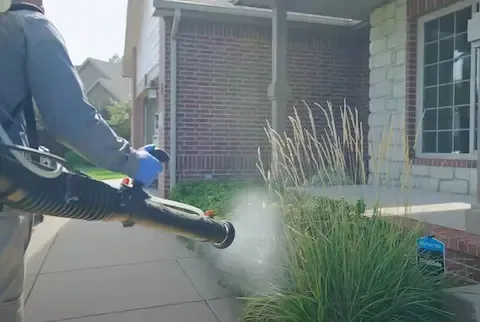
Reducing tick exposure in your yard is the most effective long-term step you can take. Professional mosquito control treatments that target ticks along yard perimeters can significantly lower the population around your home. Combined with proper removal technique and post-outing checks, yard treatment gives Beloit families a practical, layered defense against tick-borne illness throughout Rock County's warm-weather months.
