
Ant Control & Carpenter Ant Removal in Beloit, WI
Carpenter Ant Specialists
Beloit's surrounding agricultural land creates constant ant pressure as colonies migrate from fields into residential areas seeking food and nesting sites. Carpenter ants pose the most serious threat, excavating galleries in damp or damaged wood causing structural damage in older homes throughout downtown Beloit. Our ant control specialists identify the difference between nuisance pavement ants, destructive carpenter ants, and odorous house ants based on behavior, appearance, and nesting preferences. We don't just treat visible trails—we locate parent colonies often hidden in wall voids, tree stumps, or landscape timbers, then eliminate them using targeted baits and residual treatments.
What ant treatment costs depends primarily on species identification and colony location. Carpenter ants excavating galleries inside wall voids require locating and treating both parent and satellite nests, which is substantially more involved than treating pavement ants trailing in from cracks in the driveway. A parent colony inside moisture-damaged framing is a different scope than one nesting in a dead tree at the property edge.
The number of satellite nests affects scope directly. Carpenter ants establish multiple secondary colonies throughout structures, sometimes considerable distance from the parent nest. Finding one nest does not mean the problem is solved. We probe wood members, check moisture-damaged areas, and follow foraging trails to locate all nesting sites before quoting. Properties with ongoing moisture problems, active leaks, or extensive wood-to-soil contact often harbor larger colony networks.
Spring ant season hits Rock County from March through May as warming soil activates colonies and freeze-thaw cycles open new foundation cracks that provide entry. Carpenter ants swarm from April through June, and indoor swarmers indicate a mature colony inside the structure. Properties along the Rock River corridor, wooded lots with mature trees, and log homes face highest carpenter ant pressure. Pre-1970 Beloit homes with original sill plates resting directly on masonry foundations and any history of moisture damage attract carpenter ant colonies. We identify species, locate colonies, and quote the actual scope rather than guessing.
What's Included in our Ant Control service?
Carpenter Ant Colony Elimination
Carpenter ants maintain parent colonies in moisture-damaged wood containing queens and brood, plus satellite colonies in drier locations throughout structures that may be considerable distance from the parent nest. Surface spray and retail products kill visible workers on contact without reaching queens or brood inside galleries, allowing colonies to recover their populations within weeks. Our carpenter ant program locates both parent and satellite nests through careful inspection following foraging trails, probing wood members, and checking moisture-damaged areas. We apply non-repellent products that workers unknowingly track back to nests, transferring active ingredient through the entire colony, and treat directly into accessible nest locations with injected dust. Follow-up visits confirm elimination and address any satellite nests missed during initial treatment. We identify and recommend repair of the moisture conditions that attracted carpenter ants to prevent recolonization.
Kitchen Ant Control
Pavement ants, odorous house ants, and pharaoh ants invade kitchens through foundation cracks, utility penetrations, expansion joints, and gaps around windows and doors, sending foraging trails sometimes hundreds of feet from outdoor colonies to indoor food and water sources. These species nest primarily outdoors in soil, under slabs, or in wall voids and only enter to forage, returning food to the colony. Our kitchen ant treatment applies professional baits that foraging workers carry back to colonies, eliminating the reproductive source rather than just visible trails that regenerate daily. Perimeter treatment creates chemical barriers at identified entry points that kill foragers and discourage new trails from establishing. Unlike carpenter ants, these species do not cause structural damage but contaminate food, become persistent nuisances, and indicate entry points that other pests can also exploit.
Quarterly Ant Prevention
Properties with recurring ant problems benefit from quarterly treatment that maintains chemical barriers before colonies establish inside the structure. Our prevention program treats exterior foundation perimeters where ants most commonly enter, common entry points around windows and doors, and any problem areas identified during previous service visits. Quarterly visits timed to seasonal ant activity patterns catch early spring foraging before populations build to nuisance levels inside the home. This preventive approach costs significantly less over time than repeated emergency treatments for established infestations and keeps structures ant-free year-round rather than cycling through invasion and treatment. We adjust treatment focus seasonally for carpenter ant swarming in spring, pavement ant activity peaks in summer, and pre-winter foraging as colonies stock food stores.
Serving Beloit and Surrounding Communities
Protecting Beloit Homes from Wisconsin Pests
Our pest control services extend throughout Rock County communities facing similar challenges from agricultural surroundings, seasonal Wisconsin pest pressures, and older housing stock requiring specialized treatment approaches.
Proudly serving Janesville, Clinton, South Beloit,
Rockton, Rockford, Loves Park, Rockford, Machesney Park and Afton for 20+ years.
Comprehensive Pest Control Services in Beloit
Tailored to Your Needs
Whether you're battling winter rodent invasions, discovering termite damage in your historic home, or dealing with seasonal mosquito swarms near Rock River, we deliver comprehensive pest solutions designed for Beloit's unique challenges and Wisconsin's extreme climate conditions.
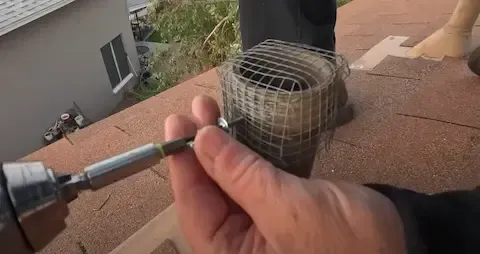
Protect your Beloit home from rodents with expert exclusion services that address Wisconsin's harsh winter intrusion patterns.
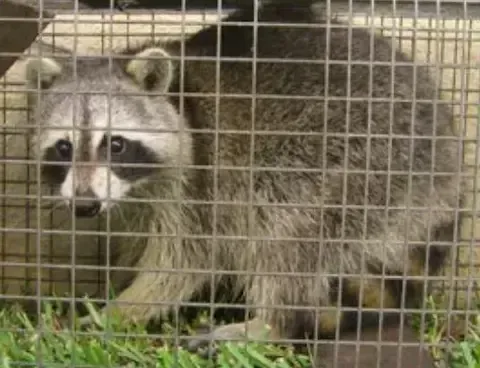
Safe wildlife removal for raccoons, squirrels, bats, and snakes throughout Beloit, including humane dead animal removal services.
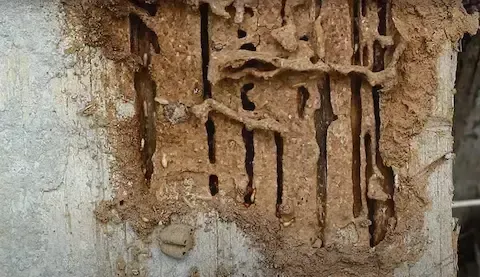
Comprehensive termite inspections and treatments designed for Wisconsin's subterranean termite challenges in Beloit's older homes.
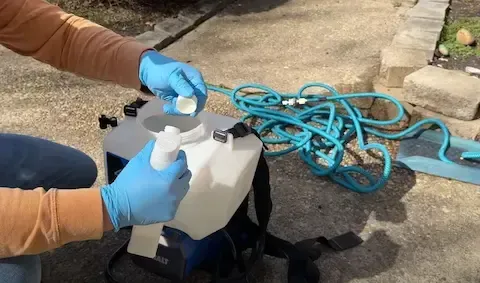
Fast, effective bed bug treatments using proven methods to eliminate infestations in Beloit homes and multi-family properties.
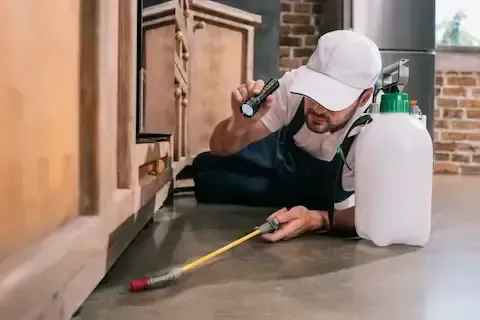
Targeted cockroach and German roach control addressing moisture-prone basements and commercial kitchens throughout Beloit.
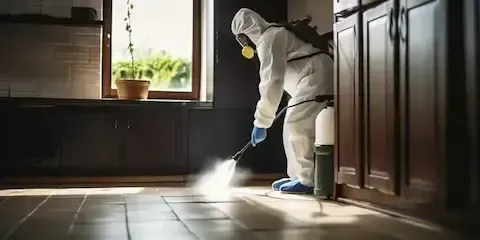
Expert ant and carpenter ant removal protecting Beloit's wood structures from damage caused by southern Wisconsin ant species.
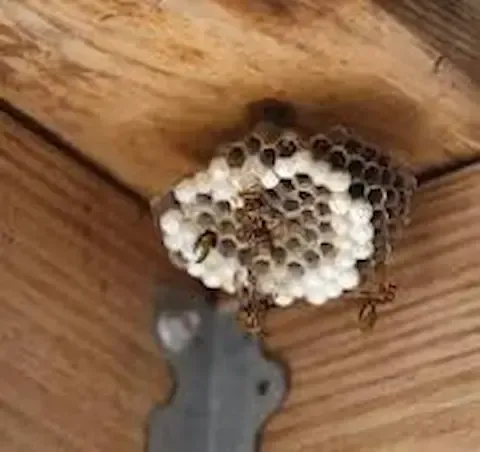
Professional wasp, hornet, and yellow jacket removal keeping Beloit families safe from aggressive stinging insects all season long.
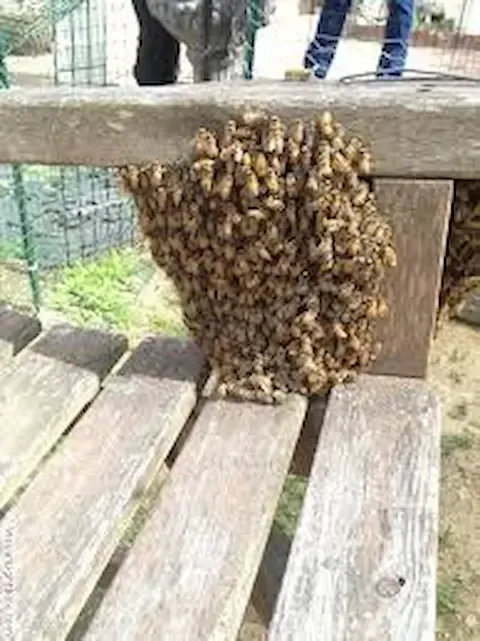
Humane bee removal and live relocation services preserving pollinators while protecting your Beloit property from unwanted colonies.
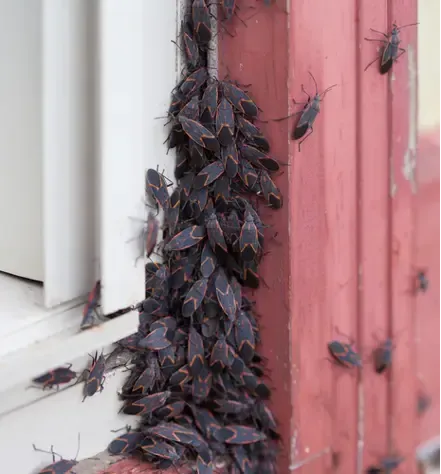
Specialized box elder bug and Asian beetle control preventing seasonal invasions common in Beloit's agricultural surroundings.
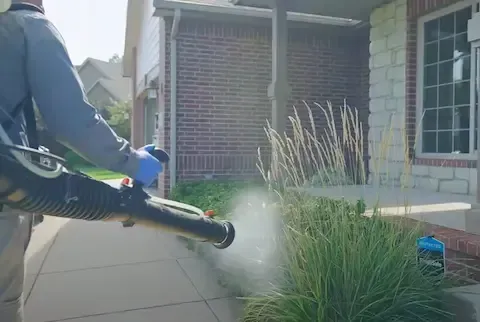
Seasonal mosquito and tick control programs protecting Beloit families from disease-carrying pests near Rock River wetland areas.
Frequently Asked Questions
Pest Control can be complex, and we’re here to provide answers to common questions. Here are some frequently asked questions from our clients.
Frequently Asked Questions about Pest Control
What are the most common pest problems in Beloit, Wisconsin?
Beloit homeowners face seasonal pest pressures driven by Wisconsin's climate extremes and Rock River proximity. Winter brings intense rodent invasions as mice and rats seek heated structures, while carpenter ants emerge each spring causing structural damage in older homes. Summer mosquito populations explode near the river, and fall triggers massive box elder bug and Asian beetle migrations from surrounding agricultural areas. Year-round issues include German roach infestations in multi-family properties, termite activity in moisture-prone foundations, and wildlife conflicts as raccoons and squirrels exploit attic access points in historic downtown homes.
When should I schedule preventive pest control in Beloit?
Optimal prevention timing in Beloit follows Wisconsin's seasonal pest patterns. Schedule rodent exclusion in October before winter drives mice indoors, mosquito and tick programs starting in May before populations peak, and box elder bug prevention in early September before fall invasions begin. Spring carpenter ant treatments in April target emerging colonies, while termite inspections work best in late April through May when swarmers appear. Year-round quarterly programs provide comprehensive protection addressing each season's unique challenges from winter rodents through fall overwintering pest invasions.
Are pest control treatments safe for pets and children?
Modern pest control products used by licensed professionals pose minimal risk when applied according to label directions and safety protocols. We use integrated pest management emphasizing non-chemical controls like exclusion and sanitation, then apply targeted treatments only where necessary. Interior applications typically require 2-4 hours before re-entry, while exterior barrier treatments dry within 30 minutes. We always explain safety precautions specific to your treatment, provide re-entry timing, and offer low-toxicity options for families with concerns about children, pets, or sensitive individuals.
How much does pest control cost in Beloit, WI?
Pest control costs vary based on property size, pest type, and infestation severity. General pest control treatments for average Beloit homes typically range $150-$300 per service, while specialized treatments like bed bug heat treatments ($1,500-$3,000), termite treatments ($1,200-$2,500), or wildlife exclusion ($400-$1,200) reflect the complexity and labor involved. Quarterly service programs offering year-round protection average $100-$150 per visit with seasonal adjustments. We provide free inspections with detailed estimates explaining recommended treatments, expected results, and warranty coverage before any work begins.
Do you offer same-day pest control service in Beloit?
Yes, we offer same-day service for pest emergencies throughout Beloit including active wasp nests threatening outdoor areas, bed bug discoveries requiring immediate attention, rodent infestations with visible activity, and wildlife entries posing safety concerns. Morning calls often receive same-day afternoon appointments based on technician availability and geographic routing. Non-emergency situations like preventive treatments, termite inspections, or seasonal programs typically schedule within 2-3 business days. Call early in the day for best same-day availability, or schedule emergency service for situations requiring immediate professional intervention.
What's included in a pest control inspection?
Comprehensive pest inspections examine all areas where pests commonly harbor or enter including basements, crawlspaces, attics, kitchens, bathrooms, and exterior perimeters. We identify current pest activity through evidence like droppings, damage patterns, or live sightings, locate entry points and conducive conditions supporting infestations, and assess structural vulnerabilities common in Beloit's older homes. Inspections include moisture evaluations for termites and roaches, exclusion assessments for rodents and wildlife, and vegetation reviews for mosquitoes and ticks. You receive detailed findings, treatment recommendations, cost estimates, and prevention advice specific to your property's unique challenges.
Frequently Asked Questions about Ant Control
What's the difference between carpenter ants and regular ants?
Carpenter ants are larger (1/4 to 1/2 inch) with black or reddish-black coloration compared to smaller pavement ants or odorous house ants common in Beloit. Carpenter ants excavate galleries in wood for nesting rather than eating it, creating smooth tunnels and ejecting sawdust-like frass from entry holes. They prefer damp or damaged wood from roof leaks, plumbing moisture, or Rock River humidity affecting Beloit's older homes. Pavement ants nest in soil under sidewalks and driveways entering homes foraging for food without causing structural damage. Odorous house ants emit rotten coconut smell when crushed and nest in wall voids or under flooring. Identifying species correctly determines treatment approach—carpenter ants require locating and treating wood nests while nuisance ants respond to baiting and exterior barrier treatments.
How do I know if carpenter ants are damaging my Beloit home?
Carpenter ant damage signs include piles of sawdust-like frass beneath exit holes in wood, hollow-sounding wood when tapped especially around windows or water-damaged areas, faint rustling sounds in walls during night when ants are active, and sightings of large black ants especially winged reproductives during spring swarms (April-May). Parent colonies often nest in exterior wood like tree stumps, landscape timbers, or firewood piles, sending satellite colonies into homes wherever moisture exists. Beloit's humid climate from Rock River proximity accelerates wood damage in foundations, soffits, and crawlspaces. Unlike termites which eat wood, carpenter ants excavate it creating structural weakening over years if untreated. Finding frass or sighting winged ants warrants immediate inspection identifying colony locations before damage spreads.
When do ants become active in Beloit, Wisconsin?
Ant activity peaks from April through September with spring emergence bringing massive populations as overwintered queens begin new colonies and workers forage aggressively. Carpenter ants swarm in late April through May when winged reproductives emerge seeking mates and new nest sites. Summer brings pavement ants trailing into kitchens seeking food and moisture, while odorous house ants invade during hot dry periods. Fall cooling triggers ant invasions as outdoor colonies seek overwintering sites in wall voids and foundations. Agricultural surroundings accelerate spring emergence as field ants migrate toward structures following farmland cultivation disturbing established colonies. Year-round indoor activity occurs with established carpenter ant satellite colonies in heated structures, though spring and summer show highest visibility and damage risk requiring preventive treatments in March before emergence peaks.
Can carpenter ants cause as much damage as termites?
Carpenter ants cause less extensive damage than termites but still create serious structural problems over time, especially in Beloit's older homes with existing moisture issues. Carpenter ant colonies excavate slowly over years creating hollow galleries weakening joists, studs, and support beams without the rapid destruction termites produce. However, large established colonies tunneling through critical structural members compromise integrity requiring costly repairs. Multiple satellite colonies throughout a structure accelerate damage. Unlike termites which consume wood for nutrition, carpenter ants simply remove it for nesting but the structural effect can be equally serious given enough time. Moisture-damaged wood common near Rock River allows faster excavation. Both require professional treatment—carpenter ant damage indicates moisture problems needing correction while termite damage demands immediate aggressive treatment preventing further destruction.
How much does ant control cost in Beloit?
Ant control costs in Beloit typically range from $200-$650 depending on ant species, infestation extent, and treatment scope. General ant treatment for pavement ants, odorous house ants, and other nuisance species costs $200-$350 for interior gel bait application, exterior perimeter treatment, and entry point identification. Carpenter ant treatment requires more intensive approach costing $400-$700 since locating and treating parent colonies (often in exterior trees or structural wood) plus satellite colonies inside structures requires inspection time and specialized application techniques. Severe carpenter ant infestations with multiple satellite colonies and significant structural involvement may reach $800-$1,200 including drilling and injecting wall voids housing colonies. Recurring quarterly ant service costs $100-$150 per visit maintaining control during active seasons (April-October). Annual contracts averaging $400-$550 covering quarterly service provide best value preventing seasonal ant problems before they require crisis intervention. Most Beloit properties benefit from preventive treatment beginning in March before spring emergence rather than reactive treatment after ant trails appear in kitchens.
How do you treat a carpenter ant infestation in Beloit?
Carpenter ant treatment requires locating parent colonies (typically outdoor in trees, stumps, or landscape timbers) plus satellite colonies inside structures, then targeting both with appropriate products. We inspect thoroughly identifying ant trails leading from indoor activity back to entry points and ultimately external colony locations. Tree-nesting parent colonies receive non-repellent injection treatments penetrating cavities killing entire colonies including queens. Satellite colonies in structural wood require drilling small access holes injecting products directly into nesting cavities reaching ants in wall voids and structural members. Perimeter barrier treatments prevent foragers from accessing structures. Non-repellent products allow ants to share contaminated products throughout colony networks creating cascading elimination rather than killing only contacted ants. We address moisture conditions that attracted ants since carpenter ants prefer damaged or damp wood—correcting roof leaks, plumbing issues, and ventilation problems prevents future colonization. Treatment typically requires 1-2 visits with follow-up monitoring confirming complete colony elimination, often involving 4-6 weeks until activity ceases as colony members gradually consume treated baits.
Why do ants keep coming back to my Beloit kitchen?
Recurring kitchen ant problems usually indicate established outdoor colonies repeatedly sending foragers indoors rather than failed treatments. Beloit's agricultural surroundings host enormous outdoor ant populations seasonally migrating toward structures. Common reasons for repeat invasions include scented attractants like spilled soft drinks, sticky residues on countertops, pet food left accessible, and crumbs in hidden areas behind appliances. Seasonal water needs drive ants indoors during dry summer periods seeking sink drains, dishwasher residue, and condensation. Pheromone trails marking successful food sources persist after individual ants are killed, with new foragers following these trails to the same locations within days. Spring colony expansion sends massive forager populations searching for new food sources after winter dormancy. Foundation gaps and door sweep deterioration allow continuous entry from established outdoor colonies. Effective long-term control requires treating perimeter areas where ants approach structures (eliminating exterior colonies before foragers enter), sealing entry points, eliminating attractants through rigorous cleaning, and using residual exterior barrier treatments stopping ants before they reach interior food sources.
Should I use ant baits or sprays?
Ant baits work better than sprays for most ant species though application timing and approach matters significantly. Ant baits use slow-acting toxicants that foragers consume and share with colony members through trophallaxis (food sharing), eventually killing entire colonies including queens. Baits work especially well for pavement ants, odorous house ants, pharaoh ants, and many other species. Sprays kill contacted ants immediately providing instant visible results but rarely eliminate colonies since most ants remain in nests safely away from sprayed areas, and repellent sprays actually scatter colonies into multiple smaller colonies making problems worse. Carpenter ants don't respond well to baits making non-repellent liquid injection products more effective for treating structural and outdoor colonies. Sprays around entry points create barriers preventing new ants from entering but don't address source colonies. Professional treatments combine approaches strategically—baits eliminating colony sources, non-repellent residuals on travel paths killing ants without scattering them, and targeted treatment of nest locations when accessible. DIY consumer products typically use older formulations less effective than professional-grade equivalents.
Do I need a one-time treatment or recurring ant service?
Treatment frequency depends on your property's ant pressure and tolerance for occasional problems. One-time treatments work effectively for isolated single-colony situations like carpenter ant satellite colonies in specific structural locations where eliminating that colony solves the problem. However, Beloit's agricultural surroundings and abundant outdoor ant populations create continuous pressure on most properties making recurring service significantly more effective long-term. Quarterly service maintains perimeter barriers preventing ant entry, addresses seasonal colony expansion before problems develop indoors, and catches early activity before populations establish food trails into homes. Properties with severe past infestations benefit from year-round prevention preventing problem recurrence. Rural properties bordering agricultural land face especially heavy seasonal pressure justifying regular service. Most Beloit families choose quarterly preventive contracts averaging $400-$550 annually rather than paying $200-$400 emergency calls multiple times yearly when ant problems develop. Annual contracts also typically include unlimited callbacks between scheduled visits if specific ant problems develop, providing comprehensive protection across the entire active season from March through October.
Call for Carpenter Ant Removal
What Our Satisfied Clients Have to Say About Beloit Pest Control
We pride ourselves on delivering great results and experiences for each client. Hear directly from home and business owners who’ve trusted us with their Pest Control needs.

After discovering mice in our historic downtown home, the team responded same day, identified entry points we never knew existed, and sealed everything thoroughly. Haven't seen any rodent evidence since the exclusion work was completed.
Sarah M.
The mosquito control program completely changed our summer experience. We can actually enjoy our backyard near the river now without being eaten alive. Monthly treatments are worth every penny for the outdoor living we've gained.
Mike and Jennifer R.
Professional, knowledgeable service from start to finish. They explained the carpenter ant treatment process clearly, addressed all our questions, and followed up to ensure the problem was completely resolved. Highly recommend for any Beloit pest issues.
David L.
The Trusted Pest Control Expert Near You
Ready to hear more about expert services at Beloit Pest Control?
Contact us today to receive a detailed, no-obligation quote.
Having a pest control emergency? Read more about steps to take here.
Beloit, WI & the Surrounding Area
Mon-Sat 8-5pm
