
Wasp, Hornet & Yellow Jacket Removal in Beloit, WI
Safe Wasp Nest Removal
Wisconsin summers bring aggressive yellow jackets, bald-faced hornets, and paper wasps building nests in Beloit's eaves, soffits, ground cavities, and landscape vegetation. These stinging insects defend nests aggressively, posing serious risks to families, pets, and anyone with allergies. Our wasp removal specialists understand southern Wisconsin species behavior—how yellow jackets build underground nests near foundations, how bald-faced hornets construct large aerial nests in trees and under roof overhangs, and how paper wasps favor protected locations like porch ceilings and window frames. We provide same-day emergency service for active nests threatening outdoor activities or blocking entryways.
What wasp and hornet removal costs depends on nest location, species, and access difficulty. An exposed paper wasp nest under an accessible eave is a different scope than a yellow jacket colony established inside a wall void requiring dust injection and entry sealing. Ground-nesting yellow jackets require locating the entrance and treating multiple underground chambers. Height matters: a nest reachable from ground level is simpler than one requiring extension ladders at the roofline.
Wall void nests add complexity because the nest itself is inaccessible. Treatment requires dust or foam injection through the entry point, waiting for worker activity to cease, then sealing to prevent dead insects from attracting carpet beetles and other secondary pests. Simply sealing an active entry without treatment traps live wasps inside, often forcing them to chew through interior drywall seeking alternate exits.
Late summer is peak wasp and yellow jacket season in Rock County, with colonies reaching maximum population and aggression from August through September. Nests that were small and easily ignored in June become serious hazards containing thousands of workers by late summer. Properties bordering farmland often harbor multiple ground nests requiring systematic treatment rather than response to a single visible nest. Pre-1970 Beloit homes with deteriorated soffits and fascia provide ready-made nesting cavities year after year. We assess nest location, species, and access before quoting.
What's Included in our Wasp, Hornet & Yellow Jacket Removal service?
Ground-Nesting Yellow Jackets
Yellow jackets nesting underground create serious sting hazards because nests are completely invisible until disturbed by mowing, walking, playing, or vibration from nearby activity. Ground nests begin small in spring but contain multiple chambers and thousands of aggressive workers by late summer when populations peak and aggression increases. A single ground nest can produce hundreds of stings in seconds when a mower or foot disturbs the entrance. We locate nest entrances through careful observation of worker flight patterns showing bees entering and exiting a specific ground location, apply professional dust treatment that workers track throughout all nest chambers, and return within days to verify complete elimination. Properties bordering farmland and open land often harbor multiple ground nests across the property that require systematic inspection and treatment rather than spot response to individual nests.
Wall Void and Soffit Nests
Wasps and hornets entering gaps in siding, soffit seams, fascia joints, and weep holes establish nests inside wall voids where the nest itself is completely inaccessible for direct removal. These locations provide protection from weather and predators, allowing colonies to grow larger than exposed aerial nests. Treatment requires dust or foam injection through the entry point using professional equipment that reaches the nest chamber inside the void. After worker activity ceases over 24 to 48 hours, we seal the entry point to prevent dead insects from attracting carpet beetles, dermestid beetles, and other secondary pests that feed on carcasses. Simply sealing an active entry without treatment traps live wasps inside the wall, often forcing them to chew through interior drywall seeking alternate exits into living spaces.
Commercial Property Service
Restaurants with outdoor dining patios, retail stores with covered entries, schools with playground equipment, apartment buildings with exterior walkways, and commercial properties with loading docks all face liability from stinging insect nests in locations where customers, students, tenants, or employees could be stung. Our commercial service provides priority response scheduling for high-risk situations, treats during off-hours when possible to minimize disruption to business operations, and documents all service visits for safety compliance records and insurance purposes. Properties with recurring wasp pressure from nearby nesting habitat or attractive structural features benefit from monthly monitoring during May through September that catches new nest construction while colonies are still small, manageable, and less aggressive than late-season populations.
Serving Beloit and Surrounding Communities
Protecting Beloit Homes from Wisconsin Pests
Our pest control services extend throughout Rock County communities facing similar challenges from agricultural surroundings, seasonal Wisconsin pest pressures, and older housing stock requiring specialized treatment approaches.
Proudly serving Janesville, Clinton, South Beloit,
Rockton, Rockford, Loves Park, Rockford, Machesney Park and Afton for 20+ years.
Comprehensive Pest Control Services in Beloit
Tailored to Your Needs
Whether you're battling winter rodent invasions, discovering termite damage in your historic home, or dealing with seasonal mosquito swarms near Rock River, we deliver comprehensive pest solutions designed for Beloit's unique challenges and Wisconsin's extreme climate conditions.
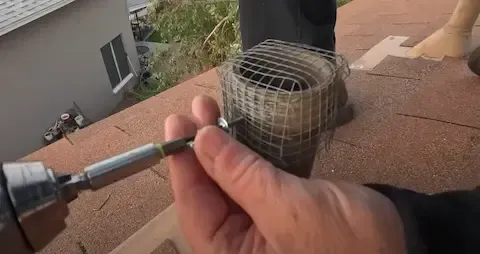
Protect your Beloit home from rodents with expert exclusion services that address Wisconsin's harsh winter intrusion patterns.
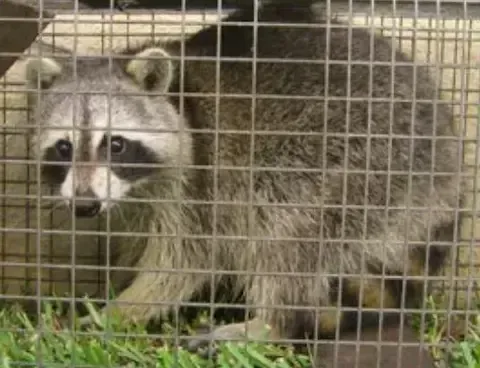
Safe wildlife removal for raccoons, squirrels, bats, and snakes throughout Beloit, including humane dead animal removal services.
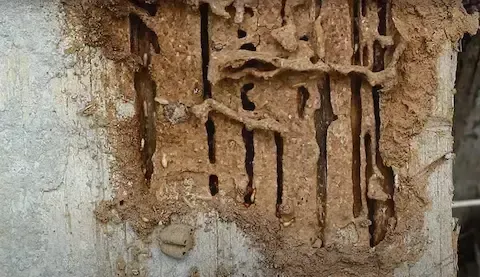
Comprehensive termite inspections and treatments designed for Wisconsin's subterranean termite challenges in Beloit's older homes.
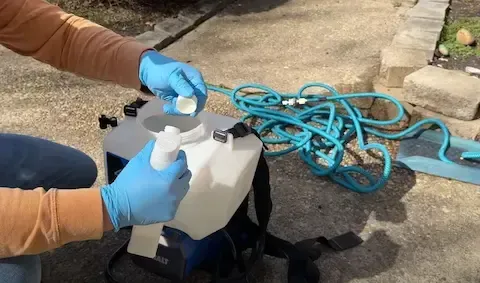
Fast, effective bed bug treatments using proven methods to eliminate infestations in Beloit homes and multi-family properties.
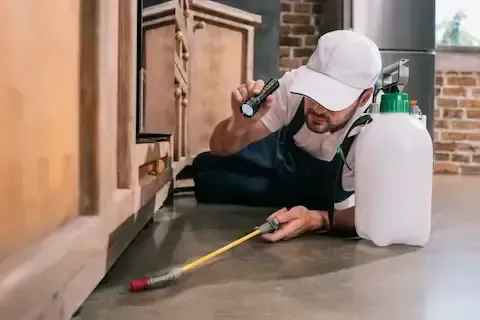
Targeted cockroach and German roach control addressing moisture-prone basements and commercial kitchens throughout Beloit.
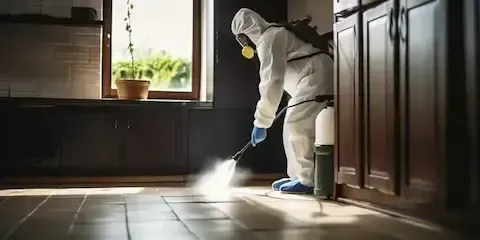
Expert ant and carpenter ant removal protecting Beloit's wood structures from damage caused by southern Wisconsin ant species.
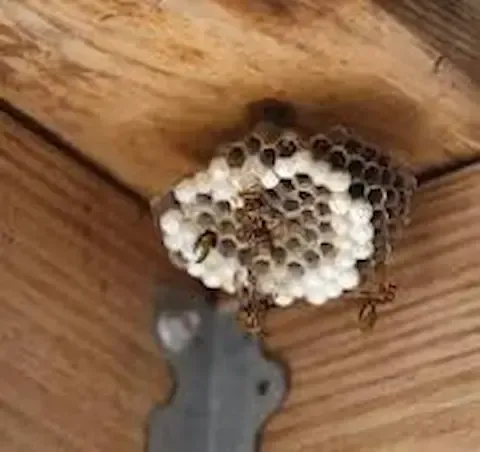
Professional wasp, hornet, and yellow jacket removal keeping Beloit families safe from aggressive stinging insects all season long.
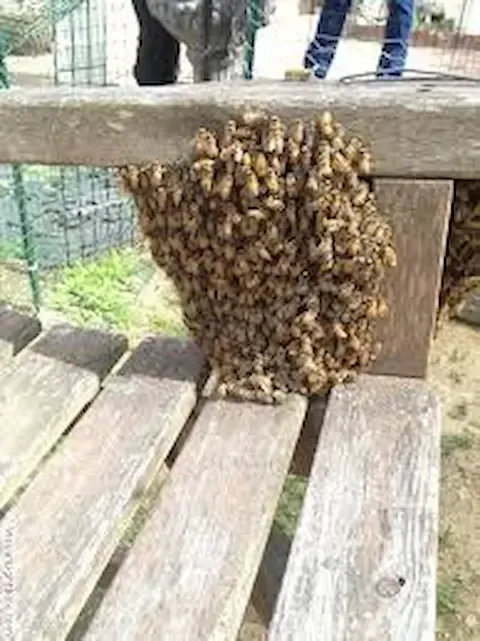
Humane bee removal and live relocation services preserving pollinators while protecting your Beloit property from unwanted colonies.
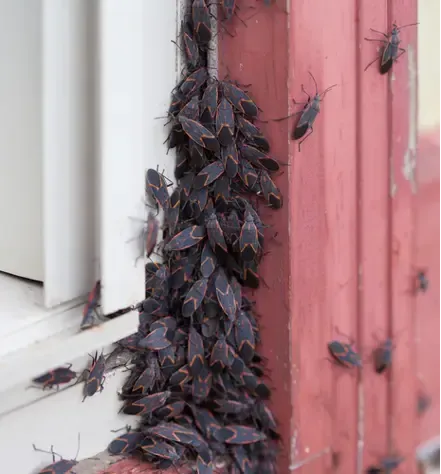
Specialized box elder bug and Asian beetle control preventing seasonal invasions common in Beloit's agricultural surroundings.
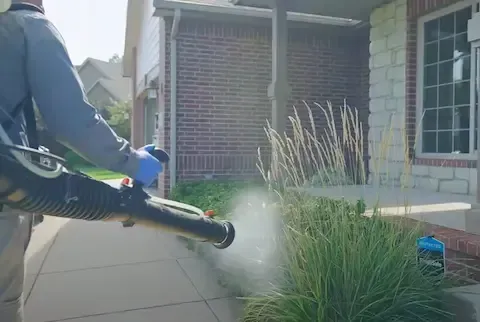
Seasonal mosquito and tick control programs protecting Beloit families from disease-carrying pests near Rock River wetland areas.
Frequently Asked Questions
Pest Control can be complex, and we’re here to provide answers to common questions. Here are some frequently asked questions from our clients.
Frequently Asked Questions about Pest Control
What are the most common pest problems in Beloit, Wisconsin?
Beloit homeowners face seasonal pest pressures driven by Wisconsin's climate extremes and Rock River proximity. Winter brings intense rodent invasions as mice and rats seek heated structures, while carpenter ants emerge each spring causing structural damage in older homes. Summer mosquito populations explode near the river, and fall triggers massive box elder bug and Asian beetle migrations from surrounding agricultural areas. Year-round issues include German roach infestations in multi-family properties, termite activity in moisture-prone foundations, and wildlife conflicts as raccoons and squirrels exploit attic access points in historic downtown homes.
When should I schedule preventive pest control in Beloit?
Optimal prevention timing in Beloit follows Wisconsin's seasonal pest patterns. Schedule rodent exclusion in October before winter drives mice indoors, mosquito and tick programs starting in May before populations peak, and box elder bug prevention in early September before fall invasions begin. Spring carpenter ant treatments in April target emerging colonies, while termite inspections work best in late April through May when swarmers appear. Year-round quarterly programs provide comprehensive protection addressing each season's unique challenges from winter rodents through fall overwintering pest invasions.
Are pest control treatments safe for pets and children?
Modern pest control products used by licensed professionals pose minimal risk when applied according to label directions and safety protocols. We use integrated pest management emphasizing non-chemical controls like exclusion and sanitation, then apply targeted treatments only where necessary. Interior applications typically require 2-4 hours before re-entry, while exterior barrier treatments dry within 30 minutes. We always explain safety precautions specific to your treatment, provide re-entry timing, and offer low-toxicity options for families with concerns about children, pets, or sensitive individuals.
How much does pest control cost in Beloit, WI?
Pest control costs vary based on property size, pest type, and infestation severity. General pest control treatments for average Beloit homes typically range $150-$300 per service, while specialized treatments like bed bug heat treatments ($1,500-$3,000), termite treatments ($1,200-$2,500), or wildlife exclusion ($400-$1,200) reflect the complexity and labor involved. Quarterly service programs offering year-round protection average $100-$150 per visit with seasonal adjustments. We provide free inspections with detailed estimates explaining recommended treatments, expected results, and warranty coverage before any work begins.
Do you offer same-day pest control service in Beloit?
Yes, we offer same-day service for pest emergencies throughout Beloit including active wasp nests threatening outdoor areas, bed bug discoveries requiring immediate attention, rodent infestations with visible activity, and wildlife entries posing safety concerns. Morning calls often receive same-day afternoon appointments based on technician availability and geographic routing. Non-emergency situations like preventive treatments, termite inspections, or seasonal programs typically schedule within 2-3 business days. Call early in the day for best same-day availability, or schedule emergency service for situations requiring immediate professional intervention.
What's included in a pest control inspection?
Comprehensive pest inspections examine all areas where pests commonly harbor or enter including basements, crawlspaces, attics, kitchens, bathrooms, and exterior perimeters. We identify current pest activity through evidence like droppings, damage patterns, or live sightings, locate entry points and conducive conditions supporting infestations, and assess structural vulnerabilities common in Beloit's older homes. Inspections include moisture evaluations for termites and roaches, exclusion assessments for rodents and wildlife, and vegetation reviews for mosquitoes and ticks. You receive detailed findings, treatment recommendations, cost estimates, and prevention advice specific to your property's unique challenges.
Frequently Asked Questions about Wasp, Hornet & Yellow Jacket Removal
Are wasps and hornets dangerous?
Yes, wasps and hornets pose serious risks especially for individuals with venom allergies. Unlike honey bees which sting once and die, wasps and hornets sting repeatedly injecting venom each time. Yellow jackets become increasingly aggressive defending nests in late summer when colonies reach peak populations, chasing perceived threats 50+ feet from nest sites. Bald-faced hornets aggressively defend large aerial nests attacking anyone approaching within 10-15 feet. Ground-nesting yellow jackets create hidden hazards as lawn mowing or walking triggers mass defensive attacks. Stings cause painful swelling and welts in normal reactions, but allergic individuals risk anaphylaxis requiring immediate emergency treatment. Children, elderly, and anyone with known venom sensitivity face highest risks. Beloit's agricultural surroundings increase nest density and foraging populations. Never attempt DIY nest removal—professional equipment and expertise ensure safe elimination.
When should I remove a wasp nest?
Remove wasp and hornet nests immediately upon discovery if they're near entry doors, outdoor living areas, playgrounds, or other high-traffic locations threatening family safety. Spring nests when colonies are small (golf ball to baseball size) remove easier than late summer football-sized nests housing thousands of aggressive workers. However, any active nest posing immediate risk warrants emergency professional removal regardless of season or size. Nests blocking access to doors, utility meters, or building maintenance areas require immediate attention. Abandoned nests from previous seasons don't require removal but should be eliminated preventing reuse by new queens the following spring. If nests are in remote property areas away from human activity, you might monitor them, but agricultural surroundings mean high foraging activity near Beloit homes regardless of nest location. Professional assessment determines urgency based on nest location, species, and household risk factors.
What's the difference between yellow jackets and bald-faced hornets?
Yellow jackets are smaller (1/2 inch) with bright yellow and black banding, nest in ground cavities or wall voids, and scavenge aggressively around garbage, picnics, and outdoor food sources. They're most aggressive in late summer defending underground nests hidden until disturbed. Bald-faced hornets are larger (3/4 inch) with white and black coloring, build large exposed paper nests in trees or under roof overhangs, and are less attracted to human food but extremely aggressive near nests. Both defend colonies violently when threatened with yellow jackets pursuing threats farther and longer than hornets. Paper wasps are slender, less aggressive, and build smaller open-comb nests under eaves or porch ceilings. Species identification determines treatment approach—ground nests require different application methods than aerial nests, while aggression levels affect safety protocols during removal.
How do you safely remove wasp nests?
Professional wasp removal uses protective equipment, specialized insecticides, and timing strategies ensuring safe colony elimination. We treat most nests during early morning or dusk when wasps are less active and most workers are inside the nest. Ground nests receive direct insecticide application into entrance holes killing workers as they contact treated surfaces. Aerial nests get treated with products providing knockdown and residual effects preventing surviving wasps from rebuilding. Large established nests may require multiple treatments ensuring complete colony elimination. After treatment confirms colony death (typically 24-48 hours), we remove nest structures preventing new queens from reusing them the following spring. Safety protocols include establishing perimeter zones, using extension equipment for high nests, and having emergency response plans for unexpected aggressive behavior. Never attempt removal yourself—commercial wasp sprays have limited range and agitate colonies triggering attacks.
How much does wasp nest removal cost in Beloit?
Wasp and hornet removal costs in Beloit typically range from $150-$500 depending on nest location, size, species, and access difficulty. Simple paper wasp nests on porch ceilings or under eaves at reachable heights cost $125-$200 for direct removal. Yellow jacket ground nests cost $150-$300 requiring entrance injection and elimination of multiple foraging worker waves. Bald-faced hornet aerial nests in trees or on structures cost $250-$450 reflecting nest size and elevated access requirements—football-sized late-summer nests cost more than baseball-sized early-season nests. Difficult access nests behind siding, in wall voids, or on multi-story locations cost $350-$550 due to specialized equipment and techniques required for safe elimination. Emergency same-day service typically adds $50-$100 to standard pricing reflecting scheduling priority. Multiple nests at single properties cost less than separate service calls. We provide pricing during initial assessment after seeing the nest, considering safety factors, location, species, and removal complexity. Most Beloit residential wasp issues resolve in single visits costing $200-$350 with treatment effectiveness visible within 24-48 hours as colony activity ceases.
Do you offer same-day wasp removal for emergencies?
Yes, we prioritize same-day wasp and hornet removal for situations posing immediate safety risks including active nests near entry doors, outdoor living areas, playgrounds, or anywhere stinging insects threaten family members or workers. Morning calls typically receive same-day afternoon appointments based on technician availability and routing. Emergencies involving allergic individuals, children, elderly residents, or pets requiring outdoor access receive priority scheduling. Aggressive species like yellow jackets and bald-faced hornets in high-traffic areas warrant emergency response preventing stings. We assess situations during initial call determining whether same-day response is necessary or whether next-day service suffices. Late afternoon emergency calls may schedule next morning when daylight allows safe treatment. Severe weather including wind, storms, or extreme heat may require rescheduling protecting both technicians and treatment effectiveness. Call early in the day for fastest emergency response. We dispatch nearest available technicians with appropriate equipment for specific situations, prioritizing safety-critical situations over routine appointments when scheduling allows reasonable rebalancing.
How do you remove a ground nest of yellow jackets?
Ground-nesting yellow jacket removal requires specialized approach given the hidden nature of underground colonies and aggressive defense when disturbed. We locate entrance holes through observation watching workers come and go, often during early morning or evening when activity is lower. Treatment involves injecting professional-grade insecticide dust directly into entrance holes during low-activity periods (typically dawn or dusk) when most workers are inside the nest. Dust formulations work better than liquid sprays for ground nests because workers track product throughout nest galleries during normal movement, contaminating entire colonies including queens and developing pupae. Foragers returning to nests subsequently pass through treated entrances dying from product contact. Within 24-48 hours, colony activity ceases completely as treated workers die and remaining members fail to receive food and care. We mark treated nest locations preventing accidental disturbance during the active dying period when remaining wasps remain agitated. Excavating nests typically isn't necessary—decomposition occurs naturally over weeks. Sealing entrance holes after confirmed elimination prevents other ground-nesting insects from utilizing existing chambers in subsequent seasons.
Will wasps return to the same nest location next year?
Wasps don't reuse nests from previous seasons—each spring queens establish entirely new colonies regardless of past nest locations. However, locations attractive to wasps one year often attract new queens the following year given similar environmental conditions remain present. Soffit cavities, eaves, ground holes, and structural voids that provided ideal nesting sites continue offering optimal conditions year after year, with new queens routinely selecting similar locations for fresh colonies. Removing old nests doesn't deter new queens but eliminates harborage for overwintering queens occasionally sheltering in abandoned nest structures. To prevent recurrence, address attractive features—seal gaps providing wall void access, screen vents and openings, repair structural damage creating cavities, and modify landscaping if specific outdoor features consistently attract problem species. Spring preventive treatment in April-May before queens establish colonies prevents new nest construction in known problem areas. Many Beloit properties experiencing repeated wasp problems in same general areas benefit from annual spring exterior treatments targeting locations where past colonies developed, eliminating queens before they establish new nests.
What should I do if someone is stung by a wasp?
Wasp sting response depends on reaction severity and individual sensitivity. Normal reactions cause localized pain, swelling, and redness lasting hours to days—treat with cold compresses reducing swelling, over-the-counter pain relievers, and antihistamines reducing inflammation. Wash sting sites with soap and water preventing secondary infection. Large local reactions (swelling beyond immediate sting area but not affecting breathing) may require medical attention especially for stings to face, neck, or mouth where swelling could compromise airways. Severe allergic reactions (anaphylaxis) require immediate emergency response calling 911 and using epinephrine auto-injectors if available—symptoms include difficulty breathing, throat tightness, widespread hives, rapid pulse, dizziness, loss of consciousness, or swelling away from sting sites. Multiple stings particularly to small children, elderly, or chemically sensitive individuals warrant medical evaluation regardless of immediate symptoms since cumulative venom exposure causes systemic effects. Individuals with known venom allergies should carry epinephrine auto-injectors and inform pest control technicians about allergies before any wasp work near property.
Schedule Nest Removal Today
What Our Satisfied Clients Have to Say About Beloit Pest Control
We pride ourselves on delivering great results and experiences for each client. Hear directly from home and business owners who’ve trusted us with their Pest Control needs.

After discovering mice in our historic downtown home, the team responded same day, identified entry points we never knew existed, and sealed everything thoroughly. Haven't seen any rodent evidence since the exclusion work was completed.
Sarah M.
The mosquito control program completely changed our summer experience. We can actually enjoy our backyard near the river now without being eaten alive. Monthly treatments are worth every penny for the outdoor living we've gained.
Mike and Jennifer R.
Professional, knowledgeable service from start to finish. They explained the carpenter ant treatment process clearly, addressed all our questions, and followed up to ensure the problem was completely resolved. Highly recommend for any Beloit pest issues.
David L.
The Trusted Pest Control Expert Near You
Ready to hear more about expert services at Beloit Pest Control?
Contact us today to receive a detailed, no-obligation quote.
Having a pest control emergency? Read more about steps to take here.


Beloit, WI & the Surrounding Area
Mon-Sat 8-5pm