
Cockroach & German Roach Control in Beloit, WI
Comprehensive Roach Control
German roaches infest Beloit kitchens, bathrooms, and commercial food preparation areas where moisture and food sources provide ideal breeding conditions. These prolific breeders produce new generations every six weeks, quickly overwhelming properties if not addressed aggressively. Our cockroach control specialists understand German roach behavior—how they hide in appliance motors, behind wall plates, and inside cabinets during daylight hours, then emerge at night to forage. We use gel baits in precise placements, growth regulators preventing reproduction, and residual treatments in harborage areas combined with sanitation recommendations that eliminate attractants supporting populations.
What cockroach treatment costs depends on species, property type, and how extensively the population has established. German cockroaches require multiple visits because females carry protected egg capsules that survive initial treatment. A residential kitchen with a contained population is a different scope than a commercial food service operation requiring after-hours treatment, equipment-specific protocols, and monthly monitoring documentation for Rock County Environmental Health compliance.
The scope difference between residential and commercial work is substantial. Restaurants and commercial kitchens need treatment inside motor housings, control panels, and equipment interiors that staff cannot access during operation. Regulatory documentation, dated service reports, and bait station mapping add to commercial programs. Multi-unit residential buildings require coordinated treatment across affected units because German roaches travel through shared walls, plumbing penetrations, and electrical conduits. Single-unit treatment fails when neighboring units remain infested.
German cockroaches arrive through used appliances, cardboard deliveries, grocery bags, and secondhand furniture, not from outdoors like American cockroaches. A single female carried home in a used microwave can produce an infestation of hundreds within months. We identify species, assess how far the population has spread, determine whether the problem is isolated or building-wide, and quote accordingly. Follow-up visits at two-week intervals continue until no live roaches remain, with the number of follow-ups depending on initial severity.
What's Included in our Roach Control service?
Residential German Roach Elimination
German cockroaches in homes concentrate in kitchens and bathrooms, hiding during the day in cabinets, inside appliances, behind refrigerators, under sinks, and anywhere food residue, moisture, and warmth occur together. Our residential program applies professional gel baits in cracks, crevices, hinges, and voids throughout these areas, targeting roaches where they actually hide rather than spraying surfaces they walk across. Gel bait works because roaches feed on it and share the active ingredient through contact, feces, and cannibalism, spreading the killing effect through the population. Proper preparation before each visit including cleaning cabinet interiors, removing items from under sinks, and pulling appliances away from walls allows thorough treatment access to all harborage areas. Two follow-up visits spaced two weeks apart eliminate roaches that hatch from protected egg capsules after initial treatment, breaking the reproductive cycle completely.
Restaurant and Food Service Programs
Restaurants and food service operations in Beloit face Rock County Environmental Health inspections that document any cockroach evidence including live roaches, droppings, or egg capsules as critical violations requiring immediate corrective action. Our commercial program provides after-hours treatment scheduled around kitchen operations to avoid disrupting business, focusing on commercial kitchen equipment, dry storage areas, employee break rooms, and anywhere food handling occurs. We treat inside motor housings where warmth attracts roaches, control panels, equipment interiors that staff cannot access during operation, and wall voids behind equipment. Monthly monitoring visits maintain roach-free conditions through the year and provide dated service documentation needed for regulatory compliance during health inspections.
Multi-Unit Building Coordination
Cockroaches in apartment buildings require coordinated treatment across multiple units because populations relocate through shared walls, plumbing penetrations, and electrical conduits rather than being eliminated by single-unit treatment. Our multi-unit program inspects units adjacent to confirmed infestations including those above, below, and on either side to determine actual scope before treatment begins. We treat all affected areas during the same service visit to prevent populations from escaping to untreated units. We work with property managers on tenant communication that explains preparation requirements, coordinate access scheduling across units, and provide service documentation that supports lease compliance actions when tenant cooperation issues like excessive clutter or refusal of access affect treatment success.
Serving Beloit and Surrounding Communities
Protecting Beloit Homes from Wisconsin Pests
Our pest control services extend throughout Rock County communities facing similar challenges from agricultural surroundings, seasonal Wisconsin pest pressures, and older housing stock requiring specialized treatment approaches.
Proudly serving Janesville, Clinton, South Beloit,
Rockton, Rockford, Loves Park, Rockford, Machesney Park and Afton for 20+ years.
Comprehensive Pest Control Services in Beloit
Tailored to Your Needs
Whether you're battling winter rodent invasions, discovering termite damage in your historic home, or dealing with seasonal mosquito swarms near Rock River, we deliver comprehensive pest solutions designed for Beloit's unique challenges and Wisconsin's extreme climate conditions.
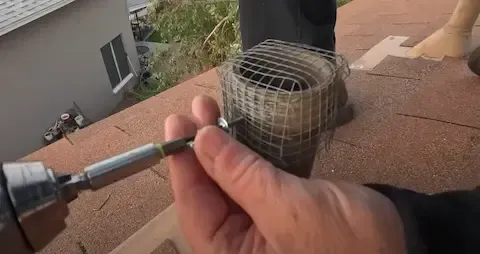
Protect your Beloit home from rodents with expert exclusion services that address Wisconsin's harsh winter intrusion patterns.
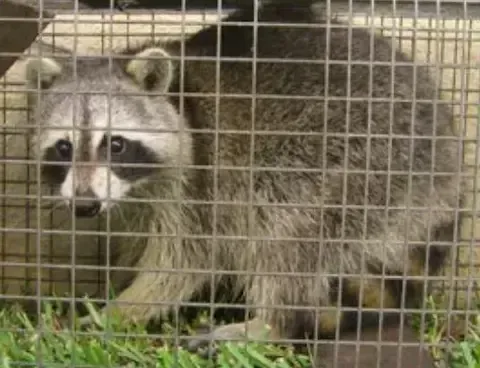
Safe wildlife removal for raccoons, squirrels, bats, and snakes throughout Beloit, including humane dead animal removal services.
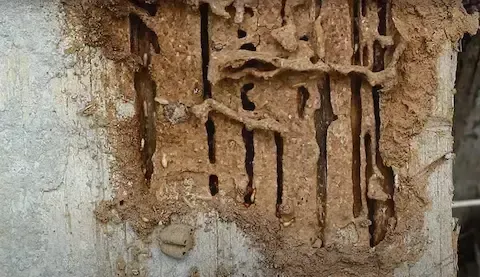
Comprehensive termite inspections and treatments designed for Wisconsin's subterranean termite challenges in Beloit's older homes.
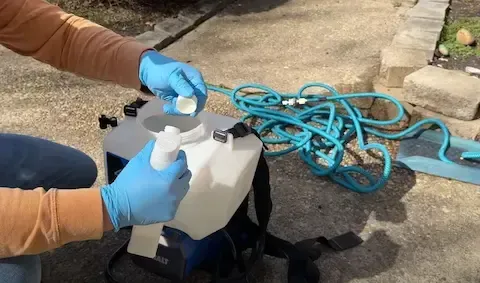
Fast, effective bed bug treatments using proven methods to eliminate infestations in Beloit homes and multi-family properties.
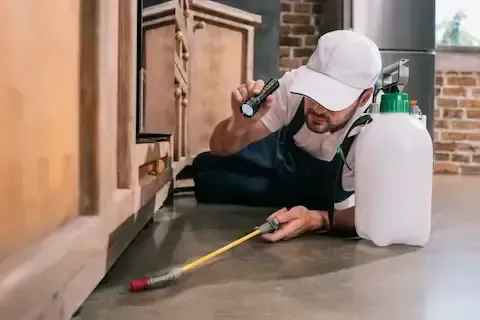
Targeted cockroach and German roach control addressing moisture-prone basements and commercial kitchens throughout Beloit.
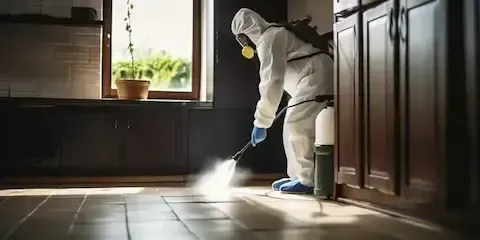
Expert ant and carpenter ant removal protecting Beloit's wood structures from damage caused by southern Wisconsin ant species.
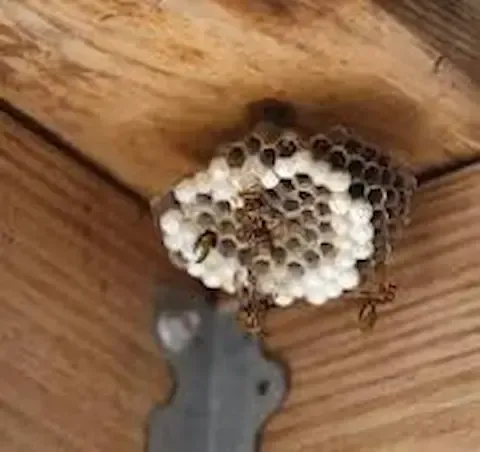
Professional wasp, hornet, and yellow jacket removal keeping Beloit families safe from aggressive stinging insects all season long.
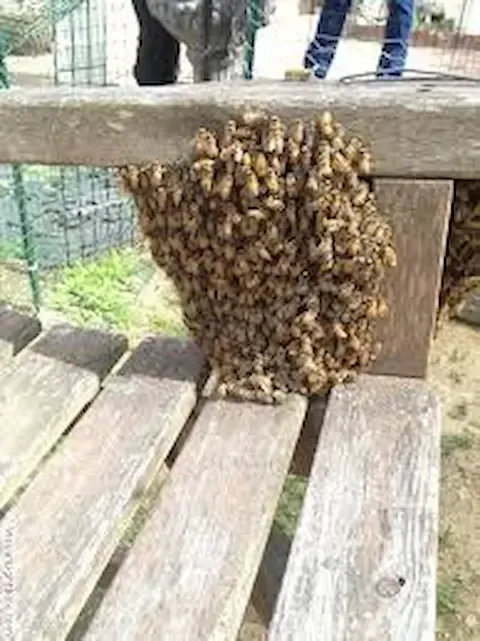
Humane bee removal and live relocation services preserving pollinators while protecting your Beloit property from unwanted colonies.
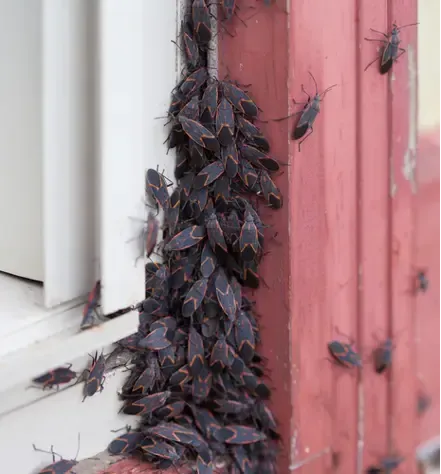
Specialized box elder bug and Asian beetle control preventing seasonal invasions common in Beloit's agricultural surroundings.
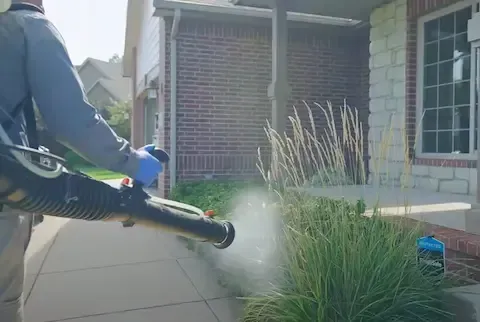
Seasonal mosquito and tick control programs protecting Beloit families from disease-carrying pests near Rock River wetland areas.
Frequently Asked Questions
Pest Control can be complex, and we’re here to provide answers to common questions. Here are some frequently asked questions from our clients.
Frequently Asked Questions about Pest Control
What are the most common pest problems in Beloit, Wisconsin?
Beloit homeowners face seasonal pest pressures driven by Wisconsin's climate extremes and Rock River proximity. Winter brings intense rodent invasions as mice and rats seek heated structures, while carpenter ants emerge each spring causing structural damage in older homes. Summer mosquito populations explode near the river, and fall triggers massive box elder bug and Asian beetle migrations from surrounding agricultural areas. Year-round issues include German roach infestations in multi-family properties, termite activity in moisture-prone foundations, and wildlife conflicts as raccoons and squirrels exploit attic access points in historic downtown homes.
When should I schedule preventive pest control in Beloit?
Optimal prevention timing in Beloit follows Wisconsin's seasonal pest patterns. Schedule rodent exclusion in October before winter drives mice indoors, mosquito and tick programs starting in May before populations peak, and box elder bug prevention in early September before fall invasions begin. Spring carpenter ant treatments in April target emerging colonies, while termite inspections work best in late April through May when swarmers appear. Year-round quarterly programs provide comprehensive protection addressing each season's unique challenges from winter rodents through fall overwintering pest invasions.
Are pest control treatments safe for pets and children?
Modern pest control products used by licensed professionals pose minimal risk when applied according to label directions and safety protocols. We use integrated pest management emphasizing non-chemical controls like exclusion and sanitation, then apply targeted treatments only where necessary. Interior applications typically require 2-4 hours before re-entry, while exterior barrier treatments dry within 30 minutes. We always explain safety precautions specific to your treatment, provide re-entry timing, and offer low-toxicity options for families with concerns about children, pets, or sensitive individuals.
How much does pest control cost in Beloit, WI?
Pest control costs vary based on property size, pest type, and infestation severity. General pest control treatments for average Beloit homes typically range $150-$300 per service, while specialized treatments like bed bug heat treatments ($1,500-$3,000), termite treatments ($1,200-$2,500), or wildlife exclusion ($400-$1,200) reflect the complexity and labor involved. Quarterly service programs offering year-round protection average $100-$150 per visit with seasonal adjustments. We provide free inspections with detailed estimates explaining recommended treatments, expected results, and warranty coverage before any work begins.
Do you offer same-day pest control service in Beloit?
Yes, we offer same-day service for pest emergencies throughout Beloit including active wasp nests threatening outdoor areas, bed bug discoveries requiring immediate attention, rodent infestations with visible activity, and wildlife entries posing safety concerns. Morning calls often receive same-day afternoon appointments based on technician availability and geographic routing. Non-emergency situations like preventive treatments, termite inspections, or seasonal programs typically schedule within 2-3 business days. Call early in the day for best same-day availability, or schedule emergency service for situations requiring immediate professional intervention.
What's included in a pest control inspection?
Comprehensive pest inspections examine all areas where pests commonly harbor or enter including basements, crawlspaces, attics, kitchens, bathrooms, and exterior perimeters. We identify current pest activity through evidence like droppings, damage patterns, or live sightings, locate entry points and conducive conditions supporting infestations, and assess structural vulnerabilities common in Beloit's older homes. Inspections include moisture evaluations for termites and roaches, exclusion assessments for rodents and wildlife, and vegetation reviews for mosquitoes and ticks. You receive detailed findings, treatment recommendations, cost estimates, and prevention advice specific to your property's unique challenges.
Frequently Asked Questions about Roach Control
What attracts German roaches to Beloit homes?
German roaches require three things: food, moisture, and warmth. Kitchens and bathrooms provide all three with crumbs, grease, standing water, and consistent temperatures. Unlike outdoor-originating roaches, Germans live exclusively indoors transported via grocery bags, used appliances, deliveries, or visitors from infested locations. Beloit's multi-family housing creates spread risks as roaches travel through shared walls. Moisture from Rock River humidity and basement dampness attracts American and Oriental roaches to lower levels. Poor sanitation accelerates infestations but even clean homes get roaches through introduction, though cluttered conditions with accessible food and water allow faster population growth. Cardboard boxes provide perfect harborage and egg-laying sites which is why reducing clutter and storage materials helps prevention efforts.
How fast do cockroach populations grow?
German roaches reproduce alarmingly fast with females producing 30-40 eggs per capsule and carrying 4-8 capsules during their one-year lifespan. Each female potentially produces 300+ offspring, with new generations reaching reproductive maturity in just 36 days under ideal conditions. A single pregnant female introduced to your Beloit home can create thousands of roaches within months without intervention. American roaches reproduce slower but live longer (up to 2 years), with females producing 150-200 offspring over their lifetime. This exponential growth explains why small roach sightings quickly become overwhelming infestations requiring aggressive professional treatment. Early intervention dramatically reduces treatment costs and difficulty—call immediately upon seeing even one roach rather than waiting to confirm infestation severity.
Can I eliminate roaches with store-bought products?
Store-bought roach products rarely eliminate established infestations because they lack the potency, application precision, and integrated approach professional treatments provide. Roach bombs and foggers miss hidden harborages in wall voids and appliances where most roaches hide during treatment. Baits available to consumers use older formulas less palatable than professional products, while resistance to many consumer insecticides reduces effectiveness. German roaches especially resist DIY control due to rapid reproduction, hidden harborages, and behavioral adaptation avoiding treated areas. Professional treatments use gel baits in precise placements, growth regulators preventing reproduction, residual insecticides in harborage areas, and follow-up visits targeting newly hatched nymphs. Given roaches' health risks and rapid reproduction, professional treatment provides faster, more reliable elimination than repeated DIY attempts.
What health risks do cockroaches pose?
Cockroaches contaminate food and surfaces with feces, saliva, and shed skins carrying bacteria like salmonella, E. coli, and staphylococcus causing food poisoning and gastroenteritis. Their droppings and body fragments become airborne triggering asthma and allergies especially in children, with studies linking roach allergens to increased asthma severity and emergency room visits. Roaches mechanically transport pathogens on their legs and bodies after crawling through sewers, garbage, and contaminated areas then walking across dishes, counters, and food preparation surfaces. The allergen accumulation in multi-family Beloit properties affects residents even without direct roach contact. Beyond health risks, roaches create psychological stress and social stigma affecting quality of life. These combined factors make prompt professional treatment a health priority not just cosmetic concern.
How long does cockroach treatment take to work?
German roach treatments show visible results within 7-10 days as roaches consume baits and succumb to residual treatments, with population collapse typically by 3-4 weeks. American and Oriental roach infestations in Beloit basements can take 4-8 weeks for complete elimination because their slower reproduction allows a more gradual treatment approach. Most homes see a 90%+ population reduction within the first month when sanitation and moisture protocols are followed alongside professional treatment.
What attracts roaches to basements in Beloit homes?
Basement roaches (typically American or Oriental species) seek moisture from Rock River's elevated water table, foundation seepage, condensation on pipes, and standing water in floor drains or sump pits. Beloit's older homes along Bluff Street and the East Side particularly struggle with basement roach pressure because their fieldstone foundations and aging mortar joints create both moisture entry points and harborage areas. Treatment combines crack-and-crevice insecticide application with moisture management — dehumidifiers, drain maintenance, and foundation sealing.
Do Beloit restaurants need regular cockroach control?
Yes, Wisconsin food safety regulations and health department inspections expect commercial food establishments to maintain documented pest management programs with regular treatment, monitoring, and corrective action records. We provide HACCP-compatible service for Beloit's downtown dining district restaurants and cafes with documented monthly treatments, photo monitoring of conducive conditions, and 24/7 emergency response. Health code violations from roach activity can shut a kitchen down for days and cost thousands in lost revenue.
What's the best cockroach exterminator near me?
The best cockroach exterminator combines accurate species identification, an integrated treatment approach using gel baits and growth regulators, sanitation guidance, and follow-up monitoring rather than spray-only service. Look for a Wisconsin-licensed company with documented restaurant or multi-unit experience, transparent treatment plans, and warranties covering re-treatment. We've eliminated cockroach infestations across Beloit residential and commercial properties for years with a documented success rate above 95% on follow-up treatments.
Can I eliminate roaches with store-bought sprays?
Store-bought roach products rarely eliminate established infestations because they lack the active ingredient potency, application precision, and integrated approach professionals deliver. Over-the-counter foggers and sprays often scatter roaches to new areas, worsening the infestation footprint, and many roach populations have developed resistance to consumer-grade pyrethroids. Professional treatment combines gel baits with growth regulators and crack-and-crevice insecticides reaching harborage areas consumers can't access.
What's the difference between German and American cockroaches?
German roaches are small (about half an inch), light brown with two dark stripes behind the head, and prefer warm humid indoor environments like kitchens and bathrooms — they reproduce extremely fast and are the primary pest cockroach in Beloit homes. American cockroaches are larger (1.5-2 inches), reddish-brown, and prefer dark moist outdoor areas like sewers, basements, and mulch — entering homes seasonally through gaps. Oriental cockroaches are also common in Beloit basements, look glossy black, and prefer the cool damp conditions found in foundation areas and floor drains.
Get Cockroach Treatment Now
What Our Satisfied Clients Have to Say About Beloit Pest Control
We pride ourselves on delivering great results and experiences for each client. Hear directly from home and business owners who’ve trusted us with their Pest Control needs.

After discovering mice in our historic downtown home, the team responded same day, identified entry points we never knew existed, and sealed everything thoroughly. Haven't seen any rodent evidence since the exclusion work was completed.
Sarah M.
The mosquito control program completely changed our summer experience. We can actually enjoy our backyard near the river now without being eaten alive. Monthly treatments are worth every penny for the outdoor living we've gained.
Mike and Jennifer R.
Professional, knowledgeable service from start to finish. They explained the carpenter ant treatment process clearly, addressed all our questions, and followed up to ensure the problem was completely resolved. Highly recommend for any Beloit pest issues.
David L.
The Trusted Pest Control Expert Near You
Ready to hear more about expert services at Beloit Pest Control?
Contact us today to receive a detailed, no-obligation quote.
Having a pest control emergency? Read more about steps to take here.
Beloit, WI & the Surrounding Area
Mon-Sat 8-5pm
